Google Pixel 10A Review: The Illusion of Progress
A Masterclass in Repetition
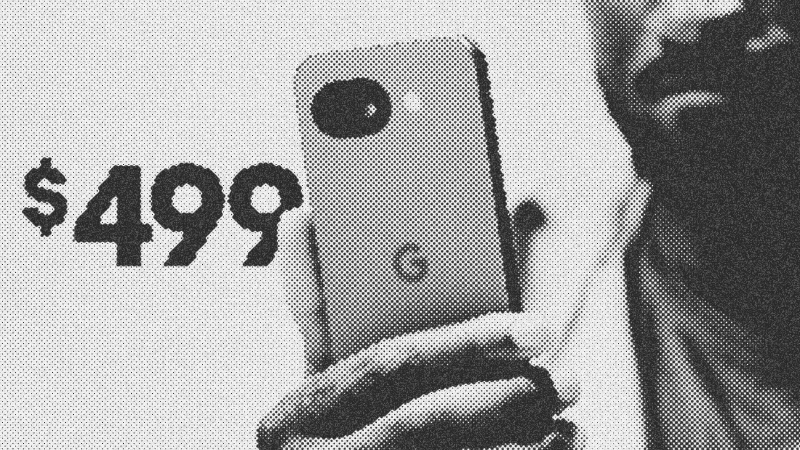
Google just released the Pixel 10a, and if you feel like you have seen this before, it is because you have. This release represents the closest thing to a pure hardware re-release in modern smartphone history. From the aluminum frame to the plastic back, the chassis is an exact mirror of the Pixel 9a. While the "if it ain't broke, don't fix it" philosophy has merit, Google is testing the limits of consumer loyalty by offering a device that feels like an afterthought.
The Short List of Differences
To find the upgrades, you have to squint at the spec sheet. The display remains a 6.3-inch panel, but peak brightness climbs 10% to 30,000 nits. Charging speeds see a minor bump to 30W wired and 10W wireless. Beyond a transition to Gorilla Glass 7i and the inclusion of Satellite SOS in select regions, the hardware is static. Even the camera housing is now truly flush, removing the microscopic bump found on its predecessor.
Stagnation Under the Hood
Perhaps the most disappointing choice is the processor. Google usually equips the A-series with the flagship silicon from its larger siblings. Instead, the 10a retains the aging Tensor G4 rather than the new Tensor G5. Coupled with a base storage of 128GB and 8GB of RAM, the internals feel dated at launch. The missed opportunity to include magnetic charging or a storage bump to 256GB leaves the device feeling trapped in the past.
Software as the Product
Google is clearly pivoting toward a software-defined hardware strategy. The Pixel 10a justifies its existence through exclusive features like Best Take, Camera Coach, and the deeply integrated Quick Share that now bridges the gap with Apple devices. With seven years of guaranteed updates, the value lies in the ecosystem and long-term support rather than the physical components. It is a reliable tool, but it lacks the spark of innovation that usually defines a new generation.
- 17%· companies
- Pixel 10a
- 17%· products
- Apple
- 8%· companies
- Gorilla Glass 7i
- 8%· products
- iPhone 16
- 8%· products
- Other topics
- 42%
Google Pixel 10A Impressions: (Never) Seen This Before
WatchMarques Brownlee // 8:31

MKBHD: Quality Tech Videos | YouTuber | Geek | Consumer Electronics | Tech Head | Internet Personality! [email protected] NYC