The High Cost of Fitting In: Lessons from the Yard
The Trap of Selective Belonging
Many of us spend our lives auditioning for roles we never wanted. We twist our personalities and mute our convictions just to secure a seat at a table that doesn't actually nourish us. Wallace Peeples, widely known as Wallace Peeples, provides a visceral illustration of this through his journey into the prison system. He describes the terrifying moment the gates closed, realizing he had traded his freedom for a life that wasn't even his. The pressure to be 'down' with a specific crowd can lead to a complete loss of self, whether that crowd is on a street corner or in a corporate boardroom.
The Mirror of Authenticity
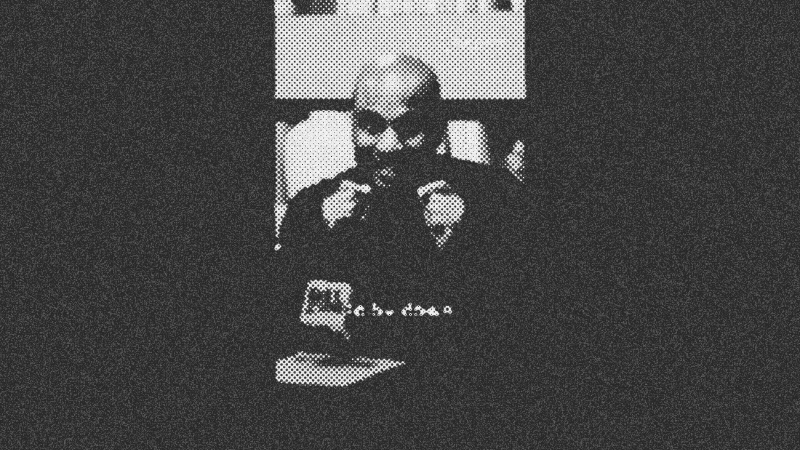
The turning point often comes in a moment of isolation. For Wallace Peeples, it was the realization while locked in a cell as a minor that he was serving time for being someone he wasn't. This is the ultimate betrayal: losing yourself to please people who don't even accept themselves. When you notice you don't feel 'right' in your current path, it is often your intuition screaming that you have strayed from your truth to meet external expectations.
Reclaiming Your Path
To break free, you must audit your influences. Ask why certain groups require you to change who you are to be accepted. True community doesn't demand a performance; it offers a space for your existing reality. You must decide that your own approval is more valuable than the collective nod of a crowd that doesn't truly care about your well-being. Stop asking when the crowd will accept you and start asking when you will finally accept yourself.
Radical Self-Loyalty
This isn't just about avoiding bad company; it is about radical self-loyalty. Choosing yourself is an intense, raw process that requires you to stop performing. When you align your actions with your internal values, you reclaim the power you've been giving away to others. You have 24 hours in a day, just like everyone else. Spend them being the person you actually are, rather than a shadow of someone else's expectations.
- Wallace Peeples
- 60%· people
- Mel Robbins
- 20%· people
- The Let Them Theory
- 20%· books
Stop trying to be someone you're not | Mel Robbins #Shorts
WatchMel Robbins // 2:56

Mel Robbins is the creator and host of The Mel Robbins Podcast, one of the most successful podcasts in the world, and a #1 New York Times bestselling author. She has 40M followers and is known globally for practical tools on mindset and behavior change. The Wall Street Journal calls her a “billion-view podcaster,” and TIME says she gives millions “a reason to believe in themselves.” Her books are published in 63 languages. The Let Them Theory is a #1 bestseller across every major list and a top-selling book of 2025 with more than 8M copies sold. She also wrote The 5 Second Rule and The High 5 Habit, and has seven #1 Audible releases. Her company, 143 Studios, produces award-winning podcasts, books, courses, and events for partners like Starbucks, Ulta Beauty, JP Morgan Chase, LinkedIn, and Audible. She has been honored by TIME 100 Digital Voices, Forbes 50 Over 50, USA Today, Apple Podcasts, Spotify, and The Hollywood Reporter.