The 30/30/3 Protocol: A Science-Backed Nutrition Guide for Lasting Energy and Hormonal Balance
Introduction: Why Traditional Medical Advice Often Fails Women
For decades, medical research has operated on a foundational flaw: the assumption that men and women are biologically identical outside of their reproductive systems. Dr. Amy Shah, a double board-certified physician, highlights a staggering reality—most clinical research, pharmaceutical trials, and nutritional guidelines are based on studies conducted predominantly on white men. This "one-size-fits-all" approach ignores the complex hormonal landscape that dictates how women build muscle, process glucose, and maintain energy. The result is a healthcare system where women are frequently misdiagnosed, particularly regarding symptoms of heart attacks or metabolic dysfunction.
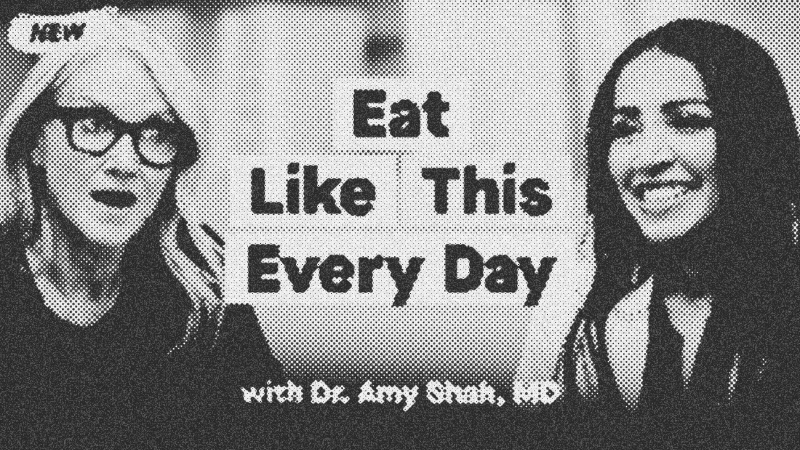
This guide provides a corrective framework specifically designed for the female body. By moving away from the culture of "getting smaller" and focusing on the biology of "getting stronger," the 30/30/3 protocol offers a simple, actionable path to better health. This protocol aims to stabilize your blood sugar, nourish your gut microbiome, and protect your muscle mass—the three pillars of metabolic longevity. Whether you are navigating perimenopause or simply struggling with mid-day energy crashes, these three nutritional targets will help you reclaim your vitality in as little as seven days.
Tools and Materials Needed
To successfully implement the 30/30/3 protocol, you do not need expensive supplements or complicated calorie-tracking apps. Instead, focus on these fundamental resources:
- High-Quality Protein Sources: Stock your kitchen with eggs, egg whites, Greek yogurt, cottage cheese, chicken breast, or lentils. For busy mornings, consider a clean protein shot like Pure Genius.
- Diverse Fiber Sources: Ensure you have access to raspberries, pears, chia seeds, black beans, pistachios, and leafy greens like kale or spinach.
- Living Probiotic Foods: Keep fermented options on hand such as kimchi, sauerkraut, kefir, or apple cider vinegar.
- The Freezer Hack: A functional freezer is essential for storing bread to create resistant starch.
- Label Literacy: A few moments of your time to inspect nutritional labels for hidden sugars and to apply the "Add a Zero" protein hack.
Step-by-Step Instructions: Implementing the 30/30/3 Protocol
Step 1: Secure 30 Grams of Protein in Your First Meal
Protein is the bedrock of this framework. Upon waking, your body is in a catabolic state, and for women over 35, muscle loss accelerates due to declining estrogen. Eating 30 grams of protein first thing in the morning signals your brain that you are satiated and provides the amino acids necessary for neurotransmitter production, specifically dopamine and serotonin.
- Calculate Your Target: While 30 grams is the breakfast minimum, aim for a daily total between 0.8 to 1 gram of protein per pound of body weight if you are focused on building muscle.
- The Breakfast Scramble: Two eggs only provide 12 grams of protein. To hit the target, combine two whole eggs with three egg whites. This provides the vitamins found in the yolk without excessive cholesterol, while amping up the protein count.
- The Quick Fix: If you are short on time, a cup of cottage cheese with a handful of berries provides roughly 30 grams of protein and several grams of fiber simultaneously.
Step 2: Accumulate 30 Grams of Fiber Throughout the Day
Fiber is the primary fuel for your gut microbiome. While most Americans consume only 12 grams daily, hitting 30 grams can improve longevity by as much as 30%. Fiber slows down gastric emptying, preventing the insulin spikes that lead to fat storage and brain fog.
- Optimize Your Fruit: Swap an apple for a pear to double your fiber intake. Eat kiwi with the skin on—the skin contains 50% of the fruit's total fiber.
- The Raspberry Powerhouse: Raspberries are one of the highest-fiber foods available, offering 8 grams per serving. Incorporate them into your morning yogurt or blend them into a smoothie.
- Seed Your Meals: Add two tablespoons of chia seeds to your water or breakfast. This simple addition contributes 10 grams of fiber, covering a third of your daily goal in seconds.
Step 3: Consume Three Probiotic Foods Daily
Probiotics are the "seeds" for your internal garden. While fiber fertilizes the bacteria already present, probiotic foods introduce new, beneficial strains to your gut. This is critical because your gut bacteria produce short-chain fatty acids that lower systemic inflammation.
- Choose Food Over Pills: Many probiotic supplements are destroyed by stomach acid. Fermented foods like kefir or yogurt protect the bacteria in a food matrix, allowing them to reach the colon safely.
- Incorporate Small Servings: You don't need large quantities. A spoonful of kimchi with dinner, a serving of Greek yogurt, and a dash of apple cider vinegar in your salad dressing fulfill the requirement.
- Train Your Gut: If you are lactose intolerant, starting with just one teaspoon of kefir daily can help your gut develop the bacteria needed to process dairy over time.
Tips and Troubleshooting: Navigating Common Pitfalls
The "Add a Zero" Label Hack
Marketing on food packaging is often deceptive. Many products claim to be "high protein" while being loaded with calories and sugar. To see through the hype, look at the protein grams and add a zero to the end. If the resulting number is higher than the total calories, it is a high-impact protein food. For example, if a snack has 10g of protein (making the number 100) but contains 300 calories, it is actually a low-protein, high-calorie food.
Beware of False Health Foods
Certain staples are often mislabeled as protein sources. peanut butter is a healthy fat, but you would need eight tablespoons (and nearly 800 calories) to reach 30 grams of protein. Similarly, oatmeal is a great fiber source but is remarkably low in protein. Always supplement these foods with a complete protein source to hit your targets.
The Frozen Bread Phenomenon
If you enjoy bread, store it in the freezer. Freezing and then toasting bread creates a biological change that turns starch into resistant starch. This substance acts like fiber, feeding your gut bacteria and significantly reducing the blood sugar spike typically associated with white or sprouted breads.
Transitioning Your Palate
If you are currently part of the 95% of the population not getting enough fiber, do not jump to 30 grams overnight. Increase your intake by 5 grams every few days and stay hydrated to avoid digestive discomfort. Your gut microbiome needs time to adapt to the new "fertilizer" you are providing.
Conclusion: Expected Outcomes and Benefits
By following the 30/30/3 protocol, you are doing more than just changing your diet; you are retooling your biological hardware. Within the first three days, the composition of your gut microbiome begins to shift. By day seven, most women report a significant increase in steady energy and a reduction in the intense 3:00 PM sugar cravings that often sabotage healthy intentions.
In the long term, this framework protects your metabolic health during the critical years of perimenopause and beyond. You will find it easier to maintain muscle mass, your skin and hair will benefit from the amino acid influx, and your mood will stabilize as your gut-brain axis begins to function optimally. Health is not about restriction; it is about providing your body with the specific tools it needs to be strong, resilient, and energized.
- 30/30/3 protocol
- 14%· products
- dopamine
- 7%· products
- Dr. Amy Shah
- 7%· people
- Harvard Medical School
- 7%· organizations
- Hormone Havoc
- 7%· books
- Other topics
- 57%
Strong, Fit and Healthy: How to Get Your Best Body & Increase Your Energy in 3 Days
WatchMel Robbins // 1:16:46

Mel Robbins is the creator and host of The Mel Robbins Podcast, one of the most successful podcasts in the world, and a #1 New York Times bestselling author. She has 40M followers and is known globally for practical tools on mindset and behavior change. The Wall Street Journal calls her a “billion-view podcaster,” and TIME says she gives millions “a reason to believe in themselves.” Her books are published in 63 languages. The Let Them Theory is a #1 bestseller across every major list and a top-selling book of 2025 with more than 8M copies sold. She also wrote The 5 Second Rule and The High 5 Habit, and has seven #1 Audible releases. Her company, 143 Studios, produces award-winning podcasts, books, courses, and events for partners like Starbucks, Ulta Beauty, JP Morgan Chase, LinkedIn, and Audible. She has been honored by TIME 100 Digital Voices, Forbes 50 Over 50, USA Today, Apple Podcasts, Spotify, and The Hollywood Reporter.