Dr. Brennan Spiegel links back pain to gut issues through tensegrity
The invisible architecture of the gut
Many patients viewing their health through a fragmented lens fail to see how a lower back ache correlates with bloating or digestive distress. Brennan Spiegel, a leading gastroenterologist, suggests that we must stop viewing the body as a collection of isolated organs. Instead, we should see it as a unified structural system. When the back lacks the necessary support and strength, it doesn't just affect posture; it physically compresses the abdominal cavity. This mechanical pressure can exacerbate or even trigger symptoms of Irritable Bowel Syndrome (IBS), proving that the "seams" of the body—where different systems meet—are often where disease truly resides.
Understanding the principle of tensegrity
At the heart of this connection is the concept of tensegrity, or tensile integrity. Imagine a tree that sways in a violent storm but never snaps. It survives because its structure distributes tension and compression across its entire frame. Our bodies operate on this exact principle. We are designed to manage the constant forces of gravity and movement. If one part of this biological architecture becomes weak or rigid, the entire system compensates. A weak back forces the gut to absorb stress it wasn't meant to handle, leading to a cascade of inflammatory and functional issues.
Exercise as the primary prescription
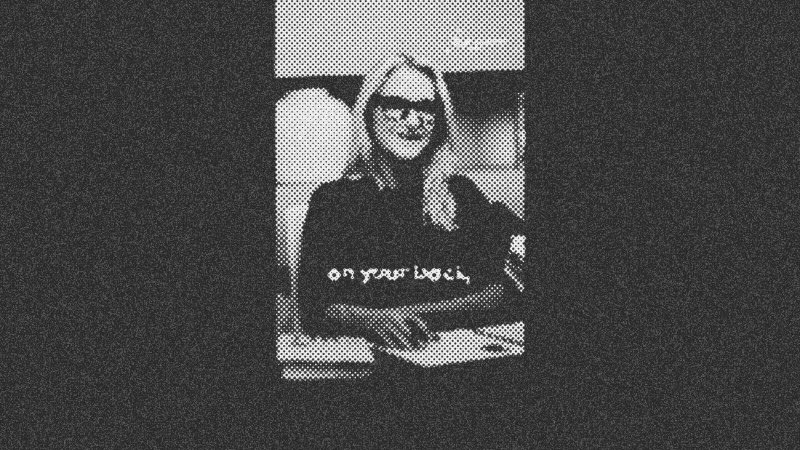
While many look for relief in a pill bottle, Brennan Spiegel argues that movement is actually the most potent tool for healing the gut. Clinical data consistently points to exercise as the most effective therapy for Irritable Bowel Syndrome. By engaging in activities like yoga, swimming, or strength training, patients reinforce their structural integrity. These movements do more than burn calories; they create space for the digestive system to function without compression, effectively treating the gut by strengthening the back.
Reclaiming structural health
Recognizing that your back pain and gut issues are two sides of the same coin is the first step toward resilience. It shifts the focus from managing symptoms to building a stronger foundation. When we prioritize our physical structure through intentional movement, we aren't just fixing a sore back; we are providing our digestive system with the structural freedom it needs to thrive.
- Brennan Spiegel
- 18%· people
- Irritable Bowel Syndrome
- 18%· diseases
- back pain
- 9%· diseases
- exercise
- 9%· lifestyle
- Mel Robbins
- 9%· people
- Other topics
- 36%
The surprising connection between your gut and back pain | Mel Robbins #Shorts
WatchMel Robbins // 1:45

Mel Robbins is the creator and host of The Mel Robbins Podcast, one of the most successful podcasts in the world, and a #1 New York Times bestselling author. She has 40M followers and is known globally for practical tools on mindset and behavior change. The Wall Street Journal calls her a “billion-view podcaster,” and TIME says she gives millions “a reason to believe in themselves.” Her books are published in 63 languages. The Let Them Theory is a #1 bestseller across every major list and a top-selling book of 2025 with more than 8M copies sold. She also wrote The 5 Second Rule and The High 5 Habit, and has seven #1 Audible releases. Her company, 143 Studios, produces award-winning podcasts, books, courses, and events for partners like Starbucks, Ulta Beauty, JP Morgan Chase, LinkedIn, and Audible. She has been honored by TIME 100 Digital Voices, Forbes 50 Over 50, USA Today, Apple Podcasts, Spotify, and The Hollywood Reporter.