The Weight of Unlived Dreams: Reclaiming Your Creative Self
The Burden of Proximity
We often mistake our children's potential for our second chance. When we abandon a passion in middle school—whether it's the piano or the paintbrush—that desire doesn't just vanish; it goes into storage. Years later, we see our kids and try to outsource our regret by signing them up for the very lessons we quit. This creates a heavy atmosphere. Children are incredibly intuitive. They don't just feel the pressure of the upcoming recital; they feel the crushing weight of their parents' unmet expectations. You aren't just asking them to play a scale; you are asking them to heal a wound they didn't cause.
The Anatomy of Projective Regret
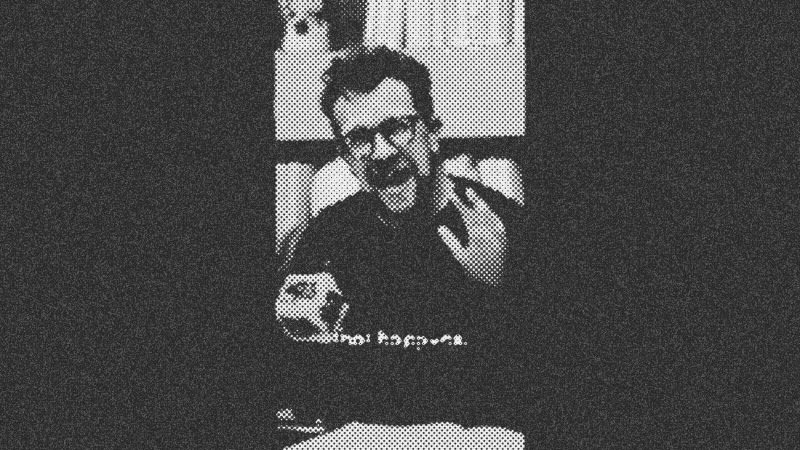
This cycle happens because we believe the "artist" within us died decades ago. Phil Cook suggests that parents frequently surrender their own creative spark to focus entirely on their children. You might tell yourself a story that you aren't "good enough" or that it's too late to start over. Mel Robbins admits to this exact behavior, forcing her children into guitar lessons because she harbored a secret desire to play. This projection is actually an unresolved issue within the adult, not a developmental need of the child.
Reclaiming the Lost Narrative
If you feel a stir of envy when you see a banjo or hear a specific song, that is evidence of life, not a ghost. Healing this on a broad scale requires you to pick up the instrument yourself. Don't worry about being "good." The goal isn't mastery; it's reconnection. When you lean into the thing you blocked, you stop using your children as proxies for your own growth.
The Power of Parental Witnessing
Your kids need to see you struggle, practice, and play. When they witness you reconnecting with a lost part of yourself, they learn the most valuable lesson of all: life is an ongoing journey. It doesn't end when a specific chapter closes. By taking the lessons yourself, you give your children permission to follow their own paths, free from the shadow of your unfulfilled dreams. You show them that we always have a choice to begin again.
- Mel Robbins
- 25%· people
- Pablo Picasso
- 25%· people
- Phil Cook
- 25%· people
- The Let Them Theory
- 25%· books
Stop Making Your Kids Chase Dreams You Gave Up On | Mel Robbins #Shorts
WatchMel Robbins // 2:14

Mel Robbins is the creator and host of The Mel Robbins Podcast, one of the most successful podcasts in the world, and a #1 New York Times bestselling author. She has 40M followers and is known globally for practical tools on mindset and behavior change. The Wall Street Journal calls her a “billion-view podcaster,” and TIME says she gives millions “a reason to believe in themselves.” Her books are published in 63 languages. The Let Them Theory is a #1 bestseller across every major list and a top-selling book of 2025 with more than 8M copies sold. She also wrote The 5 Second Rule and The High 5 Habit, and has seven #1 Audible releases. Her company, 143 Studios, produces award-winning podcasts, books, courses, and events for partners like Starbucks, Ulta Beauty, JP Morgan Chase, LinkedIn, and Audible. She has been honored by TIME 100 Digital Voices, Forbes 50 Over 50, USA Today, Apple Podcasts, Spotify, and The Hollywood Reporter.