James Sexton: disconnection is the number one cause of divorce
The Anatomy of Relational Decay
We often view the collapse of a marriage as a singular, explosive event—an affair discovered, a bank account drained, or a monumental betrayal. However, James Sexton, a veteran divorce attorney who has spent twenty-five years witnessing the unraveling of domestic life, suggests a more insidious reality. He argues that most relationships do not end with a bang but with a slow, agonizing whimper. He compares this process to a flood: no single raindrop is responsible for the deluge, but the flood is nothing but little raindrops. This perspective shifts our focus from the catastrophic to the mundane, urging us to examine the quiet moments of disconnection that accumulate over time.
Disconnection is the silent killer of intimacy. It begins when we stop seeing our partner as a dynamic, evolving human being and start treating them as a fixture in our environment—the "water" we swim in but no longer notice. When we cease to be curious about the person across the table, we inadvertently invite a slow erosion of the bond that once felt unbreakable. This erosion is often masked by the comforts of routine; we assume that because we share a bed, a mortgage, and a history, we are inherently connected. In truth, connection is a perishable commodity that requires constant, intentional renewal.
The Contradiction of Change
Most couples enter marriage clutching two contradictory fallacies. First, they believe that marriage will finally change the parts of their partner they find frustrating—the messy habits, the financial irresponsibility, or the emotional distance. Second, they believe that marriage will freeze the parts they love, creating a permanent sanctuary where the passion and companionship of the early days will never fade. Both assumptions are recipes for resentment. As a coach, I see this frequently: the shock that occurs when a partner continues to be exactly who they always were, or the grief that arises when they inevitably evolve into someone new.
We must accept that marriage is not a contract that halts time; it is a commitment to navigate change together. James Sexton points out that our bodies, goals, and societal pressures are in constant flux. Therefore, a healthy relationship requires a "maintenance mindset" similar to physical fitness. It is far easier to maintain your health through daily discipline than it is to let it collapse and attempt a grueling recovery. The same applies to the heart. If you aren't actively watering the plant, it is dying—even if it still looks green from a distance.
Ten Minutes to Save a Life
One of the most powerful interventions Sexton proposes is deceptively simple: dedicated time for specific, non-defensive communication. He suggests spending just ten minutes a week asking three targeted questions. First, "What did I do this week that made you feel loved?" Second, "Where did I miss the mark?" And third, "What did I do that turned you on?" These questions strip away the abstract "we need to talk" and replace it with actionable data. They force us to move beyond assumptions and learn the current, lived reality of our partner.
I find the second question particularly vital for resilience. Asking where you missed the mark requires a level of emotional maturity that many avoid because it feels vulnerable. Yet, hearing a partner’s honest disappointment in a non-combative setting allows for repair before the resentment hardens into contempt. When we avoid these conversations, we don't avoid the conflict; we simply defer it, allowing it to gather interest until the debt becomes unpayable. Connection is not found in the absence of friction, but in the willingness to address it with grace and curiosity.
The Social Media Infidelity Machine
In his book, How to Stay in Love, Sexton identifies social media as the single greatest threat to modern monogamy. He describes it as an "infidelity generating machine" because it provides the perfect storm of accessibility, privacy, and plausible deniability. Unlike a physical establishment like a strip club, which carries a clear social stigma, social media allows for "innocuous" entry points. You start by following a former classmate or a fellow parent from soccer practice under the guise of staying informed, but the platform's architecture encourages private, one-on-one digital intimacy through direct messages.
Social media also creates a dangerous comparison trap. We compare our "gag reel"—the messy, boring, frustrating parts of our daily lives—to other people's "greatest hits." We see the performative versions of others and wonder why our own partner seems so dull in comparison. This creates a psychological opening. When we feel unseen or unappreciated at home, the digital validation of a "like" or a comment from a stranger can feel like a lifeline. To protect a relationship, we must be ruthlessly honest with ourselves about our digital habits. If you wouldn't engage in a specific online interaction while your spouse was standing over your shoulder, you are already drifting into dangerous territory.
The Weaponization of Intimacy
Productive arguing is a skill that few couples master, yet it is essential for long-term survival. Sexton warns against the "low blow"—the moment in a fight when we reach for the "nuclear codes" of the relationship. Because we love our partners, we possess an intimate map of their deepest insecurities, their past traumas, and their most vulnerable soft spots. In a moment of anger, there is a profound temptation to use this knowledge as ammunition to "win" the argument. However, once that weapon is fired, the damage is often irreparable.
Intimacy is not just about physical closeness; it is the ability to be your honest, authentic self with another person. When we weaponize our partner's vulnerabilities, we signal that it is no longer safe for them to be authentic. This leads to a permanent closing of the heart. To avoid this, Sexton recommends establishing "fair fight" rules during times of peace. This includes having an "eject button"—a safe word or phrase that signals the conversation has become toxic and needs to be deferred for twenty-four hours. This allows the nervous system to settle and ensures that the goal of the discussion remains resolution rather than destruction.
The Power of the Written Word
When verbal communication stalls, Sexton advocates for the return to the personal letter. Writing forces us to organize our thoughts and move beyond the knee-jerk reactivity of a face-to-face confrontation. A letter provides a "lubricant for communication," allowing the recipient to process the information without the immediate pressure to defend themselves. Whether it is a list of five things you appreciate or a candid expression of a craving that isn't being met, the written word carries a weight that spoken language often lacks.
Even more profound is Sexton’s exercise of writing a letter to oneself from an imagined version of the partner. This practice helps identify what we actually need to hear to heal. It reveals the gaps in our own self-awareness and highlights the stories we are telling ourselves. If you cannot think of ten things you love about the person you chose to marry, it is time for a deep, perhaps painful, audit of the relationship. Success in marriage isn't about avoiding the end; it's about ensuring that as long as you are in it, you are actively participating in its growth.
Choosing to Pay Attention
Ultimately, the preservation of a marriage boils down to two concepts: paying attention and recognizing your partner as your "favorite person." We lose the plot when we stop paying attention to the small choices that create a downward spiral. Conversely, we can reverse that spiral through a succession of small, positive actions—a thoughtful text in the middle of the day, a note left on the counter, or a shared song that triggers a positive memory. These acts cost nothing but provide the "preventative maintenance" that keeps the engine running.
To see your partner as your favorite person is a choice you make every day. It means choosing to view their flaws through a lens of grace rather than judgment. It means acknowledging that while there are eight billion people in the world, you are choosing this one, again and again. Love is a verb, an active engagement with another soul. As James Sexton beautifully concludes, we are all losing everything all the time; our time is finite. This is what makes our connections precious. By paying attention and acting with intentional love, we turn the lottery of marriage into a legacy of shared meaning.
- James Sexton
- 20%· people
- James Sexton
- 20%· people
- Chris
- 7%· people
- Communication
- 7%· concepts
- David Foster Wallace
- 7%· people
- Other topics
- 40%
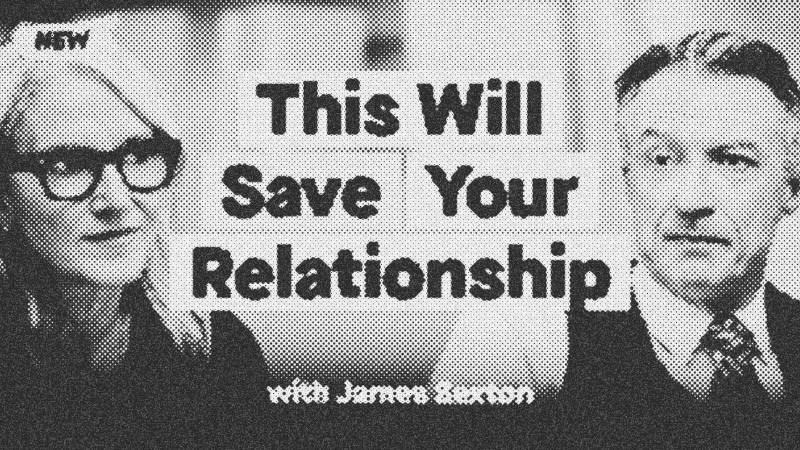
The Most Eye-Opening Conversation on Marriage & Love You Will Ever Hear (From #1 Divorce Lawyer)
WatchMel Robbins // 1:32:14

Mel Robbins is the creator and host of The Mel Robbins Podcast, one of the most successful podcasts in the world, and a #1 New York Times bestselling author. She has 40M followers and is known globally for practical tools on mindset and behavior change. The Wall Street Journal calls her a “billion-view podcaster,” and TIME says she gives millions “a reason to believe in themselves.” Her books are published in 63 languages. The Let Them Theory is a #1 bestseller across every major list and a top-selling book of 2025 with more than 8M copies sold. She also wrote The 5 Second Rule and The High 5 Habit, and has seven #1 Audible releases. Her company, 143 Studios, produces award-winning podcasts, books, courses, and events for partners like Starbucks, Ulta Beauty, JP Morgan Chase, LinkedIn, and Audible. She has been honored by TIME 100 Digital Voices, Forbes 50 Over 50, USA Today, Apple Podcasts, Spotify, and The Hollywood Reporter.