Beyond the Male Standard: Why Women Are Not Small Men
The Fundamental Biological Distinction
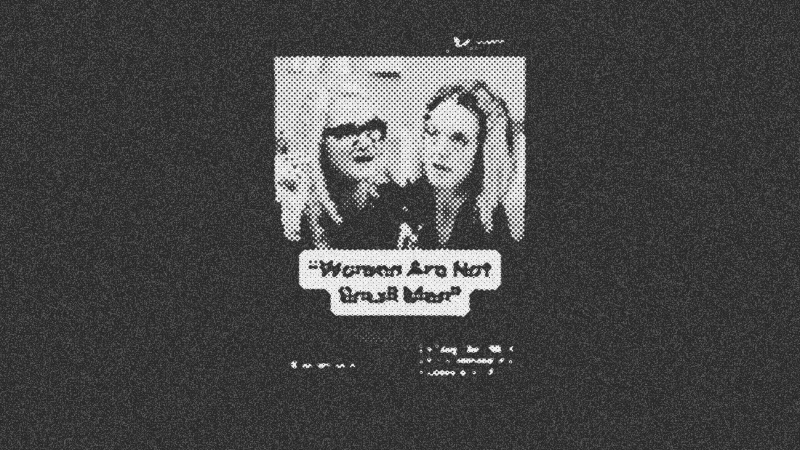
For decades, the medical and fitness industries operated under a flawed assumption: that physiological data derived from men could be scaled down to fit women. Dr. Stacy Sims, a world-renowned exercise physiologist, challenges this with a simple mantra: ‘Women are not small men.’ From the womb through every stage of life, female biology presents unique requirements. Everything from hormonal fluctuations to metabolic responses differs fundamentally, yet most guidelines for exercise and mental health ignore these nuances in favor of a male-centric baseline.
The Trap of Bro-Science Generalization
Social media and fitness trends frequently push ‘bro-science’—advice designed by men, for men. When these protocols are generalized to women, it creates a massive disservice to female health. Podcast host Mel Robbins notes that women often feel pressured to follow these masculine-oriented trends, only to find them ineffective or even harmful. This occurs because the data driving these trends fails to account for female-specific phases of life, such as the menstrual cycle, pregnancy, or menopause.
The Shrink and Pink Phenomenon
In the commercial sector, the industry often relies on a lazy marketing tactic known as ‘shrink and pink.’ Dr. Stacy Sims explains that companies frequently take a product designed for a man—like a running shoe or a bicycle—make it slightly smaller, and color it pink. This cosmetic change does nothing to address the actual anatomical and physiological differences between the sexes. It treats female biology as a secondary consideration rather than a distinct system requiring specific engineering.
Taking an Objective Pause
To combat this systemic bias, women must adopt a critical eye toward health advice. When a new fitness trend or medical guideline surfaces, the first step is to question its origin. Taking a pause allows women to evaluate whether a recommendation is actually appropriate for their current phase of life. Moving toward an objective view of health ensures that interventions are truly beneficial rather than just a repurposed male standard.
- Dr. Stacy Sims
- 50%· people
- Mel Robbins
- 25%· people
- The Mel Robbins Podcast
- 25%· tv shows
Women are not small men | Mel Robbins #Shorts
WatchMel Robbins // 2:17

Mel Robbins is the creator and host of The Mel Robbins Podcast, one of the most successful podcasts in the world, and a #1 New York Times bestselling author. She has 40M followers and is known globally for practical tools on mindset and behavior change. The Wall Street Journal calls her a “billion-view podcaster,” and TIME says she gives millions “a reason to believe in themselves.” Her books are published in 63 languages. The Let Them Theory is a #1 bestseller across every major list and a top-selling book of 2025 with more than 8M copies sold. She also wrote The 5 Second Rule and The High 5 Habit, and has seven #1 Audible releases. Her company, 143 Studios, produces award-winning podcasts, books, courses, and events for partners like Starbucks, Ulta Beauty, JP Morgan Chase, LinkedIn, and Audible. She has been honored by TIME 100 Digital Voices, Forbes 50 Over 50, USA Today, Apple Podcasts, Spotify, and The Hollywood Reporter.