The Full Body Reset: A Surgeon’s Proven Protocol to Reclaim Strength and Spinal Health
Introduction: Your Path to a Functional Reset
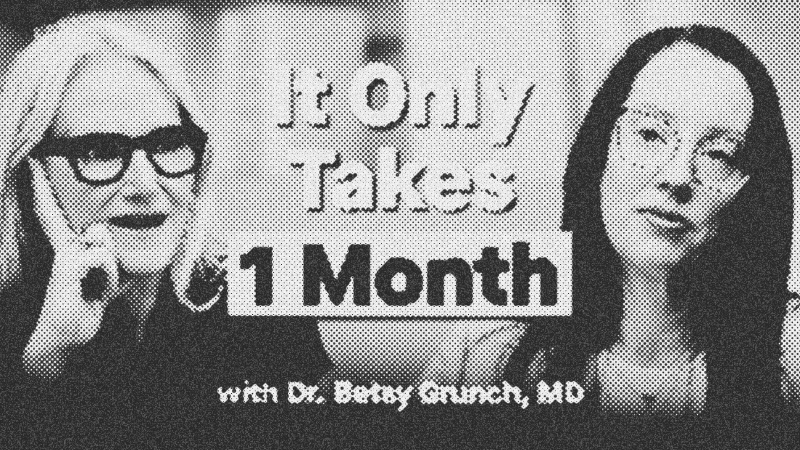
Most people view physical decline as a mandatory tax paid for the privilege of aging. We accept the stiff back in the morning, the phantom twinges when we reach for a grocery bag, and the gradual loss of mobility as inevitable milestones. However, Betsy Grunch, a world-renowned neurosurgeon and spine specialist, argues that our bodies are actually designed for success and healing. This guide provides a comprehensive protocol to stop the cycle of degeneration and take control of your physical health. By the end of this exploration, you will understand how to align your daily habits—from how you sleep to how you lift—with the biological needs of your spine and muscular system.
Tools and Materials Needed
To execute this reset, you do not need an expensive gym membership or specialized medical equipment. You only need the following:
- A firm pillow: To maintain neutral neck alignment.
- A secondary pillow: For knee support while sleeping.
- A food log or tracking app: To create awareness of nutritional intake.
- A standing desk or desk riser: To combat the effects of a sedentary lifestyle.
- A clear floor space: For core-strengthening exercises like the Glute Bridge and Bird Dog.
Section 1: The Four Pillars of Spinal Preservation
To fix a problem, you must first stop causing the damage. Betsy Grunch identifies four specific behavioral traps that accelerate degenerative disc disease and chronic pain. Addressing these is the non-negotiable first step in any body reset.
1. Eliminate Nicotine Consumption Nicotine is a potent vasoconstrictor. When you ingest it—whether through cigarettes, vapes, or pouches—your blood vessels shrink. This triggers a sympathetic "fight or flight" response that starves your spine of essential nutrients and oxygen. Because spinal discs already have a limited blood supply, this constriction prevents the body from healing small micro-tears and injuries. Over time, this leads to accelerated degeneration that no surgery can fully reverse. If you want a healthy back, you must remove nicotine from your life immediately.
2. Combat Sedentary Atrophy Your spine is a structural foundation supported by a complex network of muscles, including your abs, back, pelvic floor, and diaphragm. When you sit for ten hours a day, these muscles effectively go to sleep. They atrophy, leaving your bones and ligaments to bear the entire load of your body weight. You must integrate movement into your day by standing or walking every 30 to 60 minutes to keep your joints lubricated and your core engaged.
3. Master Proper Lifting Mechanics We often injure ourselves during mundane tasks, like picking up an Amazon box. The rule is simple: never lift with your back. Always bend your knees and use your legs—the strongest muscles in your body—to drive the movement. Even lightweight objects can cause a disc to herniate if your form is compromised and your spine is out of neutral alignment.
4. Adopt Neutral Sleeping Postures You spend a third of your life in bed. If you are a stomach sleeper, you are likely putting your spine in a stressed, non-neutral position for eight hours a night. The goal is to maintain the natural curves of your spine. If you sleep on your back, place a pillow under your knees to take the stress off your lower back. If you are a side sleeper, place a pillow between your knees to keep your pelvis level and your hips aligned. Support your neck with a firm pillow that fills the gap between your shoulder and head, ensuring your neck isn't at a diagonal angle.
Section 2: Reversing Tech Neck and Postural Decline
In our digital era, "Tech Neck" has become a silent epidemic. The human head weighs between 10 and 15 pounds when held upright. However, as you lean forward to look at a smartphone, the physics of leverage increase that force dramatically. At a 60-degree angle, your neck is supporting the equivalent of 60 pounds of pressure.
This chronic strain causes muscle weakness, tension headaches, and early-onset arthritis. To reverse this, you must bring your environment to your eye level. Raise your computer monitor using a box or stand. When using your phone, lift the device to your face rather than dropping your chin to your chest. These micro-adjustments reduce the workload on your cervical spine and can eliminate chronic headaches and migraines that stem from neck tension.
Section 3: The Nutrition-Muscle Connection
Exercise is a vital component of health, but Betsy Grunch notes that 80% of weight loss and physical transformation happens in the kitchen. Excess weight, particularly abdominal fat, pulls the spine forward and creates constant mechanical stress on the lower back joints.
To support spinal health, focus on an anti-inflammatory diet. This means reducing sugar, processed foods, and high-fructose corn syrup, which propagate pain signals in the body. Instead, prioritize protein. Your muscles are the armor for your spine; without adequate protein—roughly 0.8 to 1 gram per pound of body weight—your body will break down its own muscle tissue to function. Supplement this with antioxidants like blueberries and leafy greens to keep systemic inflammation at a minimum.
Section 4: Strengthening the Core Armor
You do not need to lift massive weights to protect your back. You need a functional core. Two specific exercises are the gold standard for spinal support:
- The Glute Bridge: Lying on your back with knees bent, thrust your hips toward the ceiling. This activates the glutes—the "juicy" muscles that provide the primary support for your lower back.
- The Bird Dog: From a hands-and-knees position, extend the opposite arm and leg simultaneously while keeping your back flat. This builds cross-body stability and forces the deep stabilizer muscles of the spine to fire.
If the gym feels intimidating, remember that everyone starts as a novice. Walk into the facility the first day just to take a tour. Take photos of the machines, go home, and research how to use them. This removes the "performance anxiety" and allows you to return with a strategic plan.
Tips & Troubleshooting
- Listen to Red Flags: While most back pain can be managed at home with anti-inflammatories and rest, certain symptoms require immediate medical attention. If you experience bowel or bladder dysfunction, numbness in the groin area, or sudden weakness in a limb, seek emergency care.
- Don't Settle for Gaslighting: If a doctor dismisses your pain because you are "too young" or "just stressed," find a new provider. You are the driver of your body, and you deserve a healthcare partner who listens to your symptoms.
- Progressive Consistency: You will have days where you eat poorly or skip your walk. Do not let a single failure derail the protocol. Re-engage with your food log and movement goals the very next morning.
Conclusion: The Expected Outcome
By implementing this reset, you are moving from being a passenger in your body to being the driver. The benefits extend far beyond weight loss or reduced pain. You are building a body that can sustain its own weight, protect its own nerves, and remain functional well into your 70s and 80s. A healthy spine is the conduit for a healthy life; by protecting it now, you ensure your future self remains mobile, strong, and capable of finding joy in movement.
- Betsy Grunch
- 38%· people
- Bird Dog
- 13%· physical exercises
- Glute Bridge
- 13%· physical exercises
- Jason Fung
- 13%· people
- Mel Robbins
- 13%· people
- The Obesity Code
- 13%· books
Your Body Reset: The Proven Protocol to Get Stronger, Lose Fat, & Take Control of Your Health
WatchMel Robbins // 1:20:53

Mel Robbins is the creator and host of The Mel Robbins Podcast, one of the most successful podcasts in the world, and a #1 New York Times bestselling author. She has 40M followers and is known globally for practical tools on mindset and behavior change. The Wall Street Journal calls her a “billion-view podcaster,” and TIME says she gives millions “a reason to believe in themselves.” Her books are published in 63 languages. The Let Them Theory is a #1 bestseller across every major list and a top-selling book of 2025 with more than 8M copies sold. She also wrote The 5 Second Rule and The High 5 Habit, and has seven #1 Audible releases. Her company, 143 Studios, produces award-winning podcasts, books, courses, and events for partners like Starbucks, Ulta Beauty, JP Morgan Chase, LinkedIn, and Audible. She has been honored by TIME 100 Digital Voices, Forbes 50 Over 50, USA Today, Apple Podcasts, Spotify, and The Hollywood Reporter.