Mel Robbins reveals three habits that transform big goals into reality
Preparation fuels genuine confidence
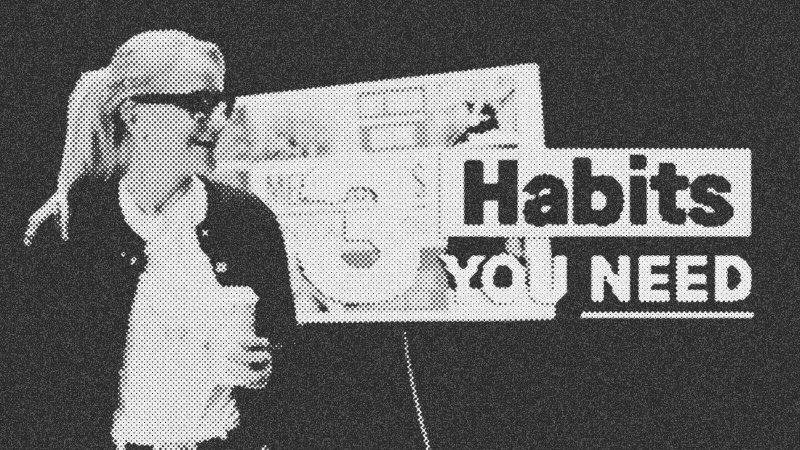
When we face a daunting project, our instinct is to wait for confidence before we begin. Mel Robbins flips this script during her Let Them Tour 2026 rehearsals. She demonstrates that preparation is the prerequisite for self-assurance, not the result of it. Showing up to do the hard work in advance provides a psychological safety net. When you have done the repetition, you aren't guessing; you're executing. This first habit requires a shift from passive hoping to active, gritty preparation.
Feedback is a tool for expansion, not an attack
Most people shy away from criticism because it feels like a personal indictment. However, excellence requires a "thick skin" and the willingness to throw your ideas into what Robbins calls the "soup of feedback." If you aren't stretching your ideas, you aren't expanding your capacity. The creative process is an iterative cycle of building and tearing apart. To achieve mastery, you must ask others, "What did I miss?" without getting defensive. This habit turns feedback into a rubber band that pulls you toward your highest potential.
Mastery demands focus on the little things
Big dreams don't happen in a vacuum; they must fit into the messy reality of daily life. The third habit involves managing the small details that usually create mental clutter. Robbins advocates for using tools like Microsoft Copilot to act as a digital assistant. By dumping ideas and notes into a central hub, you prevent the cognitive load of "post-it note syndrome." Staying organized on the micro-level is what allows you to stay focused on the macro-mission.
Changing the energy to break through stalls
When momentum dies and the room feels heavy, the answer isn't always more thinking—it's movement. During a nine-hour rehearsal, Robbins literally forces her team to do jumping jacks to shift their physiological state. We often get trapped in our heads, leading to friction and negativity. By returning to the body, you clear the mental fog and rediscover the fun necessary for high-level creativity. Growth is a process of sculpting wet clay; it’s messy, it requires 33 versions of a single video, but that relentless refinement is what excellence demands.
- 5 Second Rule
- 17%· products
- Boston
- 17%· places
- Let Them Tour 2026
- 17%· products
- Mel Robbins
- 17%· people
- Microsoft Copilot
- 17%· products
- The Wang Theater
- 17%· places
3 Simple Habits That Will Make You Happier, Stronger, & More Confident
WatchMel Robbins // 8:44

Mel Robbins is the creator and host of The Mel Robbins Podcast, one of the most successful podcasts in the world, and a #1 New York Times bestselling author. She has 40M followers and is known globally for practical tools on mindset and behavior change. The Wall Street Journal calls her a “billion-view podcaster,” and TIME says she gives millions “a reason to believe in themselves.” Her books are published in 63 languages. The Let Them Theory is a #1 bestseller across every major list and a top-selling book of 2025 with more than 8M copies sold. She also wrote The 5 Second Rule and The High 5 Habit, and has seven #1 Audible releases. Her company, 143 Studios, produces award-winning podcasts, books, courses, and events for partners like Starbucks, Ulta Beauty, JP Morgan Chase, LinkedIn, and Audible. She has been honored by TIME 100 Digital Voices, Forbes 50 Over 50, USA Today, Apple Podcasts, Spotify, and The Hollywood Reporter.