The Mirror Fallacy: Why Constant Self-Observation Is Breaking Our Confidence
The Trap of Perpetual Visibility
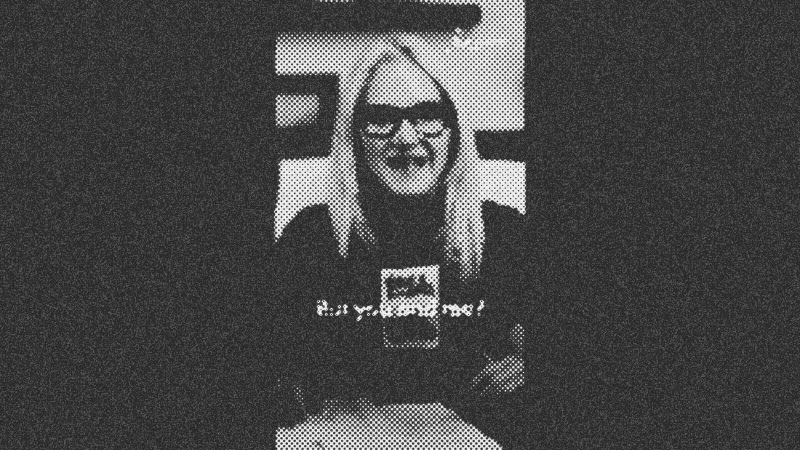
Modern life has turned every screen into a digital looking glass. Whether you are leading a Zoom meeting or scrolling through social media, you are likely staring at your own face for hours each day. This phenomenon, highlighted by Mel Robbins via a viral concept shared by creator Avi, is known as the mirror fallacy. We have entered an era of unprecedented self-surveillance that our biology simply cannot handle.
Biology vs. Technology
Evolutionary biology suggests we were never designed to see ourselves this much. Our ancestors might have caught a fleeting glimpse of their reflection in a still pond, but their primary focus remained outward. Human eyes are meant to scan the horizon, track movement, and read the expressions of others to build community. When we spend our days analyzing our own pores and asymmetrical features on a front-facing camera, we are forcing our brains to perform a task they were never meant to master.
Redirecting the Judgment Lens
Humans possess a natural judging mechanism intended for social navigation. This instinct helps us determine who to trust and how to connect with our tribe. However, because we are now constantly in our own line of sight, we have turned that critical lens inward. Instead of using our discernment to evaluate the world, we use it to dissect our own appearance. This creates a loop of self-criticism that feels impossible to escape because the "problem" is actually just our biological machinery misfiring.
Breaking the Surveillance Cycle
To reclaim your peace, you must reduce the frequency of self-observation. Close the self-view window during video calls and put the phone down when you feel the urge to check your reflection. Your face is a tool for communication, not a project that requires constant maintenance. By shifting your gaze back to the people and environment around you, you allow your brain to return to its natural state: connecting with the world rather than obsessing over the mirror.
- Avi
- 17%· people
- FaceTime
- 17%· products
- Mel Robbins
- 17%· people
- Mirror Fallacy
- 17%· concepts
- TikTok
- 17%· products
- Zoom
- 17%· products
You Were Never Meant to See Yourself This Much | Mel Robbins #Shorts
WatchMel Robbins // 1:26

Mel Robbins is the creator and host of The Mel Robbins Podcast, one of the most successful podcasts in the world, and a #1 New York Times bestselling author. She has 40M followers and is known globally for practical tools on mindset and behavior change. The Wall Street Journal calls her a “billion-view podcaster,” and TIME says she gives millions “a reason to believe in themselves.” Her books are published in 63 languages. The Let Them Theory is a #1 bestseller across every major list and a top-selling book of 2025 with more than 8M copies sold. She also wrote The 5 Second Rule and The High 5 Habit, and has seven #1 Audible releases. Her company, 143 Studios, produces award-winning podcasts, books, courses, and events for partners like Starbucks, Ulta Beauty, JP Morgan Chase, LinkedIn, and Audible. She has been honored by TIME 100 Digital Voices, Forbes 50 Over 50, USA Today, Apple Podcasts, Spotify, and The Hollywood Reporter.