The Brutal Reality of Structural Ferrari Repair: Rebuilding a Wrecked 458 Spider
Introduction: Respecting the Engineering of a Fallen Italian Icon
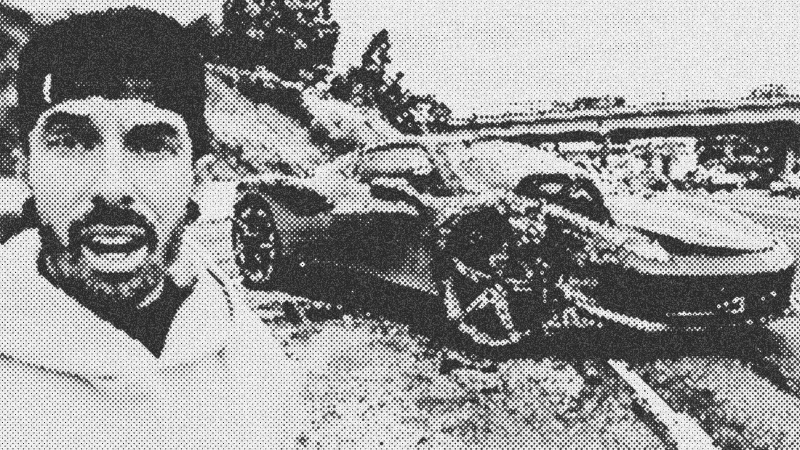
When a Ferrari 458 Spider rolls into the shop as a salvage auction write-off, most people see a pile of expensive scrap metal. I see a challenge that demands absolute precision. This isn't your average project; it's a deep dive into the guts of one of the last naturally aspirated V8 masterpieces to leave Maranello. Rebuilding a car of this caliber after a major structural impact requires more than just a set of wrenches. You need to respect the original engineering, understand the metallurgy of the aluminum frame, and accept that Italian quirks often involve more spacers and shims than a hardware store.
This guide breaks down the high-stakes process of taking the world’s cheapest 458 from a non-running biohazard to a structurally sound machine. We’ll cover the diagnostic hurdles of Ferrari’s safety systems, the intricacies of aluminum TIG welding, and the specialized fabrication required to bring a high-performance chassis back into alignment.
Tools & Materials Needed
Specialized Equipment
- TIG Welder: Specifically for aluminum work on the chassis and brackets.
- Dremel and Grinding Tools: For removing factory spot welds and rivets.
- Brake Pipe Flaring Tool: Essential for custom line fabrication.
- Hydraulic Jack & Skates: For maneuvering a non-rolling chassis.
- Diagnostic Scanner: To clear Ferrari-specific fault codes and monitor systems.
Replacement Components
- Structural Sections: Front frame rails, radiator supports, and rear crossmembers.
- Suspension Geometry: Control arms, wishbones, and Ohlins shock absorbers.
- Braking System: Carbon-ceramic discs and custom-bent brake lines.
- Body Panels: Aluminum doors, quarter panels, and front-end assemblies.
Step 1: Defeating the Inertia Switch and Powering Up
Modern Ferraris are designed to kill fuel and electrical power the second an airbag deploys. Before you even think about the engine, you have to address the inertia switch. In the 458, this is a physical button that pops up during an impact to prevent a fire. Locating it and pressing it down is the first step toward life.
However, a car that has sat in an auction yard often has a battery so far gone it won't even accept a jump. We found that standard jumper cables often create too much resistance for the 458's sensitive electronics. The solution? Bypassing the dead battery entirely and connecting a high-amperage slave battery directly to the terminals. Once the fuel pumps prime and the starter engages, you get to hear that V8 roar. But don't let the sound fool you; a running engine is only 10% of the battle when the frame is twisted.
Step 2: Stripping the Aluminum Skeleton
Removing the bodywork of a Ferrari reveals the "free" parts Enzo Ferrari used to joke about. What you find is a complex aluminum spaceframe held together by a mix of welds, rivets, and glue. To repair structural damage, you have to be surgical.
We had to drill out individual spot welds and grind off factory tack welds to remove the damaged rear quarter panel. Interestingly, Ferrari uses a significant number of spacers and shims to achieve their famous panel gaps. When stripping the front wing, we discovered that they often use small tack welds just to hold these spacers in place. If you're doing this yourself, document every shim. If you lose the sequence, your panel alignment will be a nightmare later on.
Step 3: Precision Aluminum Fabrication and Welding
Aluminum is a temperamental mistress. You can’t just MIG weld it like a piece of farm equipment. For structural repairs on the 458, we brought in Bob from The Machine Shop. The process involves cutting out the bent sections of the radiator support frame and TIG welding in new aluminum extrusions.
Because we were working without a dedicated frame jig, we had to use the "mirror method"—measuring fixed points on the undamaged side of the car and replicating those distances on the repair side. This is where the 458's design becomes difficult. Since it's a soft aluminum structure designed to absorb impact, the entire front end can shift. We had to freestyle the mounting brackets for the headlights and wings, ensuring they were square before the final beads were laid down.
Step 4: The Art of the Custom Brake Line
When you’re dealing with high-performance carbon-ceramic brakes, the plumbing must be perfect. We found a perished and kinked brake pipe that was unsafe for use. Instead of waiting weeks for a factory part, we fabricated a new one.
Using a flaring tool and copper-nickel piping, we matched the length of the original line. The key here is the "burr." You must achieve a perfect flare to ensure a leak-proof seal against the rubber hose that connects to the caliper. While some might scoff at hand-bending lines, as long as you avoid kinking the pipe and maintain smooth radii, you can achieve a result that is functionally superior to a damaged factory unit.
Step 5: Handling the Carbon-Ceramic Reality
One of the biggest hidden costs in a Ferrari rebuild is the braking system. The 458 uses carbon-ceramic discs that are incredibly brittle. Even a minor suspension impact can send a shock through the hub and crack the disc. We discovered cracks in both the front right and rear discs.
There is no "resurfacing" these. If they are cracked, they are scrap. We had to source secondhand replacements, which still cost nearly £1,000 per corner. Installing them requires careful torque sequences to ensure the hat of the disc sits perfectly flush against the hub. Failure to do this will result in pedal pulsation that will ruin the driving experience of a 200-mph supercar.
Tips & Troubleshooting
- Door Hinge Distortion: If your door doesn't line up with the quarter panel, don't immediately assume the frame is bent. Check the hinges. In side impacts, the hinges often take the brunt of the force. If they are even slightly tweaked, you’ll run out of adjustment range before the door sits flush.
- Fiberglass vs. OEM: Aftermarket fiberglass body kits, like those from DMC, can look aggressive, but they rarely fit like factory plastic. We found the Ferrari 458 Speciale style bumper required significant trimming just to clear the bonnet lock. Sometimes, a stock plastic bumper is the better choice for a car that actually gets driven.
- Electrical Gremlins: Replacing headlights on newer Ferraris often requires coding. Always test your electronics (indicators, high beams, DRLs) before you bolt the front bumper on for the final time.
Conclusion: The Reward of Precision
Rebuilding a Ferrari 458 Spider isn't about saving money—though we did manage to keep the total build cost around £82,000 against a market value of £126,000. It's about the technical satisfaction of bringing a masterpiece back from the brink. By the end of day six, the car was back on its own four wheels, specifically a set of genuine Ferrari 458 Speciale alloys.
The result of this labor is a car that retains its structural integrity while benefiting from a few performance-oriented upgrades. While we didn't hit the 7-day goal due to the sheer complexity of the aluminum welding and parts lead times, the progress is undeniable. Respect the engineering, take your measurements twice, and never underestimate the amount of work hidden behind a Ferrari's beautiful curves.
- Ferrari 458 Speciale
- 22%· products
- Bob
- 11%· people
- Car Vertical
- 11%· companies
- DMC
- 11%· companies
- Enzo Ferrari
- 11%· people
- Other topics
- 33%
I BOUGHT THE CHEAPEST FERRARI 458 THEN ATTEMPTED TO REBUILD IT IN 7 DAYS
WatchMat Armstrong // 1:01:24

I am Mat Armstrong from Leicester UK. Follow me as i build & modify cars. I dont really specialise in any manufacture of car, neither am i professionally trained, just a regular guy winging it as i go along restoring each car with my own personal touch (even if that means getting the angle grinder out) I hope my content brings a smile to your face and maybe inspires you to get on the spanners yourself. There would be no point in me listing what car i own at the moment as i switch and change so often, but you are likely to see Audi's, Mercedes, VW, Maserati's, Bentleys & more. I do like German engineering but im not scared to give the others a try 😆 At the end of the day im here for a good time & never take things too seriously so enjoy!! Mat Armstrong ⬇️ Im always active on my other social accounts aswell which are below ⬇️