How to Revive a Wrecked Lamborghini SVJ: A Mechanical Masterclass in Supercar Recovery
Introduction: The High-Stakes World of Wrecked Supercars
Resurrecting a flagship V12 machine requires more than just a set of wrenches; it demands a deep respect for the engineering that went into the
Essential Tools and Materials for High-End Recovery
Working on an SVJ isn't like wrenching on a
- Center Lock Wheel Removal Tool: Essential for the SVJ's specialized wheels; without this high-torque socket, you won't even get past the arches.
- Advanced OBD-II Diagnostic Scanner: A tool capable of reading Lamborghinispecific modules, especially for the Transmission Control Unit (TCU).
- Hydraulic Fluid (CHF): Specific Central Hydraulic Fluid for the e-gear system.
- External Jumper Packs: High-capacity units for cold-starting a V12, plus a secondary pack to maintain voltage during diagnostics.
- Fabrication Equipment: TIG welder for aluminum chassis repair and precision cutting tools for structural patches.
- Inspection Gear: Borescopes and high-intensity LED lighting to find hidden cracks in the carbon fiber tub.
Step 1: Engine Health and Oil System Bypass
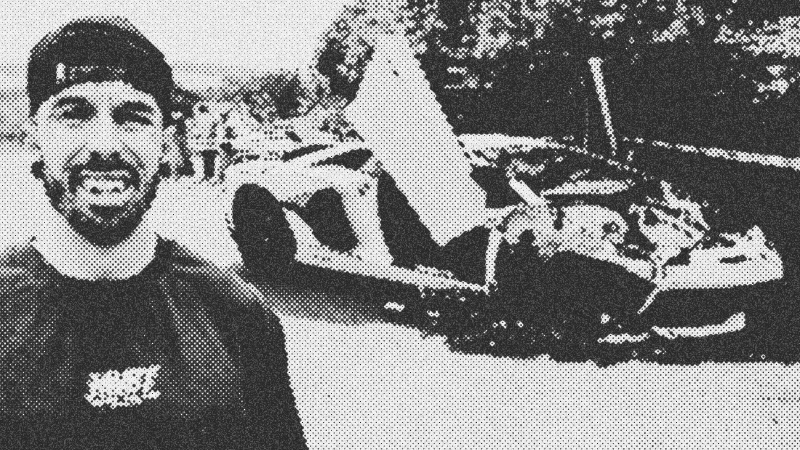
The first rule under the hood: never attempt to crank a dry engine. In this build, the rear oil cooler was annihilated, leading to total oil loss. Before even touching the starter, you must inspect the
Step 2: Waking the Transmission Control Unit (TCU)
A common roadblock with modern
Step 3: Repairing the Hydraulic Shifter Mechanism
Hidder damage often dictates the success of a build. Underneath the car, we discovered a cracked transmission mount that had impacted the gear-shifter solenoid. This impact bent the solenoid on its seat, compromising the green hydraulic seal and causing a total loss of pressure.
Step 4: Structural Chassis and Suspension Restoration
Once the engine breathed life, the focus shifted to the structural integrity of the rear-left quarter. The impact had pierced the aluminum chassis leg—a critical failure point for any "Category S" (Structural) salvage car. We enlisted the help of
Tips & Troubleshooting the SVJ Platform
- The Super Capacitor Trap: If the car won't crank despite a fresh battery, the super capacitor (located right of the battery) likely has zero charge. You may need to bypass it temporarily to get the initial turnover.
- Mold Mitigation: Roadster models left in salvage yards often suffer from interior mold. Avoid harsh chemicals on the Alcantara; use specialized upholstery cleaners to restore the "brand new" look without damaging the fibers.
- Center Lock Torque: These wheels require massive torque. Always re-check the locks after the first few miles of driving to ensure they haven't settled and loosened.
- Sensor Calibration: Expect a Christmas tree of lights on the dash if the lambdas and exhaust temperature sensors aren't plugged in. The car will run in a limp-mode state until these are reconciled.
Conclusion: The Reward of Precision Wrenching
Reviving a wrecked SVJ is a masterclass in patience and technical diagnostic skill. By bypassing the failed super capacitor, repairing the leaked hydraulic solenoid rather than replacing the entire gearbox, and professionally welding the aluminum chassis, we transformed a £230,000 pile of parts back into a functioning supercar. The outcome is a vehicle that not only drives but retains the raw, visceral soul of the