How to Revive a Wrecked Lamborghini SVJ: A Mechanical Masterclass in Supercar Recovery
Introduction: The High-Stakes World of Wrecked Supercars
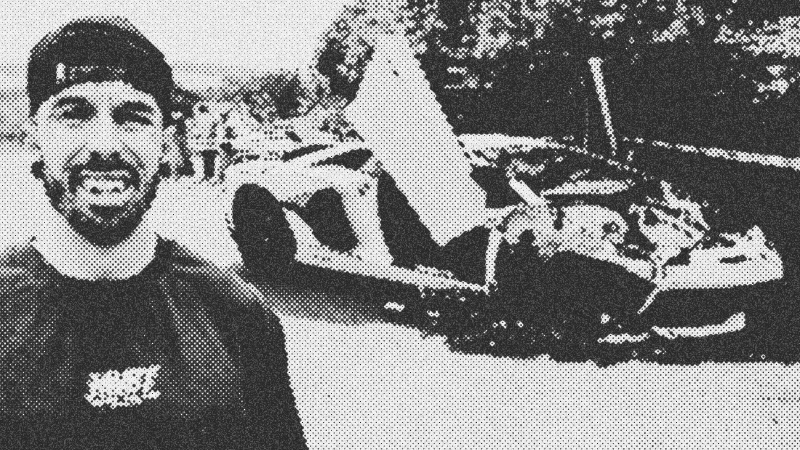
Resurrecting a flagship V12 machine requires more than just a set of wrenches; it demands a deep respect for the engineering that went into the Lamborghini Aventador SVJ. With only 800 Roadsters ever produced, the stakes for a successful restoration are astronomical. When a car of this caliber hits the auction block at Copart as a non-runner, the initial inspection is a battlefield of variables. You are looking at 770 horsepower of naturally aspirated fury that has been silenced by trauma. The goal of this guide is to detail the technical diagnostic path and surgical repair steps required to bring a crashed Lamborghini back to life, focusing on engine preservation, hydraulic systems, and structural integrity.
Essential Tools and Materials for High-End Recovery
Working on an SVJ isn't like wrenching on a Volkswagen Passat, even if some parts are shared. You need precision equipment to avoid causing more damage than the accident itself.
- Center Lock Wheel Removal Tool: Essential for the SVJ's specialized wheels; without this high-torque socket, you won't even get past the arches.
- Advanced OBD-II Diagnostic Scanner: A tool capable of reading Lamborghini specific modules, especially for the Transmission Control Unit (TCU).
- Hydraulic Fluid (CHF): Specific Central Hydraulic Fluid for the e-gear system.
- External Jumper Packs: High-capacity units for cold-starting a V12, plus a secondary pack to maintain voltage during diagnostics.
- Fabrication Equipment: TIG welder for aluminum chassis repair and precision cutting tools for structural patches.
- Inspection Gear: Borescopes and high-intensity LED lighting to find hidden cracks in the carbon fiber tub.
Step 1: Engine Health and Oil System Bypass
The first rule under the hood: never attempt to crank a dry engine. In this build, the rear oil cooler was annihilated, leading to total oil loss. Before even touching the starter, you must inspect the Lamborghini Aventador dry-sump system. If the dipstick comes up dry, the risk of a seized V12 is real. To diagnose without causing further friction damage, we sourced a replacement oil cooler from eBay for approximately £700. This allowed us to bridge the oil feed and return lines, ensuring the engine had lubrication before the first ignition attempt. We filled the system with 5W30 oil, providing a temporary lifeline to see if the internals still had the will to move.
Step 2: Waking the Transmission Control Unit (TCU)
A common roadblock with modern Lamborghini is the "sleep mode" triggered by a dead battery and a drained super capacitor. When the voltage drops too low for too long, the TCU fails to initialize, leaving the car stuck in gear. Since an SVJ cannot start while in gear, you must force the system awake. We bypassed the standard ignition sequence by manually bridging the e-gear pump relay. This manually activated the pump, attempting to build the 50-55 bar of pressure required to actuate the solenoids. Even after waking the TCU, our diagnostics showed a "Hydraulic Pressure Unit Loss," indicating that while the pump was spinning, it wasn't holding pressure.
Step 3: Repairing the Hydraulic Shifter Mechanism
Hidder damage often dictates the success of a build. Underneath the car, we discovered a cracked transmission mount that had impacted the gear-shifter solenoid. This impact bent the solenoid on its seat, compromising the green hydraulic seal and causing a total loss of pressure. Lamborghini typically requires a full shifter mechanism replacement costing over £13,000. However, precision mechanics involves repair over replacement. We removed the solenoid, straightened the mounting flange, and reseated the seal. After refilling the hydraulic reservoir with CHF until it overflowed the filler port, the system successfully primed and finally allowed the car to click into neutral.
Step 4: Structural Chassis and Suspension Restoration
Once the engine breathed life, the focus shifted to the structural integrity of the rear-left quarter. The impact had pierced the aluminum chassis leg—a critical failure point for any "Category S" (Structural) salvage car. We enlisted the help of Bob from The Machine Shop, who utilized a paper stencil technique to replicate the damaged chassis section. This bespoke aluminum patch was TIG-welded into place, restoring the leg's strength. On the suspension front, while the carbon-ceramic brakes remained intact, we discovered a bent rear-wheel steering module. Interestingly, we found that the handbrake motor on this £230,000 machine could be replaced with a £20 unit from a Volkswagen Passat, proving that even in the world of supercars, parts-bin engineering can save a build.
Tips & Troubleshooting the SVJ Platform
- The Super Capacitor Trap: If the car won't crank despite a fresh battery, the super capacitor (located right of the battery) likely has zero charge. You may need to bypass it temporarily to get the initial turnover.
- Mold Mitigation: Roadster models left in salvage yards often suffer from interior mold. Avoid harsh chemicals on the Alcantara; use specialized upholstery cleaners to restore the "brand new" look without damaging the fibers.
- Center Lock Torque: These wheels require massive torque. Always re-check the locks after the first few miles of driving to ensure they haven't settled and loosened.
- Sensor Calibration: Expect a Christmas tree of lights on the dash if the lambdas and exhaust temperature sensors aren't plugged in. The car will run in a limp-mode state until these are reconciled.
Conclusion: The Reward of Precision Wrenching
Reviving a wrecked SVJ is a masterclass in patience and technical diagnostic skill. By bypassing the failed super capacitor, repairing the leaked hydraulic solenoid rather than replacing the entire gearbox, and professionally welding the aluminum chassis, we transformed a £230,000 pile of parts back into a functioning supercar. The outcome is a vehicle that not only drives but retains the raw, visceral soul of the Lamborghini V12. For the dedicated mechanic, the reward is seeing the digital dash light up and hearing that naturally aspirated engine scream for the first time since the accident. Precision is everything; respect the machine, and it will return the favor on the open road.
- Lamborghini
- 29%· companies
- Volkswagen Passat
- 12%· products
- BHP Performance
- 6%· companies
- Bob
- 6%· people
- Car Vertical
- 6%· companies
- Other topics
- 41%
I BOUGHT A WRECKED LAMBORGHINI SVJ
WatchMat Armstrong // 48:31

I am Mat Armstrong from Leicester UK. Follow me as i build & modify cars. I dont really specialise in any manufacture of car, neither am i professionally trained, just a regular guy winging it as i go along restoring each car with my own personal touch (even if that means getting the angle grinder out) I hope my content brings a smile to your face and maybe inspires you to get on the spanners yourself. There would be no point in me listing what car i own at the moment as i switch and change so often, but you are likely to see Audi's, Mercedes, VW, Maserati's, Bentleys & more. I do like German engineering but im not scared to give the others a try 😆 At the end of the day im here for a good time & never take things too seriously so enjoy!! Mat Armstrong ⬇️ Im always active on my other social accounts aswell which are below ⬇️