The Ultimate Tech Toy: Analyzing a 1993 HUB Pumper Unboxing
Acquiring a Municipal Legend
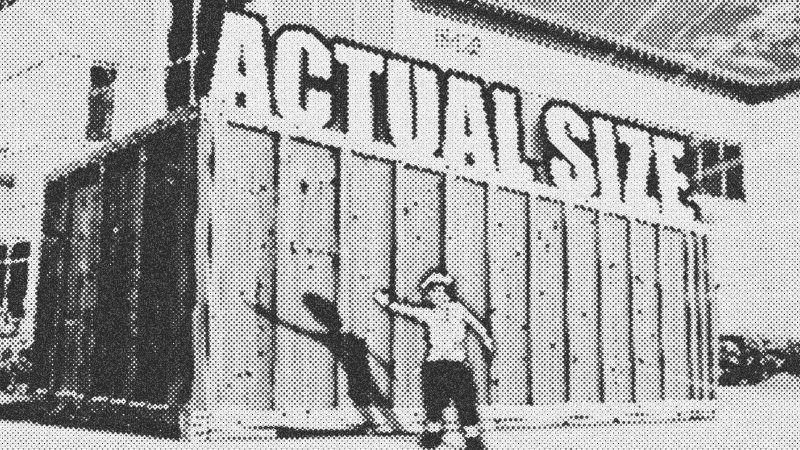
When a technology reviewer scales up an unboxing project, the results typically involve larger displays or more complex server racks. However, the acquisition of a 1993 HUB pumper shifts the focus from silicon to heavy machinery. This unit, manufactured in Abbotsford, British Columbia, represents a significant piece of municipal infrastructure now repurposed for private analysis. For just under $25,000 USD, the purchase includes a vehicle with fewer than 30,000 kilometers—an exceptionally low figure considering most fire engines face retirement after crossing the 100,000-kilometer threshold.
Mechanical Anatomy of the HUB Pumper
The 1993 HUB is not merely a transport vehicle; it is a mobile hydraulic powerhouse. At its core sits a Cummins 8.3-liter engine, a platform celebrated for its reliability in buses and military hardware. This engine drives a pump capable of moving 1,050 gallons of water per minute. The internal storage tank holds 1,500 gallons, providing a high-capacity reservoir for initial fire suppression before a secondary water source is established. The external layout features multiple "suction" and "discharge" ports, managed by a complex array of manual levers and relief valves that control pressure and flow rate.
Challenges in Legacy Hardware Operation
Operating a three-decade-old pumper without formal training highlights the steep learning curve of industrial design. Practical testing revealed the fragility of specialized components; for instance, a discharge cap was found broken, likely due to residual water freezing and expanding within the valve assembly during transport. Furthermore, the sheer physical scale of the hardware requires significant logistical planning. Filling the tank necessitated access to a private fire hydrant, exposing the reality of maintenance—hydrants must be flushed to clear debris and stagnant, discolored water before connecting to the truck’s sensitive pump system.
Integrated Systems and Power Generation
Beyond water management, the 1993 HUB pumper serves as a multi-utility platform. It houses a 5,000-watt generator capable of outputting 600 volts, providing essential power for rescue tools and lighting. The cabin ergonomics of 1993 also offer surprising features, such as heated mirrors and dedicated compartments for oxygen tanks. Even the maintenance access is over-engineered; the entire front cab tilts forward to expose the engine block, a design choice that facilitates rapid repair in high-stakes environments.
Future Implications for Extreme Cooling
While this vehicle’s primary service life has ended, its technical potential remains vast. The ability to pump massive volumes of water suggests radical applications in thermal management. Future experiments could see this industrial pump system utilized to create an oversized liquid cooling loop for high-performance computing clusters. This transition from firefighting to extreme tech cooling explores the boundary between industrial machinery and consumer electronics, proving that even legacy municipal hardware can find new relevance in a modern lab setting.
- 1993 HUB pumper
- 22%· products
- AMD
- 11%· companies
- AMD Ryzen 9 9950X3D
- 11%· products
- ASUS
- 11%· companies
- ASUS ROG Flow Z13
- 11%· products
- Other topics
- 33%
My BIGGEST UNBOXING ever! ( April Fools 2025)
WatchLinus Tech Tips // 19:36

Linus Tech Tips is a passionate team of "professionally curious" experts in consumer technology and video production who aim to educate and entertain. Sponsorship Inquiries: [email protected]