Decoding the Ideal Linux PC: A Deep Dive with Linus Torvalds
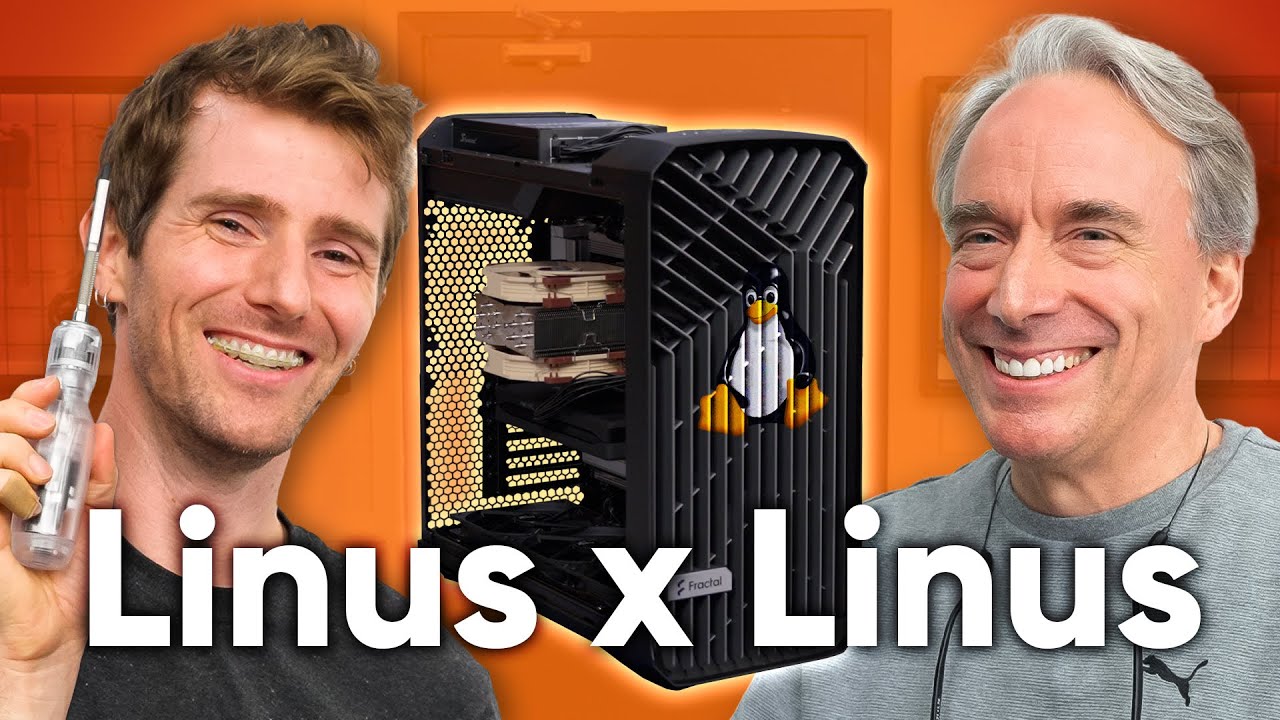
In a recent collaboration, Linus Torvalds, the creator of Linux, joined forces to explore the concept of the 'perfect' Linux PC. The discussion traversed a range of topics, from hardware considerations and software choices to reflections on the open-source movement and the evolving tech landscape. The insights shared provide a unique perspective on building a system optimized for productivity, reliability, and the specific needs of a modern developer.
The Quest for the 'Perfect' Linux Machine
The premise was clear from the outset: to assemble a Linux PC tailored to the creator himself. As the discussion unfolded, it became evident that the notion of 'perfect' is subjective, shaped by individual priorities and use cases. However, certain principles emerged as essential for any Linux-based system.
Hardware Priorities: Reliability and Stability
When it comes to hardware selection, reliability reigns supreme. "I've always wanted to have something that just is reliable," Linus Torvalds stated, emphasizing the need for a system that can be trusted. This focus on stability led to specific hardware choices, such as opting for a slightly older, but well-tested, CPU (AMD Threadripper 9960X), rather than the latest bleeding-edge technology. This decision reflects a practical approach, prioritizing dependability over raw performance gains.
The Case for Error-Correcting Code (ECC) Memory
One of the most emphatic recommendations was the use of ECC memory. Torvalds expressed his strong belief in ECC, stating, "I don't understand why people don't require ECC in their machines." He recounted personal experiences where the lack of ECC led to subtle, yet critical, errors that were initially mistaken for software bugs. For those working on projects where data integrity is paramount, ECC memory is not merely a suggestion, but a necessity.
Navigating Motherboard Selection
Choosing a motherboard for Linux is generally straightforward. The primary concern is ensuring that all onboard components are properly supported by the kernel. Compatibility is key, and users should verify that essential features like networking, storage interfaces, and peripheral ports function seamlessly with their chosen distribution.
Storage Solutions: Balancing Speed and Capacity
Data storage strategies vary widely. Linus Torvalds revealed a rather unconventional approach: "My data storage approach is I upload it on the internet and if it's worth saving, somebody else will save it for me." While this may not be suitable for everyone, it highlights the importance of having a well-defined backup and archival plan, whether it involves local network-attached storage (NAS) or cloud-based solutions.
Cooling Considerations: Air vs. Liquid
Cooling methods sparked an interesting debate. Torvalds voiced a preference for traditional air cooling, citing concerns about the reliability and potential noise issues associated with liquid cooling solutions. While acknowledging the potential of water cooling to provide superior heat dissipation, he remained skeptical, prioritizing the simplicity and proven track record of air coolers. He stated he was not interested in water cooling because he felt it has the potential to be both less reliable than regular air cooling and people have issues with it gurgling.
Software Choices: Distribution Preferences
When it comes to Linux distributions, Torvalds favors Fedora, citing its close alignment with kernel development. He also noted that other distributions such as Abuntu are more consumer oriented, and in the process when he tried it many years ago made it hard for him to upgrade the kernel because that was not their target audience. This preference reflects a desire for a system that provides easy access to the latest kernel updates and a development-focused environment.
Reflections on Open Source and AI
The discussion extended beyond hardware and software, touching on broader themes such as the impact of open source and the rise of artificial intelligence. Torvalds shared his perspective on the success of Linux and Git, expressing satisfaction that both projects have enabled the creation of billion-dollar companies. He also addressed the controversy surrounding AI models trained on the work of artists and programmers, acknowledging the ethical concerns while emphasizing the inevitability of technological progress.
The Enduring Legacy of Linux
As the conversation drew to a close, the impact of Linux on the modern computing landscape became increasingly clear. From powering smartphones and data centers to enabling innovation across industries, the open-source kernel has become an indispensable component of our digital world. Looking ahead, the continued evolution of Linux and the open-source philosophy promises to shape the future of technology for years to come.
Practical Insights for Linux Enthusiasts
Building the "perfect" Linux PC is an ongoing process, guided by individual needs and preferences. However, by prioritizing reliability, compatibility, and a deep understanding of system architecture, users can create a powerful and efficient environment for development, creativity, and exploration. As Linus Torvalds noted, "As long as there are enough users that what I do is meaningful and not just some mental masturbation, I'm fine."
Ultimately, the collaborative exploration serves as a valuable guide for anyone seeking to optimize their Linux experience. By embracing the principles of open source, prioritizing stability, and staying informed about emerging technologies, users can unlock the full potential of this versatile operating system.
Fancy watching it?
Watch the full video and context