Lance Hedrick uses water temp and pour counts to fix bitter coffee
Navigating the Spectrum from Ultra-Light to Dark Roasts
Coffee extraction isn't a one-size-fits-all metric. As Lance Hedrick demonstrates, the physical properties of a bean change drastically depending on its time in the roaster. A dark roast is brittle and porous, producing a high volume of fines (tiny dust-like particles) that can speed up or clog a brew depending on the filter. Conversely, an ultra-light roast is dense and stubborn, often requiring aggressive tactics to yield its hidden sweetness. Understanding where your bag sits on the Agtron scale—from the deep browns of an 85 to the pale tans of a 140—is the first step in deciding which brewing lever to pull.
Tools for Precision Dialing
To apply these variables effectively, you need a repeatable baseline. You will need a consistent grinder, a V60 or similar pour-over dripper, a digital scale measuring to 0.1g, and a gooseneck kettle with temperature control. For those looking to mirror Hedrick's results, a TDS meter is helpful for measuring total dissolved solids, though your palate remains the final arbiter of quality. The goal is to move beyond "guessing" and toward making one specific change at a time based on the flavor profile you encounter in the cup.
Dialing in the Dense Ultra-Light Roast
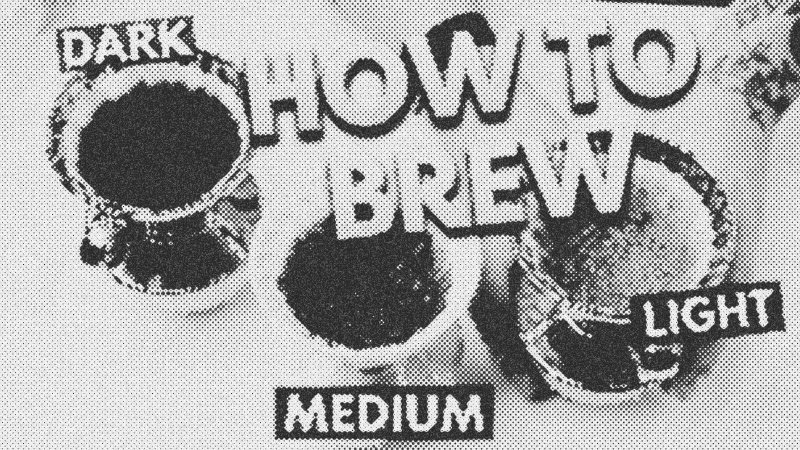
When working with ultra-light coffees, such as those from 43 Factory Coffee Roaster, the primary challenge is overcoming density. Often, these brews can taste "green" or vegetal if over-extracted. To fix this, Hedrick recommends reducing the number of pours. By moving from a three-pour method to a two-pour method (a bloom followed by one large pour), you decrease agitation and contact time. This subtle shift can drop extraction just enough to kill the vegetal notes while preserving the delicate lavender and prickly pear aromatics. The result is a tea-like clarity that highlights the coffee's floral complexity.
Taming the Heat in Medium Roasts
Medium roasts often present a balance of acidity and body, but they are prone to a creeping bitterness if the water is too hot. If your cup feels silky but finishes with an acrid bite, the solution is simple: drop the temperature. Reducing the water from 94°C to roughly 88°C (190°F) prevents the extraction of heavier, more bitter compounds. This change allows the juiciness of the coffee to shine through without the roast notes dominating the palate. It is a reminder that you don't always need to change the grind size to fix a flavor imbalance.
Reviving the Muddy Dark Roast
Dark roasts, like those from Saka Caffe, require a complete strategic inversion. Because the roasting process has already done much of the "work" by breaking down the bean's structure, these coffees extract very easily. However, they lack the soluble variety of lighter roasts. To get a satisfying cup, Hedrick suggests a tighter 1:14 ratio and a significantly finer grind—up to 100 microns finer than your light roast setting. To prevent this from becoming a bitter mess, use much cooler water (around 85°C). This creates a concentrated, sweet, and "muddy" profile that fans of dark roasts crave, without the excessive ashiness found in high-temp extractions.
Mastering the Variables for a Better Cup
By systematically adjusting temperature, pour count, and ratio, you transform brewing from a chore into a science. The objective isn't to hit a specific extraction percentage, but to find the "optimization of florality and juiciness" that suits your specific taste. Whether you prefer the punch of a concentrated dark roast or the floral lift of a light roast, the ability to diagnose a flaw and apply a specific mechanical fix is what separates a lucky brewer from a master.
- 43 Factory Coffee Roaster
- 14%· companies
- Agtron
- 14%· products
- Lance Hedrick
- 14%· people
- Saka Caffe
- 14%· companies
- Squarespace
- 14%· companies
- Other topics
- 29%
I Tested Every Brew Variable... Here's What Actually Matters
WatchLance Hedrick // 22:05

What's up, everyone! Lance Hedrick here. Coffee Pro of a decade, coach two 2x World Barista Champion runner-ups, past Latte Art Champion, academic in remission, and extremely neurodivergent weirdo. I teach all interested in coffee everything about coffee, from coffee science, theories, brew methods, machine reviews, and more. And, I am a weirdo. I have a patreon listed below. I hope to purchase all products shown on this channel and subsequently giving them away to supporters. Cheers!