Mastering the Modern Shot: Beyond Nine Bar Pressure
The Espresso Rulebook is Obsolete
Standard espresso conventions suggest a rigid framework: nine bars of pressure, a 1:2 ratio, and a 30-second extraction. I am here to tell you to throw that box out the window. If you want to experience the full potential of specialty coffee, specifically ultra-light roasts, you must embrace the plethora of ways to pull a shot that fall well outside traditional ranges. My preference has always leaned toward filter coffee because of its clarity and acidity, but espresso is now neck and neck because we have finally started treating it with the same nuance.
Modern espresso isn't about hitting a specific number on a gauge; it's about managing the practical impact of temperature and flow. Whether you use a Decent Espresso Machine or a budget Delonghi Stilosa, the goal is the same: manipulate the machine to serve the bean, rather than forcing the bean to fit the machine's factory settings.
Essential Gear for Advanced Extraction
To replicate these methods, you need tools that allow for manual intervention. While high-end machines offer digital control, the principles remain universal. You will need:
- Precision Grinder: A unit like the EG-1 is ideal, but any grinder capable of unimodal distribution at coarser settings works.
- Espresso Machine: Ideally one with a steam wand that can bleed off pressure or a boiler that allows for temperature surfing.
- Scale: High-precision for measuring yield in real-time.
- Coffee: Choose either an ultra-light roast (for low contact shots) or a traditional dark roast like Saka Crema Bar (for lever-style shots).
The Low Contact Method for Light Roasts
The "Low Contact" recipe, popularized by LongPVO, is a revelation for ultra-light beans. This method targets a nectar-like body and high clarity without the harsh, biting acidity often found in fast shots.
- Aggressive Initial Fill: Set your initial water temperature to 83.5°C. Start with a high flow rate—up to 12ml per second. This "water hammer" effect fills the puck quickly.
- The Soak: Once the machine hits 1.5 bar of pressure, pause for a one-second soak. If you are using a manual machine, this is where you briefly cut the pump.
- Fast Percolation: Finish the shot at a lower temperature, around 63.5°C. You are looking for a total extraction time of under 15 seconds.
- The Yield: Aim for a 1:2.5 or 1:3 ratio.
This method yields a complex, floral bouquet. By extracting at a lower temperature during the final phase, you eliminate the bitterness that often plagues light roasts.
Replicating the Lever Style Shot
For those who crave the romanticized Italian profile—dark chocolate, toffee, and a thick, syrupy texture—a spring lever profile is superior. This requires a high initial pressure ramp followed by a slow decay.
- Pre-infusion: Set temperature to 85°C. Let the water hit the puck and sit at one bar until the first drops appear.
- Pressure Peak: Ramp up to nine bars of pressure.
- The Cascade: Slowly decrease pressure as the shot progresses. If you are on a manual machine without a solenoid valve, simply turn the pump off and let the residual pressure finish the job.
- Rich Texture: Target a tighter 1:2 ratio to maintain that heavy, Molasses-like mouthfeel.
Hacks for Every Machine
You don't need a $4,000 machine to experiment. If you have a single-boiler machine like a Gaggia Classic Pro or Rancilio Silvia, you can "hack" the temperature and flow. Opening the steam wand during a shot diverts water and pressure, effectively allowing you to lower the flow rate and temperature on the fly. You can also kill the heating element mid-shot to ensure the temperature cascades downward. Industry obsession with temperature consistency is misguided; a declining temperature profile almost always results in a better-tasting cup by reducing over-extraction in the final seconds.
Troubleshooting and Refinement
If your low contact shot tastes like "sour water," you've ground too coarse or the temperature dropped too far. If your lever shot is astringent, lower your peak temperature. Remember that coarser grinds are more forgiving and produce a more uniform particle distribution. Don't be afraid of a messy-looking shot; a lack of crema doesn't mean a lack of flavor. Trust your palate over the visual aesthetics of the pour.
- Andre Eiermann
- 11%· people
- Decent Espresso Machine
- 11%· products
- Delonghi Stilosa
- 11%· products
- EG-1
- 11%· products
- Gaggia Classic Pro
- 11%· products
- Other topics
- 44%
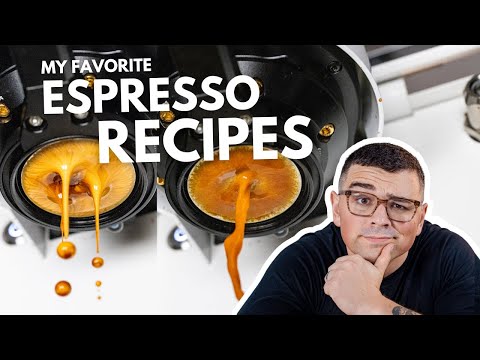
Espresso Hacks for Delicious Coffee
WatchLance Hedrick // 26:16

What's up, everyone! Lance Hedrick here. Coffee Pro of a decade, coach two 2x World Barista Champion runner-ups, past Latte Art Champion, academic in remission, and extremely neurodivergent weirdo. I teach all interested in coffee everything about coffee, from coffee science, theories, brew methods, machine reviews, and more. And, I am a weirdo. I have a patreon listed below. I hope to purchase all products shown on this channel and subsequently giving them away to supporters. Cheers!