Achieving Cafe-Quality Foam with the Bellman Stovetop Steamer
Unlocking Pro-Level Texture at Home
The Bellman Stovetop Steamer bridges the gap for manual espresso enthusiasts who crave the silky microfoam typically reserved for high-end commercial machines. This guide demonstrates how to transform a simple metal canister into a high-pressure steaming powerhouse, allowing you to pour intricate latte art without an automatic machine.
Essential Tools and Preparation
To start, you need the Bellman Stovetop Steamer, fresh water, and your choice of milk—standard dairy or alternatives like Miracle Kitchen Barista Milk work perfectly. Fill the reservoir only to the internal lip; overfilling restricts the space needed for steam to build pressure. Ensure the top knob is screwed on as tight as possible to engage the O-ring seal. Place the unit on high heat until steam begins escaping from the relief holes in the handle, signaling peak pressure.
The Halfway and a Quarter Technique
Once pressurized, move the unit to a stable surface and purge the wand to clear condensation. Position the steam tip in your milk pitcher using the "halfway and a quarter" rule: place the wand halfway between the center and the side of the pitcher, and a quarter of the way down. Open the valve and begin stretching the milk with extremely light, subtle movements. The Bellman Stovetop Steamer delivers pressure aggressively, so you must be more gentle than you would be with a standard espresso machine to avoid creating large, soapy bubbles.
Troubleshooting for Silky Results
If your foam is too thick, you likely injected air for too long. Stop stretching earlier than usual—well before the pitcher feels hot to the touch. Maintain a strong vortex to integrate the air into the milk. After steaming, immediately wipe the wand with a damp rag and purge again to prevent milk buildup. This method yields a professional finish that rivals machine-quality texture, even on a stovetop setup.
- Bellman Stovetop Steamer
- 43%· products
- Lance Hedrick
- 14%· people
- Miracle Kitchen Barista Milk
- 14%· products
- Nomad manual espresso maker
- 14%· products
- Prima Coffee Equipment
- 14%· companies
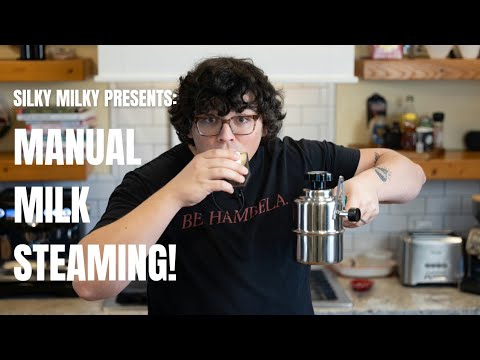
HOW TO STEAM MILK ON BELLMAN STOVETOP STEAMER!
WatchLance Hedrick // 10:43

What's up, everyone! Lance Hedrick here. Coffee Pro of a decade, coach two 2x World Barista Champion runner-ups, past Latte Art Champion, academic in remission, and extremely neurodivergent weirdo. I teach all interested in coffee everything about coffee, from coffee science, theories, brew methods, machine reviews, and more. And, I am a weirdo. I have a patreon listed below. I hope to purchase all products shown on this channel and subsequently giving them away to supporters. Cheers!