Design Over Substance: Testing the Delta Q Rise by Philippe Starck
Art in the Kitchen: The Starck Influence
The coffee world rarely sees a collision between high-concept industrial design and the convenience of pod-based brewing. The Delta Q Rise, a collaboration between the Portuguese coffee giant Delta and renowned designer Philippe Starck, attempts to bridge this gap. At first glance, the machine is less an appliance and more a statement piece. Its sleek, egg-like silhouette and minimalist interface—available in shades like terracotta and bone white—command attention. It turns the act of making coffee into a visual performance, but for a discerning reviewer, aesthetic value only carries a product so far. The real question is whether this sculptural form translates into a superior cup of coffee.
The Physics of Bottom-Up Extraction
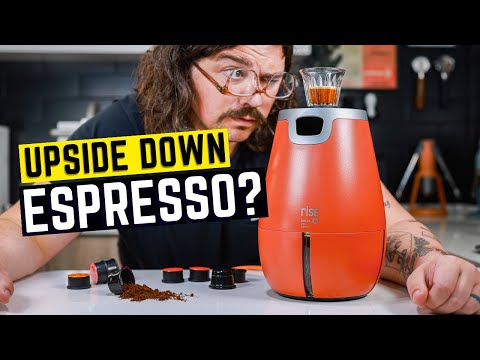
The defining technical hook of the Rise is its inverted extraction method. Traditional machines, like those from Nespresso, push water down through a capsule. The Delta Q Rise flips the script, injecting water through the base of the cup so the beverage rises from the bottom. Delta claims this process preserves volatile aromatics and organoleptic compounds that typically dissipate during the fall from a standard spout. While the visual of the "cascading" nitro-style effect is undeniably satisfying, the scientific evidence for these claims remains thin. In practice, the closed-system extraction aims to lock in flavor, but my testing suggests the marketing might be more robust than the actual chemical advantage.
Analyzing the Brew: TDS and Texture
Objective measurements reveal a significant gap between the machine’s branding and its performance. Using a refractometer to measure Total Dissolved Solids (TDS), the espresso-style setting yielded a mere 4.27%. For context, a true espresso typically sits between 9% and 11%. This puts the output closer to a concentrated filter coffee than a syrupy, authentic espresso. Furthermore, the "crema" produced is more of a faux foam—a result of pressurized aeration rather than the natural emulsification of oils found in fresh beans. While the mouthfeel is pleasant enough, it lacks the coating density that defines high-end espresso. The flavor profile, particularly with Delta's darker roasts, often leans toward notes of rubber and tar rather than the nuanced acidity specialty drinkers crave.
Ecosystem Lock-In and Ethics
One of the most frustrating aspects of the Delta Q Rise is its closed ecosystem. Because Delta uses a proprietary, patented pod design dating back to 2007, users are restricted to their specific coffee catalog. Unlike the Morning Machine, which offers compatibility with a wide range of specialty roasters and biodegradable capsules, the Rise relies heavily on non-recyclable plastic pods. In an era where sustainability is a core pillar of consumer tech, the environmental impact of these plastic-heavy capsules is a significant drawback.
The Final Verdict
The Delta Q Rise is a triumph of industrial design, but it falters as a precision coffee tool. It produces a drinkable, albeit watery, cup that sits in a nebulous space between drip and espresso. If you prioritize a kitchen centerpiece that sparks conversation, the Philippe Starck pedigree delivers. However, if your goal is the highest quality extraction and environmental responsibility, your investment is better spent elsewhere. The machine is a beautiful object, but it fails to revolutionize the liquid inside the glass.
- Delta
- 31%· companies
- Delta Q Rise
- 31%· products
- Philippe Starck
- 15%· people
- James Hoffmann
- 8%· people
- Morning Machine
- 8%· products
- Nespresso
- 8%· companies
DO THE LOOKS JUSTIFY THE...BEANS?: Delta Q Rise by Starck Review
WatchLance Hedrick // 19:24

What's up, everyone! Lance Hedrick here. Coffee Pro of a decade, coach two 2x World Barista Champion runner-ups, past Latte Art Champion, academic in remission, and extremely neurodivergent weirdo. I teach all interested in coffee everything about coffee, from coffee science, theories, brew methods, machine reviews, and more. And, I am a weirdo. I have a patreon listed below. I hope to purchase all products shown on this channel and subsequently giving them away to supporters. Cheers!