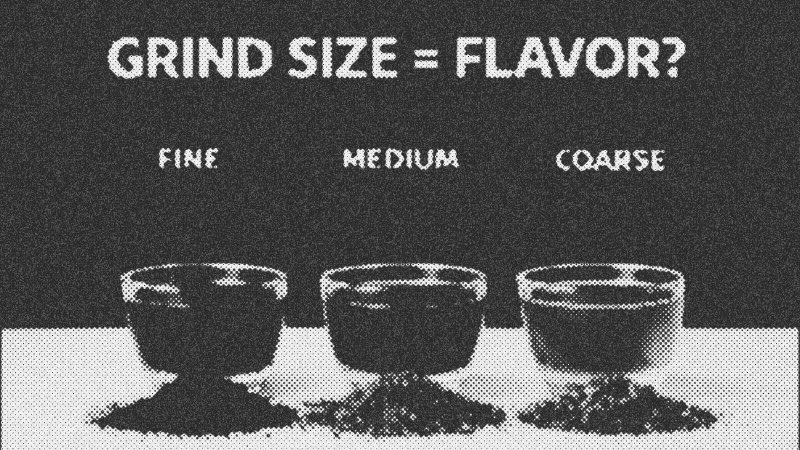
Lance Hedrick finds 750 microns offers superior vibrance in filter coffee experiment
The Precision of Particle Size in Extraction
In the pursuit of the perfect cup, enthusiasts often obsess over water temperature or pour technique. However,
Quantifying the Micron Shift
Using the
The Sensory Trade-off
During a blind tasting, the 750-micron brew emerged as the clear favorite, praised for its juiciness and vibrancy. This aligns with scientific theories regarding organic compounds; early-stage extraction favors positive aromatics like rose and cotton candy. As the grind tightens, these delicate notes are not lost but rather overwhelmed by negative compounds that introduce leathery and rubbery flavors. Interestingly, Hedrick notes that while temperature shifts create more immediate bitterness, grind size changes tend to impact the clarity and "vibrancy" of the coffee more significantly through contact time.
Practical Implications for Home Brewers
Hedrick advocates for a "go coarser" philosophy, suggesting that many home brewers inadvertently push extraction into a muted, bitter territory. By increasing particle size, one can often reclaim the nuanced acidity and floral notes that high-temperature, fine-grind recipes tend to obscure. The takeaway is clear: precision in grinding isn't just about consistency; it's about staying within the extraction window where positive flavor compounds dominate.