The Infiltration of the Super-Organism: Blowfly Mimicry
Introduction: Nature's Master Deceivers
In the grand architecture of the natural world, survival often favors the cunning over the powerful. The Blowfly larva provides a staggering example of biological espionage. These organisms do not merely survive; they infiltrate the highly guarded citadels of the Harvester Termite. By adopting a specialized evolutionary toolkit, the larva bypasses the stringent security of a termite colony, living as an uninvited guest in one of nature’s most exclusive societies.
The Anatomy of the Fake Face
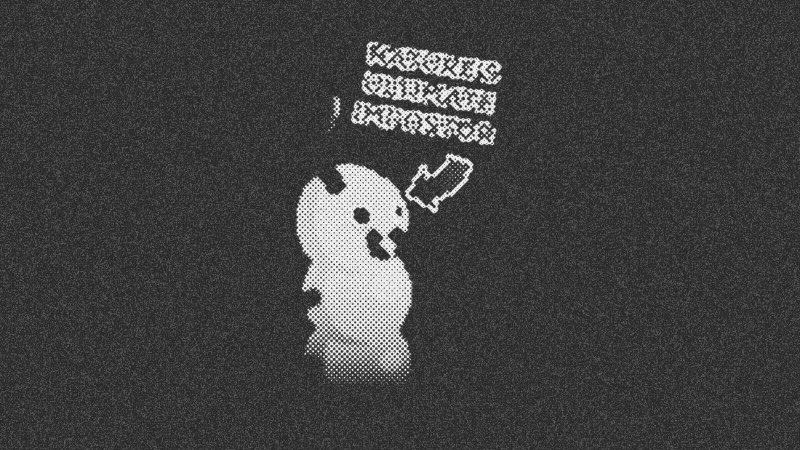
The most striking feature of this infiltration is the larva's physical deception. It sports a "fake face" located on its posterior, where breathing holes—spiracles—mimic the appearance of eyes. Around its body, specialized tentacles replicate the intricate detail of termite antennae. This morphological mimicry is so precise that it satisfies the tactile requirements of the colony's guards. To a termite, whose world is defined by touch and chemistry, the larva presents a physical profile that screams "family."
Chemical Warfare and Social Integration
Physical disguise is only the first layer of the scam. The larva has evolved the ability to match the specific colony scent and even sub-colony "flavors." Termite super-organisms operate via a complex chemical firewall; anyone with the wrong pheromonal signature is typically shredded by soldier termites. By cloaking itself in the colony’s unique chemical signature, the blowfly larva avoids execution. Once inside, it engages in the busiest areas of the nest, receiving grooming and even mouth-to-mouth feeding from its hosts.
Implications of Convergent Evolution
This behavior represents a fascinating case of recent evolutionary transition. While Humpback Flies developed similar parasitic strategies roughly 150 million years ago, the blowfly appears to have reached this state independently. This suggests that the termite colony represents an ecological niche so stable and resource-rich that life consistently finds new, deceptive ways to exploit it. It forces us to ask: how many other impostors are operating in plain sight, hidden by masks we have yet to recognize?
- Blowfly
- 33%· animals
- Harvester%20Termite
- 33%· animals
- Humpback%20Flies
- 33%· animals
Nature’s Ultimate Impostor
WatchKurzgesagt – In a Nutshell // 1:21

Animation videos explaining things with optimistic nihilism since 12,013. We’re a team of illustrators, animators, number crunchers and one dog who aim to spark curiosity about science and the world we live in. To us nothing is boring if you tell a good story. For updates on our videos and other news from the kurzgesagt universe follow us on Twitter, Facebook, Instagram and LinkedIn.