Crafting History: A Guide to DIY Ammolite Fossil Cufflinks
A Gemstone Born of Deep Time
Creating custom jewelry allows you to wear your personality on your sleeve—literally. For those seeking something beyond the ordinary, Ammolite offers a stunning visual profile. This organic gemstone, formed from the fossilized shells of ancient ammonites, displays a vibrant play of color. While full specimens command high prices, small fragments are accessible to any hobbyist looking to incorporate prehistoric beauty into a formal suit. This guide outlines how to transform these raw chips into refined, durable cufflinks.
Essential Tools and Materials
Precision is your best friend when working with small, fragile fossils. Gather the following before starting:
- Raw Materials: Ammolite fragments and flat jewelry wire.
- Design Software: Adobe Illustrator for precise scaling.
- Cutting Tools: A jeweler’s saw and jewelry files.
- Adhesives & Sealants: Mod Podge, 5-minute epoxy, and spray adhesive.
- Finishing: Fine-grit sandpaper and cufflink posts.
Precision Shaping and Stabilization
Start by measuring your stone fragments. Input these dimensions into a digital workspace to design a shape that maximizes the fossil's surface area. A hexagonal pattern often provides a modern, clean aesthetic. Print your template to scale and use spray adhesive to attach it directly to the fossil surface. Carefully cut the shape using a jeweler’s saw, maintaining steady pressure to avoid cracking the delicate shale layers.
Once the shape is cut, smooth the edges with a file and sandpaper. Because this fossil type can be flaky, apply a coat of sealant to the sides. This stabilizes the layer lines and prevents future delamination.
Framing and Final Assembly
A raw edge often looks unfinished. Wrap the perimeter of your stones with flat jewelry wire to create a professional border. Ensure the wire is slightly wider than the stone's thickness; this creates a shallow "cup" at the back. Fill this void with 5-minute epoxy. This not only locks the wire frame in place but provides a robust foundation for the cufflink posts. Let the assembly cure overnight to ensure the bond is indestructible.
Tips for a Professional Finish
If your wire frame feels loose, use small clamps to hold the tension while applying the epoxy. If the fossil surface appears dull after handling, a light buffing can restore its iridescent glow. By following these steps, you create a piece of history that is sturdy enough to survive a wedding dance floor and elegant enough for any black-tie event.
- Adobe%20Illustrator
- 33%· products
- Ammolite
- 33%· products
- Mod%20Podge
- 33%· products
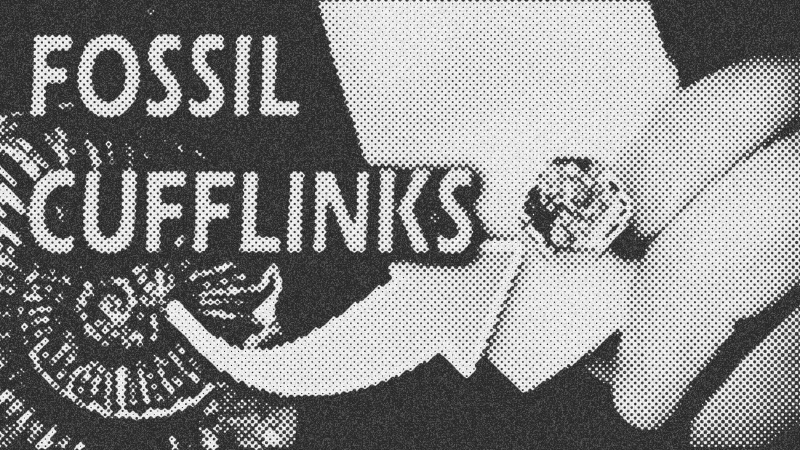
DIY 75,000,000-Year-old Cufflinks for my Wedding!
WatchIngenius Designs // 2:31

At Ingenius Designs, we collect hobbies like some people collect stamps, but unlike stamps we don't want to leave the collection in a dark closet somewhere. Join us as we share our art and other creations, along with tutorials for any discoveries we make along the way!