Defying Cartoon Physics: The Engineering of Aang's Airbending Glider
Translating Animation into Reality
Bringing the iconic tools of Avatar: The Last Airbender into the physical world requires more than simple craftsmanship; it demands a reconciliation with impossible physics. While Aang effortlessly snaps his wooden staff into a massive glider, real-world materials face the brutal constraints of volume and structural integrity. Previous attempts at this replica often sacrificed the slim profile of the staff to accommodate the transformation or produced a prop too fragile for actual use. This project sought to bridge that gap, creating a functional, artistic tool that fits the palm of a hand while concealing a six-foot wingspan.
The Pivot from Folding to Rolling
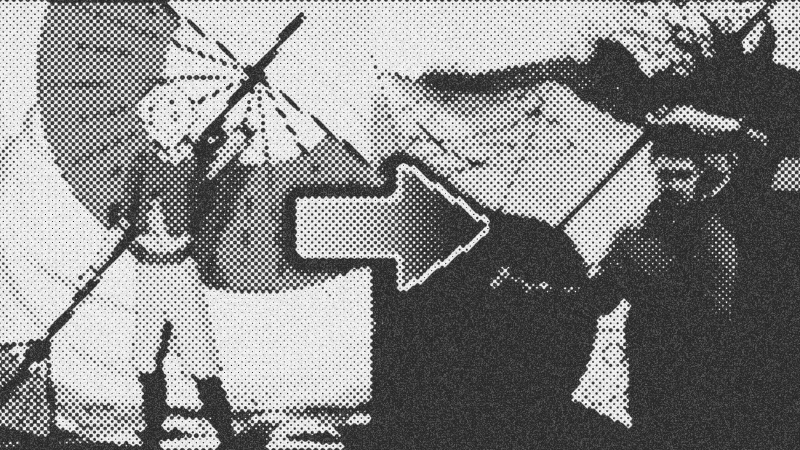
Traditional folding fans initially seemed the logical blueprint for the wing mechanism. However, standard paper fan designs failed because they either expanded too wide in one dimension or became too bulky when collapsed. The breakthrough came from discarding the rectangular cross-section in favor of a circular one. By inventing a mechanism where fabric wings roll around a central metal rod rather than folding like paper, the design utilizes the third dimension to maximize storage space. This rotating rod, connected to a decorative wooden ball, allows the user to manually spool the wings into the core of the staff.
Solving Structural Vulnerabilities
Drilling a cavity into a wooden staff to house wings creates a significant weak point susceptible to snapping. To counteract this, ornamental copper pipe segments were integrated to reinforce the hollowed sections. These aren't merely structural; they provide the mounting points for a beaded wire lock system. Because real-world wings lack "airbending" to hold them taut, these beads slide into place to keep the slats extended during flight mode. When closed, they dangle like the rings of a Buddhist Monks shakujo, grounding the fantasy prop in its real-world cultural inspirations.
Aesthetic Philosophy of the Air Nomads
Since the source material offers limited glimpses into Air Nomads culture, the final detailing required a deep dive into abstract expressionism. Air is the element of freedom and detachment. To represent this, the staff features curved patterns and elongated spirals that suggest the chaotic yet graceful movement of straw caught in a gale. Utilizing gold leafing, silk painting, and mother-of-pearl inlays, the finished piece represents a "head-canon" version of an adult Airbender's personalized tool—a sophisticated evolution of the basic training glider seen in the series.
- Aang
- 20%· people
- Air Nomads
- 20%· organizations
- Airbending Glider
- 20%· products
- Avatar: The Last Airbender
- 20%· tv shows
- Buddhist Monks
- 20%· people
How I Made Avatar Aang's Airbending Glider Staff in Real Life
WatchIngenius Designs // 8:06

At Ingenius Designs, we collect hobbies like some people collect stamps, but unlike stamps we don't want to leave the collection in a dark closet somewhere. Join us as we share our art and other creations, along with tutorials for any discoveries we make along the way!