Archival vs. Accessible: Choosing the Right Materials for Custom Bookbinding
The Legacy of the Page
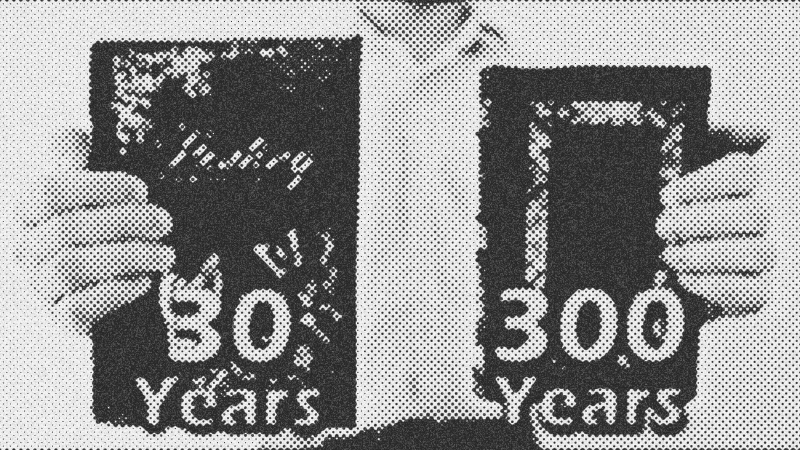
Understanding bookbinding starts with the paper itself. In the mid-1800s, the industry shifted from cotton and linen rags to wood pulp. This introduced lignin, a chemical that breaks down into acid, turning pages yellow and brittle. While major publishers committed to acid-free paper in 1989, many paperbacks and older volumes remain vulnerable. When rebinding, you must decide if you are creating a 30-year "reading copy" or a 300-year heirloom. This choice dictates every subsequent material decision, from adhesives to outer skins.
Foundations of the Binding
The text block relies on endpapers to connect it to the cover. For standard projects, durable cardstock suffices. For luxury editions, silk moiré—taffeta with a paper backing—provides a timeless aesthetic. Adhesives also play a critical role. While professional PVA glue is the standard for its neutral pH and flexibility, Elmer's Tacky Glue offers a surprisingly effective, budget-friendly alternative with a longer working time.
The Great Leather Debate
Choosing between vegetable-tanned leather and chrome-tanned leather is the most controversial aspect of the craft. Vegetable tanning is the ancient method, utilizing bark and leaves. It allows for wet-shaping but can be prohibitively expensive and difficult to source in thin weights. Chrome tanning, developed in the 1800s, offers superior tensile strength and color consistency. Despite traditionalists' preferences, chrome-tanned leather is highly durable and often more practical for the modern binder.
Structure and Aesthetic
Davy board remains the gold standard for covers due to its density and known grain direction, though chipboard works for smaller, less formal projects. For decoration, Heat Transfer Vinyl allows for organic, complex designs that traditional hot stamping foil cannot easily replicate. Ultimately, the best binding balances historical integrity with the intended future of the book.
- acid-free paper
- 7%· products
- Austin Andress
- 7%· people
- chipboard
- 7%· products
- chrome-tanned leather
- 7%· products
- Davy board
- 7%· products
- Other topics
- 67%
How Long Will Your DIY Book Covers Last? Depends on What They're Made of!
WatchIngenius Designs // 12:24

At Ingenius Designs, we collect hobbies like some people collect stamps, but unlike stamps we don't want to leave the collection in a dark closet somewhere. Join us as we share our art and other creations, along with tutorials for any discoveries we make along the way!