Algorithmic Malice and the Enduring Ethos: A Four-Decade Reflection on Digital Craftsmanship
The study of lost civilizations often reveals cyclical patterns in human endeavor, whether in the construction of empires or the dismantling of societal norms. In the contemporary digital epoch, we observe a similar interplay of creation and decay, particularly evident in the evolution of cyber warfare and the culture surrounding it. The recent emergence of AI-generated malware signifies a profound shift, challenging our understanding of authorship, intent, and the very nature of adversarial engagements in the digital realm. This transformation invites a scholarly reflection, not merely on the technical advancements, but on the enduring human questions they provoke, echoing the complexities faced by ancient societies grappling with new forms of disruption.
The Shifting Sands of Digital Vulnerability: Executive Perceptions and Ancient Precedents
Modern institutions, much like the great city-states of antiquity, perpetually assess the threats to their stability and prosperity. A recent examination by the World Economic Forum, articulated in its Global Cybersecurity Outlook 2026, reveals a fascinating divergence in perception between chief executive officers (CEOs) and chief information security officers (CISOs) regarding the most pressing cyberthreats. While one group prioritizes the immediate, visible depredations of cyber fraud, the other harbors a deeper apprehension concerning ransomware, a digital siege capable of crippling foundational infrastructure. This mirrors the historical debates within ancient councils: whether to fortify against persistent, insidious internal corruption or to prepare for the overt, destructive incursions of external forces. The discourse, featuring insights from Suja Viswesan, Dave Bales, and Dustin Heywood, elucidates that this divergence is not merely technical, but reflects distinct risk appetites and strategic vantage points, a dynamic as old as organized societal defense itself.
The Dawn of Algorithmic Malice: The Case of VoidLink
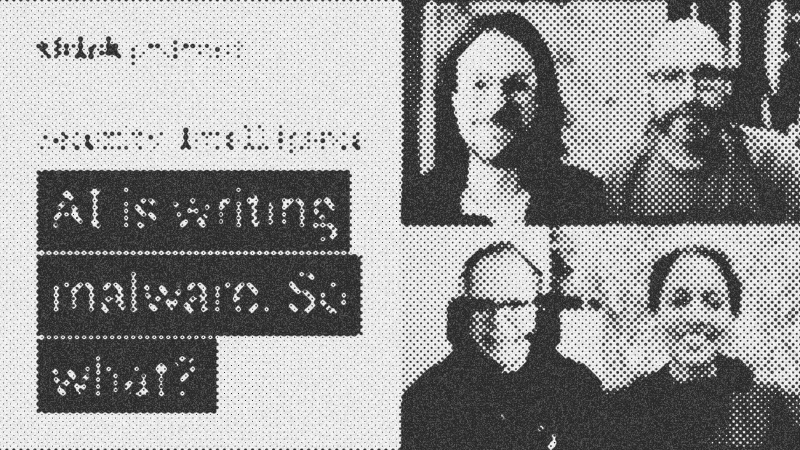
For millennia, craftsmanship has been a hallmark of human ingenuity, whether in the forging of steel or the intricate weaving of texts. The digital age has seen the emergence of a new form of craftsmanship in hacking, where bespoke code is meticulously engineered for specific purposes. However, the advent of algorithmic assistance is fundamentally reshaping this paradigm. The case of VoidLink, identified as a malware framework significantly aided by artificial intelligence, represents a pivotal moment. It signifies a transition from human-centric ingenuity to machine-augmented malevolence. Previously, the creation of sophisticated malware demanded a deep understanding of system vulnerabilities and an artisan's touch in coding. Now, AI models can synthesize and optimize malicious code, potentially accelerating development cycles and obscuring the human 'fingerprint' of its creators. This raises profound questions about accountability and attribution, echoing historical challenges in identifying the true instigators behind complex, widespread societal disruptions or clandestine operations.
Prioritizing Survival: Data Protection Versus Service Resilience
The debate concerning the paramount importance of data protection versus service resilience is a contemporary manifestation of an ancient dilemma: is it more critical to preserve the integrity of knowledge and records, or to ensure the uninterrupted functionality of essential societal structures? In historical contexts, this might translate to safeguarding libraries and archives versus maintaining crucial aqueducts or granaries. The discussion among cybersecurity experts highlights that an overemphasis on one at the expense of the other can lead to vulnerabilities. While protecting sensitive information remains crucial, the capacity of systems to endure and recover from attacks, ensuring continuity of critical services, often underpins the very viability of a digital society. The wisdom of ancient societies, which often prioritized the practical flow of resources and the stability of infrastructure, offers a relevant parallel for this modern contention.
Logistical Architectures of Digital Crime: The Takedown of RedVDS
Just as ancient banditry and organized crime relied on sophisticated logistical networks for their operations—from safe houses to routes for illicit trade—modern cybercrime operates through intricate supply chains. The dismantling of RedVDS, a significant entity in the cybercrime-as-a-service ecosystem, illustrates the scale and organizational complexity of these clandestine operations. These digital 'bazaars' provide essential infrastructure and tools, democratizing access to destructive capabilities for a broader array of actors. The disruption of such a network is akin to dismantling a major ancient trade route used for smuggling, demonstrating the critical importance of targeting the facilitators, not merely the individual perpetrators, in mitigating widespread illicit activities. This tactical approach acknowledges that the strength of these enterprises lies in their networked capacity, a lesson learned repeatedly throughout human history.
Forty Years of Digital Ethos: The Hacker Manifesto Revisited
The 40th anniversary of 'The Hacker Manifesto' prompts a crucial reflection on the enduring, yet evolving, ethos of hacker culture. Penned by Loyd Blankenship, known as 'The Mentor,' this seminal text articulated a philosophy of exploration, curiosity, and the inherent right to access information, often portraying hackers as intellectual adventurers challenging established digital gatekeepers. For decades, this narrative, while controversial, framed hacking as a form of intellectual rebellion. However, the contemporary landscape, characterized by monetized cybercrime and AI-driven automation, contrasts starkly with this original ideal. The question arises: what remains of the original spirit when malicious code can be generated by algorithms and distributed through commercialized dark markets? The shift from individual intellectual pursuit to industrialized digital malevolence suggests a departure from the 'craft' described in the Manifesto, replacing it with efficiency and profit. This transformation challenges us to ponder whether the foundational philosophical underpinnings of a movement can endure when its practical applications become so profoundly altered by technological and economic forces.
Conclusion: Echoes of Antiquity in the Digital Age
The profound shifts in cybersecurity, driven by artificial intelligence and evolving criminal enterprises, compel us to view these phenomena not in isolation, but within the broader sweep of human history. From differing threat perceptions among leaders to the automation of destructive capabilities and the commercialization of illicit networks, these modern challenges echo ancient struggles concerning societal resilience, the management of knowledge, and the enduring tension between individual freedom and collective security. The evolution of hacking, from a philosophical pursuit to an industrialized threat, serves as a poignant reminder that while technology advances, the fundamental questions of human nature—our capacity for creation and destruction, cooperation and conflict—remain constant. Understanding these historical currents offers not merely context but perhaps even wisdom as we navigate the complex digital landscapes of the future, much like deciphering the wisdom embedded in the ruins of a long-vanished civilization.
- Cyber fraud
- 8%· concepts
- Data protection
- 8%· concepts
- Dave Bales
- 8%· people
- Dustin Heywood
- 8%· people
- IBM
- 8%· organizations
- Other topics
- 62%
The newest AI malware vs. 40 years of hacker culture
WatchIBM Technology // 39:36

Whether it’s AI, automation, cybersecurity, data science, DevOps, quantum computing or anything in between, we provide educational content on the biggest topics in tech. Subscribe to build your skillset, learn about new trends, and gain insights from IBM experts. New videos every Sunday through Friday! This channel follows the IBM Social Computing Guidelines.