Echoes of the Psyche: Traversing Trauma, Guilt, and Healing Across Human Time
The human experience, fraught with both triumph and suffering, leaves its indelible mark on the psyche. For millennia, societies have grappled with the profound impact of hardship, a burden modern psychiatry, through the meticulous work of figures like Dr. Paul Conti, now illuminates with startling clarity. We confront the raw reality of trauma, its companions, guilt and shame, and the arduous yet essential journey toward reintegration.
Unraveling the Psyche's Scar
Trauma, in Dr. Conti’s precise definition, is not merely an event; it reshapes the very structure of mind and body. It manifests as a deeply ingrained response, a fundamental alteration that impacts one's perception and interaction with the world. This understanding resonates with ancient insights into the soul's distress, a wound not always visible but profoundly felt.
Guilt and shame frequently follow traumatic experiences, ancient emotional constructs with deep evolutionary roots. These feelings, Dr. Conti explains, serve a complex, often maladaptive, social function. They are not merely personal afflictions but have historically shaped community dynamics, signaling transgression or perceived inadequacy. They are the psychological chains that bind individuals to their past, preventing forward movement.
Another persistent pattern is 'repetition compulsion,' the insidious tendency to re-enact traumatic dynamics. It is a haunting echo, compelling individuals to repeat the very circumstances or emotional states that caused original harm. This psychological mechanism speaks to a deeper, perhaps instinctual, drive to master or comprehend what once overwhelmed us, often leading to cycles of suffering that span generations if left unaddressed.
Pathways to Reintegration
The most profound healing begins with processing trauma. Whether through structured therapy or solitary grieving, this introspective journey demands deliberate engagement with the pain. Dr. Conti emphasizes the critical role of introspection and language in this process. Articulating the unspeakable, translating raw emotion into words, grants it form and renders it comprehensible. It is a personal narrative reclamation, akin to the ancient act of storytelling that brought order to chaos.
Choosing a therapist demands discernment. Rapport is paramount, a deep resonance of trust and understanding. A therapeutic relationship is not a fleeting interaction; it requires sustained engagement, a commitment to a shared expedition into the self. The duration varies, certainly, but the dedication to uncovering core issues remains constant. This guide, this companion, helps navigate the difficult terrain of the past.
While prescriptions can offer symptomatic relief for conditions like depression, Dr. Conti argues for treating core issues, not just the surface manifestations. True healing requires addressing the foundational wound, not merely muting its cries. It’s a holistic approach, acknowledging the intricate web of mind, body, and spirit.
The therapeutic potential of psychedelics, particularly MDMA, emerges as a significant frontier in clinician-assisted settings. These substances, in a controlled environment, can facilitate profound shifts, helping individuals overcome the fear that often paralyzes them in the face of traumatic memories. They offer a unique avenue for introspection, a way to access and re-process deeply buried experiences with a new perspective, echoing ancient, ritualistic uses of altered states for insight and healing.
Language, above all, proves essential. The act of talking about trauma, of giving voice to pain, transforms it. It allows for comprehension, for integration, and ultimately, for liberation. This human need for narrative is a bedrock of cultural and personal resilience.
The Pillars of Well-being
Self-care basics are not modern inventions; they are timeless pillars of human well-being. Attending to foundational needs—rest, nourishment, connection, movement—forms the bedrock upon which any profound healing must build. These are the practices that sustain the individual, providing resilience against life’s inevitable challenges.
Dr. Conti's insights offer a profound bridge. He illuminates the timeless human struggle with suffering, yet points toward tangible paths for recovery. His work reinforces that healing involves confronting deep-seated patterns, engaging with oneself and others deliberately, and crafting a new narrative from the remnants of the old. It is a testament to the enduring human quest for wholeness, mirroring the wisdom societies have sought for millennia.
- Dr. Paul Conti
- 33%· people
- MDMA
- 33%· substances
- Psychedelics
- 33%· substances
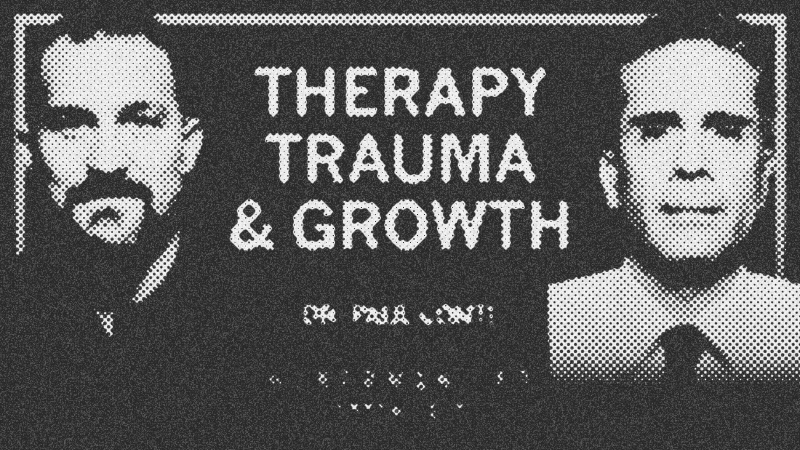
Essentials: Therapy, Treating Trauma & Other Life Challenges | Dr. Paul Conti
WatchAndrew Huberman // 33:24

The Huberman Lab podcast is hosted by Andrew Huberman, Ph.D., a neuroscientist and tenured professor in the department of neurobiology of ophthalmology, and by courtesy, psychiatry and behavioral sciences at Stanford School of Medicine. The podcast discusses neuroscience and science-based tools, including how our brain and its connections with the organs of our body control our perceptions, our behaviors, and our health, as well as existing and emerging tools for measuring and changing how our nervous system works.