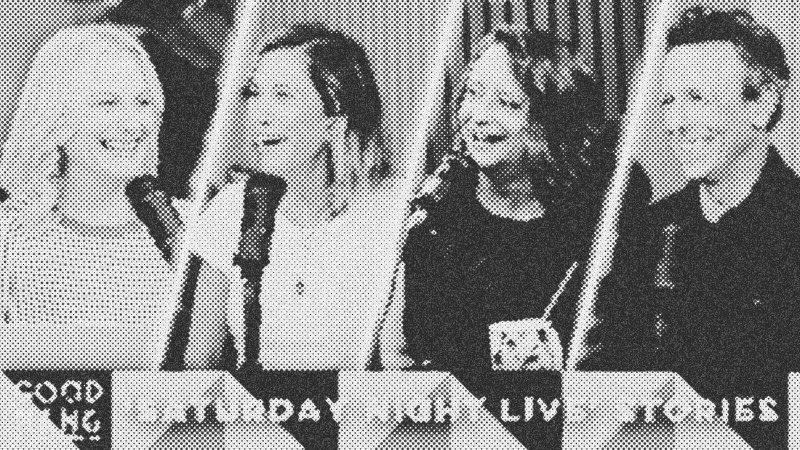
possess a unique atmospheric pressure, a localized weather system where the oxygen is composed entirely of adrenaline and sleep deprivation. It is a place where the line between professional triumph and personal meltdown is thinner than a piece of trace paper. Within this cavernous architecture, a specific tribe of creators has spent decades forging a brand of comedy that feels less like a polished television product and more like a collective fever dream. To understand the gravity of
acts as a high priestess of this lore, gathering the disparate voices of the show’s history to recount the moments that never made it to air, or the ones that did only by the grace of a last-minute costume change. This is the starting point for a narrative about the show's endurance: it isn't just about the jokes, but the specific, shared language of the people who survive the grueling production cycle. The stories aren't merely anecdotes; they are artifacts of a culture that thrives on the edge of chaos, where a photographer like
, the eye behind the iconic bumper portraits, describes a workflow that would paralyze most creative professionals. She operates in a space where conceptual ideas often arrive ninety minutes before they must be executed. This high-velocity collaboration with costume designer
with an apple balanced on her head. The final image captures a serene, perhaps cult-like elegance, but the reality involves a human hand reaching from the shadows to stabilize the fruit. The decision to leave the "creepy hand" in the frame reflects the show's core philosophy: perfection is the enemy of the interesting. This willingness to embrace the jagged edges of creativity allows for moments of spontaneous genius, like turning
during a meal break using a borrowed left-handed bass and a hastily styled wig. The show functions as a documentary of the exact minute it is being made, capturing the anxiety and the electricity of the cultural zeitgeist in real time.
The Intimacy of Professional Exhaustion
When the cameras stop rolling, the 17th floor of 30 Rock becomes a sanctuary of shared exhaustion.
recalls the quiet, often tearful moments in the offices where the weight of the week finally catches up to the cast. In these instances, the support staff becomes the emotional glue.
, a long-time cleaning lady who had witnessed decades of SNL’s revolving doors, would find performers at their lowest points. Her simple, surreal mantra—"Don't cry, sexy"—offered a bizarre yet effective form of comfort that only makes sense within the vacuum of the show. It highlights a recurring theme in the lives of these comedians: the need for a witness to their struggle who isn't judging the quality of their next sketch.
This intimacy extends to the power dynamics of the industry.
dryly noted he doesn't wear a three-button suit, it wasn’t just a fashion critique; it was a collision between the gravity of global politics and the absurdity of the SNL costume shop. This friction between the monumental and the ridiculous is where the show finds its most potent satirical energy.
The Breaking Point and the Art of the Flub
The turning point for many performers is the moment they stop trying to control the show and let the show control them.
suggested by a therapist, the character of Debbie was a vessel for the uncomfortable truth that some people simply cannot help but poison the well of joy. When the sketch finally hit the air, the combination of a live trombone, aggressive camera zooms, and the cast's inability to maintain composure transformed it into a piece of television history.
Breaking character is often seen as a failure of discipline, but in the context of
struggle to deliver lines about feline AIDS while her lip quivered with suppressed laughter offered a serotonin boost that a perfectly executed sketch could never provide. It was the sound of the pressure valve finally releasing. These moments represent a surrender to the absurdity of the job, a realization that sometimes the funniest thing happening on stage is the fact that everyone is failing to do their job correctly.
Legacy and the Nerd-Girl Conundrum
As the show approaches its half-century mark, the veterans look back with a mixture of reverence and regret.
reflect on the "A-student" anxiety that defined their tenures. The constant awareness of the clock, the fear of a sketch being cut, and the explosive surplus of talent meant that many performers never fully inhabited the joy of the moment while they were in it. They were too busy keeping the ship from sinking. It is only in retrospection, or during grand reunions at
, they could finally demand that the world "settle." They took their time, leaned into the silence, and forced a room full of "cool people" to acknowledge the power of the dorky, the earnest, and the deeply silly.
The Enduring Resonance of the Dumb
The ultimate lesson of the SNL experience is that "dumb" is often the highest form of praise. Whether it is
spending forty seconds looping a scarf around his neck in a sketch that never even aired, the commitment to the bit is what matters. The show teaches its disciples that the most profound cultural insights often come wrapped in the most ridiculous packages.
We learn that the process of creation is inherently messy, traumatic, and collaborative. The stories of the Black Crows' pot, the "Honk It" sketch that
watching his old auditions all point to the same truth: the show is a living organism. It evolves, it makes mistakes, and it occasionally breaks. But in its survival, it provides a mirror to our own anxieties, reminding us that even in the middle of a blizzard, sometimes the best thing you can do is grab a sled and hope for the best.