The Anatomy of a Guffaw: Deconstructing the 'Good Hang' Guide to Comedy
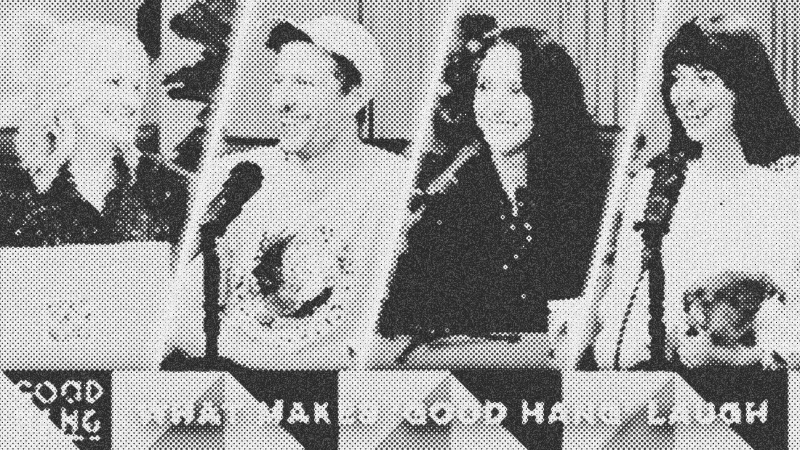
Humor is often the most guarded part of our psyche. It reveals what we find absurd, what we find comforting, and occasionally, what we find secretly terrifying. In a sprawling collection of insights from the Good Hang series, host Amy Poehler and a roster of comedy heavyweights—including Quinta Brunson, Seth Meyers, and Kristen Wiig—strip away the artifice of professional performance to discuss the raw, unedited content that actually makes them lose their cool. This is not a list of high-brow cinema; it is a dive into the chaotic, the digital, and the deeply human triggers that bypass our intellectual filters and hit the funny bone with surgical precision.
The Digital Wild West and the AI Uncanny
There is a specific kind of modern dread associated with AI-generated content, yet it has birthed a niche of comedy that thrives on the bizarre. Dakota Johnson admits to a fixation on an AI cat that lives out a life of surprisingly dark narrative arcs. This isn't just about a cute animal; it’s about the absurdity of a digital feline that drugs its animal friends, cooks them, and then hosts funerals for them. This sub-genre of "maniacal" content works because it leans into the 'uncanny valley.' When Dakota Johnson describes her guilt over watching these videos, she is touching on a broader cultural moment: we are increasingly entertained by things that shouldn't exist. The humor comes from the friction between the harmless aesthetic of a cat video and the cold, illogical violence of the AI’s generated script.
The Gospel of the Live Blooper
Professionalism is a thin veneer, and nothing delights a comedian more than seeing that veneer crack. Seth Meyers and Amy Poehler discuss the eternal appeal of news bloopers, specifically the "gay blind mountain climber" incident. The comedy here is mechanical. It relies on the high-stakes environment of a live broadcast where a single verbal slip becomes an immortal error.
There is a psychological relief in watching someone else fail in a public, professional setting. It is the antithesis of pretension. As Seth Meyers notes, there is something celebratory about seeing two news anchors reduced to tears on the floor because they simply cannot maintain their composure. It reminds us that despite the teleprompters and the suits, the human element—the part of us that is defenseless against a fit of giggles—is always lurking just beneath the surface.
British Breaking and the Art of the Panel Show
For the American viewer, British comedy often represents a more restrained, deadpan tradition. This makes the "corpsing" (breaking character) of British performers even more satisfying. Quinta Brunson highlights her fascination with 8 Out of 10 Cats Does Countdown and other panel shows where the goal is to make your peers break.
The appeal lies in the struggle. Watching a comedian like Jimmy Carr or his guests fight to keep a straight face provides a meta-layer of entertainment. We aren't just laughing at the joke; we are laughing at the professional's inability to withstand the joke. It turns comedy into a competitive sport where the first person to smile loses, yet the audience wins. This obsession with the 'break' highlights a universal truth: we value authenticity above all else, and a genuine, unplanned laugh is the most authentic thing a performer can give.
The Comfort of Relatable Chaos
Sometimes the funniest things are the ones that require the least amount of context. Kathryn Hahn and Amy Poehler discuss the specific joy of Homecoming, not as a polished concert film, but as a catalyst for TikTok recreations. There is a deep, resonant humor in watching a mother in a laundry room attempt the high-octane choreography of Beyoncé.
This is 'aspirational failure.' We see the peak of human performance (Beyoncé) mirrored by the reality of everyday life. Similarly, Kathryn Hahn points to the Farmer Wants a Wife reality franchise. The comedy here is found in the discomfort—the "nightmare" of city women being forced into manual labor to win the heart of a man they barely know. It’s a voyeuristic brand of humor that allows us to process our own social anxieties through the lens of televised absurdity.
Cult Classics and the Nostalgia Filter
For many of these guests, the foundations of their humor were laid in the late 80s and early 90s. Hayley Williams speaks of Wayne's World as her "Godfather," a film that dictated how she thought adults should dress and behave. The enduring legacy of Mike Myers and Dana Carvey lies in their ability to create a world that felt both hyper-specific and completely inclusive.
The discussion of The Naked Gun: From the Files of Police Squad! and Airplane! underscores a longing for the "pure joke"—the kind of surrealist, slapstick comedy where a giant banana can be hanging out of a character's mouth without anyone acknowledging it. In an era where comedy is often burdened by social commentary or complex narratives, there is a refreshing, almost radical honesty in content that exists solely to make you laugh until you can’t breathe.
Why We Need the 'Spit Take'
At the end of the day, comedy is a survival mechanism. Whether it’s Seth Meyers suggesting that hospitals should play blooper reels for patients or Amy Poehler celebrating a genuine spit take from Quinta Brunson, the message is clear: laughter is a communal necessity. It’s a way to bridge the gap between our public personas and our private selves. By sharing what makes them laugh—from Australian drain cleaners to toddlers getting glasses—these cultural icons remind us that humor isn't about being smart or sophisticated. It's about being human, being messy, and occasionally, watching a dog attack a slice of celery.
- Amy Poehler
- 11%· people
- Seth Meyers
- 11%· people
- Quinta Brunson
- 9%· people
- Beyoncé
- 6%· people
- Dakota Johnson
- 6%· people
- Other topics
- 57%
What Makes the Guests of 'Good Hang' Laugh | Good Hang with Amy Poehler
WatchGood Hang with Amy Poehler // 44:38

Come hang with Amy Poehler. Each week on her podcast, she'll welcome celebrities and fun people to her studio. They'll share stories about their careers, mutual friends, shared enthusiasms, and most importantly, what's been making them laugh. This podcast is not about trying to make you better or giving advice. Amy just wants to have a good time.