The Culinary Cadence: Charlie Puth on Yacht Rock, Sonic Textures, and the Heat of the Moment
The Anatomy of a Modern Yacht Rock Anthem
When we discuss the technical precision of Charlie Puth, we aren't just talking about a singer; we are examining a producer with a surgical eye for arrangement. His recent work on Whatever's Clever highlights a sophisticated revival of the "Yacht Rock" aesthetic. This isn't merely a nostalgic nod; it is a masterclass in harmonic complexity. Puth defines the genre through its "jazzy chord structures," specifically the use of suspended chords and expanded triads that add color and depth.
In his collaboration with Michael McDonald and Kenny Loggins, Puth emphasizes the importance of the "dry drum" sound found in Steely Dan's seminal album Aja. By keeping the percussion punchy and immediate while allowing the background elements to remain "wet" with reverb, producers create a sonic landscape that bridges the gap between 1970s sophistication and modern hip-hop foundations. This contrast between the dry and the ethereal is what gives the music its characteristic weight and luxury.
The Delicate Balance of the Songwriter's Hook
For an educator in the culinary or musical arts, the concept of "too much of a good thing" is a constant threat. Puth describes his songwriting process as a tightrope walk between the boring and the annoying. The goal is to find the "50% mark"—just enough repetition to create a resonance with the listener without the glass overflowing into irritation.
He cites the legendary repetition in songs like "My Sharona" to illustrate how rhythm and hook must interact. If a melody stays at 51% repetition, it risks becoming a gimmick. This mirrors the culinary world: a dish needs a signature flavor to be memorable, but over-indexing on that ingredient ruins the palate. Successful hooks rely on these tiny increments of familiarity that satisfy the brain's desire for pattern without exhausting its patience.
Sonic Choices as Narrative Devices
Puth posits that in high-level production, the sound itself is the lyric. This is a profound shift from viewing instrumentation as mere accompaniment. He points to his hit We Don't Talk Anymore, arguing that the specific texture of the guitar is non-negotiable. Substituting a piano would render the track "too delicate," fundamentally altering the emotional weight of the words.
The frequency and timbre of an instrument carry an emotional payload. This "sonic texture" communicates the mood before a single word is uttered. Puth explores the frequency of sadness, noting how a happy melody paired with a tragic lyric creates a complex, bittersweet emotional response—a technique he uses to ensure his music feels layered and human rather than one-dimensional.
From New Jersey Hustle to Global Influence
The journey from making beats in a New Jersey bedroom to performing at Madison Square Garden is paved with harsh feedback and relentless persistence. Puth credits his growth to early, blunt critiques from Kara DioGuardi, who pushed him to embrace collaboration.
By moving away from isolation and working with different creative minds—like Pharrell Williams in the early hours of the morning—Puth accesses different parts of his cognitive process. This openness to external influence, combined with a deep respect for foundational techniques (from the xylophone at music camp to the complex "tension and release" of the Star Spangled Banner), defines his current approach to the pop music landscape.
Conclusion: The Persistence of the Artist
Whether enduring the extreme capsaicin of the Last Dab Thermageddon or the rejection of a record executive, the underlying theme of Puth’s career is a devotion to the craft. He views the current music industry as a meritocracy where "the best song wins," a landscape that rewards technical skill and authentic emotional resonance over gatekept formulas. For Puth, every experience—from the perfect New York pizza slice to the most painful hot wing—is fuel for the next creative endeavor.
- Aja
- 6%· albums
- Charlie Puth
- 6%· people
- Jeff Goldblum
- 6%· people
- Kara DioGuardi
- 6%· people
- Kenny G
- 6%· people
- Other topics
- 71%
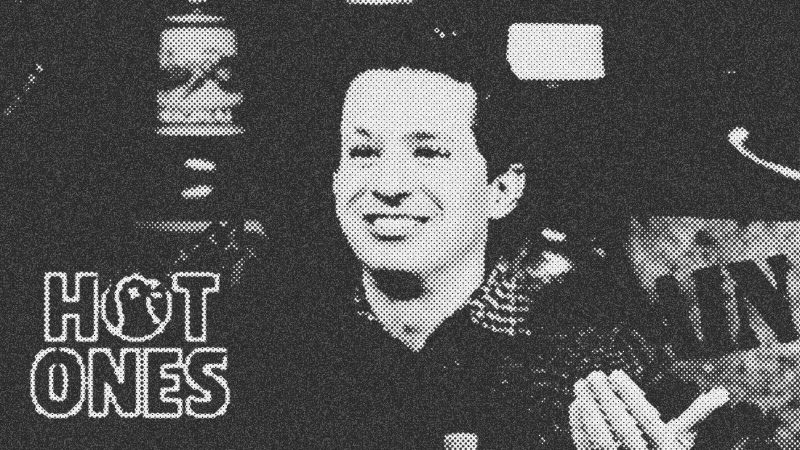
Charlie Puth Beats Himself Up While Eating Spicy Wings | Hot Ones
WatchFirst We Feast // 21:57

HOT ONES For every question that they field from host Sean Evans, guests must join him in eating a progressively spicy chicken wing. HOT ONES VERSUS Celebrities compete against each other in a revealing head-to-head contest with The Last Dab. HEAT EATERS In this ultimate spicy food adventure, chef Esther Choi hits the streets to eat her way through the world's spiciest cuisines, and gain a deeper appreciation for the chili pepper. PRO MOVES Food TV icon Adam Richman shares tips, tricks, and pro moves to help you get the most out of any eating experience—so you can act like you've been there before. HOT ONES WING PONG Fiery Death Wings collide with your favorite backyard party game as celebrities take turns sinking shots and answering questions until one team wins! HOT KITCHEN Chef Christian Alquiza embarks on zany, spice-fueled cooking missions, combining major heat and major technique.