Asphalt Chaos: A Tactical Review of GTA 5 Random Racing Mechanics
The Volatility of Random Vehicle Transitions
Random racing in GTA 5 presents a unique competitive landscape where mechanical skill often takes a backseat to adaptability. The core challenge lies in the unpredictable nature of vehicle transitions at specific checkpoints. Unlike standard racing where a driver masters a single power band and braking profile, these events force a complete recalibration of driving physics every few hundred meters. A driver might transition from a high-downforce Formula E car vehicle directly into a lumbering Caddy or a high-torque drift car. This creates a tactical paradox: pushing to the absolute limit is risky because the next vehicle might possess entirely different weight distribution or braking distances, leading to catastrophic errors during the transition phase.
Strategic Braking and Understeer Management
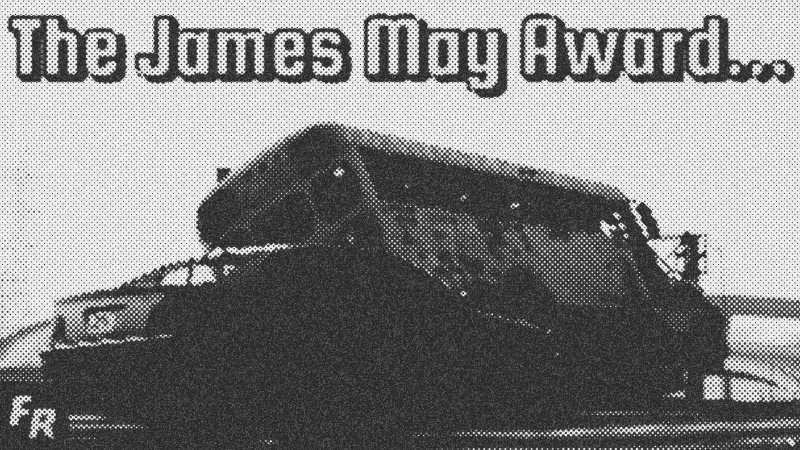
Success in this chaotic format requires a deep understanding of varied vehicle archetypes. During the sessions, the impact of "ghost mode" at the start allows for aggressive positioning, but the true separation occurs in the technical chicanes. Drivers often struggle with "drift" variants—vehicles specifically tuned for sliding rather than grip. When the game forces a drift-spec Jester or Tampa onto the track, the optimal strategy shifts from traditional racing lines to damage limitation. Maintaining momentum in these sub-optimal vehicles is more about throttle control than raw speed. A single mistake, such as hitting a tire bundle hidden behind a wall, can negate a twelve-second lead instantly, as seen when the transition into a Caddy allowed the chasing pack to close a massive gap.
Performance Breakdown: High-Tier vs. Low-Tier Luck
The performance delta between vehicle classes is the primary driver of track position. A lap record of 1:27.4 was achieved using the Kuruma Very Time Attack edition, a vehicle that offers immense grip and acceleration compared to the rest of the field. Conversely, being stuck in a Brioso Classic or a catering truck leads to lap times exceeding 1:41.0. This fourteen-second variance highlights the "luck of the draw" element. However, top-tier performance isn't just about getting fast cars; it's about surviving the "dead zones" where the game provides vehicles like the Stafford or the Panto. Competitors who can maintain a consistent pace even in underpowered vehicles are the ones who capitalize most when they finally roll a supercar.
Critical Moments and the Five-Wide Chicane
The most intense tactical moment occurred during the final lap of the second race. A grouping of five vehicles, including the Insurgent and the Hawk Missile, entered the technical section simultaneously. In this scenario, the heavy weight of the Insurgent acts as a physical deterrent, allowing the driver to "intimidate" lighter cars out of the preferred line. While Amy secured a comfortable victory due to a superior vehicle roll in the final stages, the battle for second place was decided by navigation through this traffic. Drivers who took the outside line were often forced wide, but those who executed a "cut back" maneuver on the interior found the space needed to secure podium positions.
Future Learnings for the Random Format
The takeaway for future random races is the necessity of "checkpoint awareness." Knowing where the next car change occurs allows a driver to adjust their entry speed. If the upcoming vehicle is likely to be a heavy truck or a drift car, entering the checkpoint with a stable chassis is more important than carrying maximum velocity. Furthermore, the reverse-layout tracks prove that familiarity with the environment is just as critical as vehicle mastery. Even the most seasoned drivers can overshoot a corner if they focus too much on their rivals rather than the specific nuances of the circuit layout.
- Caddy
- 12%· products
- Insurgent
- 12%· products
- Amy
- 6%· people
- Brioso Classic
- 6%· products
- Danger Man
- 6%· people
- Other topics
- 59%
The James May Award... - Gta 5 Random Racing
WatchFailRace // 25:25

FailRace is a place where cars are raced, rolled, put through incredible challenges and sometimes crashed rather spectacularly all for your entertainment on some of the best driving video games around. If you are feeling super generous you can help support this channel on patreon :), the link can be found below