The Soul of the City: How Jonas Reindl Redefined Viennese Coffee
A Bridge Between Eras
In the heart of Vienna, where the echoes of century-old coffee houses still resonate against cobblestone streets, Philip Feyer embarked on a mission to modernize a legend. When Jonas Reindl Coffee Roasters opened in 2014, it didn't just serve caffeine; it anchored itself in the local identity. The name itself—a reference to a famous subway station—acts as a linguistic wink to the locals. It signals that while the beans might be specialty, the heart of the operation remains strictly Viennese. This intentional connection allowed Feyer to introduce a "second wave" of specialty culture without alienating a public raised on tradition.
The Alchemy of the Roast
The evolution from barista to roaster represents a natural progression in the pursuit of quality. Feyer didn't tuck his roasting operation away in an industrial park; he placed it front and center in his second shop. This transparency turns a technical process into a sensory performance. By using sophisticated tools like Cropster, Feyer meticulously tracks variables like moisture loss and development time. This data-driven approach ensures that every batch of Guatemala filter coffee meets a standard of excellence that transcends mere habit. It is about understanding the "why" behind every flavor note.
Global Roots and Local Palates
True excellence in the cup starts thousands of miles away in the highlands of Nicaragua. Feyer maintains a direct relationship with Ulrich Solomun at Finca Los Alpes, a farm ironically named after the Austrian Alps. This partnership isn't just a business transaction; it is a shared obsession. By controlling the supply chain, the roastery bridges the gap between the producer’s labor and the guest’s satisfaction. It allows the team to offer a menu that respects the past—serving a "Melange" to those who ask—while gently introducing them to a broader world of untapped acidity and floral complexities.
The Art of Educational Hospitality
The ultimate achievement for any culinary educator is the shift in a student's perspective. Feyer views every order as an opportunity for subtle education. He meets guests where they are, acknowledging their love for the drink while expanding their boundaries. This journey proves that you don't have to discard heritage to embrace innovation. Instead, you use that heritage as a foundation to build a more nuanced, flavor-forward future. The lesson is simple: respect the ingredient, honor the history, but never stop refining the technique.
- Cropster
- 13%· products
- Finca Los Alpes
- 13%· places
- Guatemala
- 13%· places
- Jonas Reindl Coffee Roasters
- 13%· companies
- Nicaragua
- 13%· places
- Other topics
- 38%
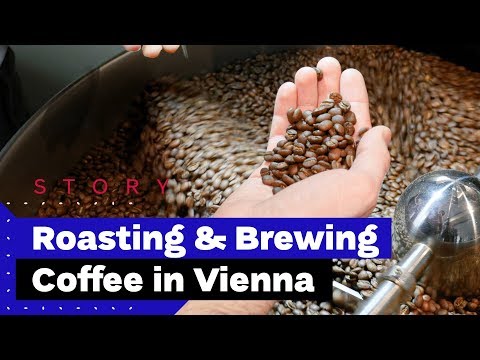
A Story of Jonas Reindl Coffee Roasters in Vienna
WatchEuropean Coffee Trip // 9:12

We love specialty coffee and making videos about it. Back in 2014, we decided to visit the best coffee shops in Europe and our exploration of coffee still continues! On this channel, we share coffee guides, tips & tricks on how to brew tasty coffee at home and reviews of some cool new coffee makers and gadgets. Our work outside of YouTube: ☕️ A guide to speciality coffee shops in Europe (+6000 listings): https://europeancoffeetrip.com/app 📺 A documentary film about the AeroPress: https://vimeo.com/ondemand/aeropressmovie Our goal is to get you excited about specialty coffee so you learn how to make better coffee at home or find a coffee shop with skilled baristas and tasty coffee!