The Barista's Science of Rest: Why Fresh Coffee Isn't Always Best
The Paradox of Freshness
Most coffee enthusiasts believe that the closer a bean is to its roast date, the better the cup. However, World Barista Champion Gwilym Davies argues that excessive freshness is a barrier to quality. Roasting generates CO2 and volatile aromas within the bean. If you brew too early, that gas actively pushes against the water, creating resistance that prevents a full, balanced extraction. You aren't just fighting the bean; you are fighting physics. This guide ensures you understand the aging curve to serve peak-flavor coffee.
Tools for Freshness Management
To monitor and manage your coffee's lifecycle, you need a few essential items.
- Opaque Airtight Containers: Avoid clear glass; UV light degrades coffee oils.
- Digital Scale: Essential for adjusting the dose when dealing with high CO2 levels.
- Roast Date Log: Track every bag to ensure proper resting times.
- Precision Grinder: Necessary for the finer adjustments required as beans degas.
Step-by-Step Instructions for Coffee Management
- Rest Your Beans: For filter coffee, wait at least five days post-roast. For Espresso, wait at least 14 days. This allows CO2 to escape, preventing the "sparkling water" acidity and fizzy mouthfeel of carbonic acid.
- Monitor the Crema: If your espresso pours with high volume but the crema disappears instantly leaving large bubbles, the coffee is too fresh.
- Check Your Latte Art: Look at the brown portions of your design. Small bubbles breaking up the surface are a telltale sign of trapped gas in light roasts.
- Seal and Store: Once a bag is opened, use it rapidly. Never leave beans in the hopper overnight; oxygen is the enemy that causes flat, oxidized flavors.
- Environment Control: Store coffee in a cool, dry place. Heat accelerates degassing, making the coffee's behavior unpredictable.
Troubleshooting Overly Fresh Coffee
If you must use coffee that hasn't rested sufficiently, adjust your technique. Grind the coffee finer to expose more surface area and encourage gas release. Because CO2 adds resistance, you should reduce your dose and increase your water yield to bypass the gas and reach the soluble solids that hold the sweetness.
The Reward of Patience
By respecting the degassing process, you transform a sharp, unbalanced cup into a rounded, glossy masterpiece. The goal is a syrupy texture and sweetness that only comes when the gas steps aside for the flavor.
- Ales
- 17%· people
- Cappuccino
- 17%· products
- Espresso
- 17%· products
- European Coffee Trip
- 17%· companies
- Gwilym Davies
- 17%· people
- Petra Davies
- 17%· people
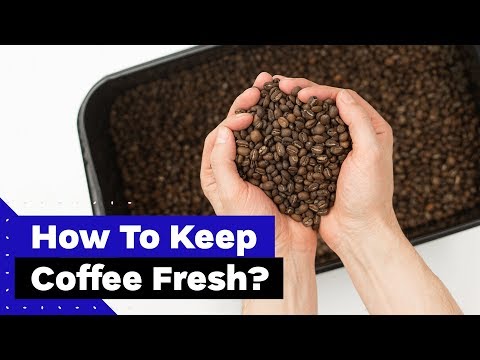
Barista's Guide To Coffee Freshness w/ Gwilym Davies
WatchEuropean Coffee Trip // 7:20

We love specialty coffee and making videos about it. Back in 2014, we decided to visit the best coffee shops in Europe and our exploration of coffee still continues! On this channel, we share coffee guides, tips & tricks on how to brew tasty coffee at home and reviews of some cool new coffee makers and gadgets. Our work outside of YouTube: ☕️ A guide to speciality coffee shops in Europe (+6000 listings): https://europeancoffeetrip.com/app 📺 A documentary film about the AeroPress: https://vimeo.com/ondemand/aeropressmovie Our goal is to get you excited about specialty coffee so you learn how to make better coffee at home or find a coffee shop with skilled baristas and tasty coffee!