The Two-Minute Cold Brew: Revolutionizing the AeroPress Technique
The Science of Rapid Cold Extraction
Traditional cold brew relies on time—often twelve to twenty-four hours—to slowly dissolve flavor compounds without the heat that triggers acidity. However, Alan Adler, the inventor of the AeroPress, has fundamentally challenged this paradigm. By increasing the mechanical energy through vigorous stirring, you can extract a rich, aromatic profile using room-temperature water in a fraction of the time. This method doesn't just save hours; it changes the texture of the final cup, offering a sweetness and clarity that mimics high-end filter coffee.
Essential Tools and Materials
Precision is the bedrock of any culinary achievement. To execute this technique, you will need:
- 15 grams of freshly roasted coffee (ideally an Ethiopian coffee)
- An AeroPress brewer and paper filter
- A high-quality grinder, such as the Comandante Grinder
- Room-temperature water and ice for dilution
- A sturdy stirring paddle or spoon
Step-by-Step Instructions
- Prepare the Grind: Grind your 15 grams of coffee to a very fine setting, similar to espresso. This high surface area is critical for rapid extraction in the absence of heat.
- Add Water: Place the coffee in the AeroPress and add room-temperature water up to the "1" mark on the chamber (approximately 60–70 ml).
- The Minute Stir: This is the transformative step. Stir the slurry continuously and gently for exactly 60 seconds. This constant agitation replaces the need for long steeping times.
- The Gentle Press: Insert the plunger and press down slowly. If you encounter heavy resistance, pause. Let the air pressure do the work.
- Dilute and Chill: The result is a concentrated brew. Top it with ice-cold water or fresh ice cubes to suit your strength preference.
Troubleshooting Your Technique
If your coffee tastes thin, your grind is likely too coarse. Use a setting like eight clicks on a Comandante Grinder to ensure the water stays in contact with the grounds long enough. If you struggle with "blow-by"—where water bypasses the coffee—consider the inverted method. This allows you to control the steep time perfectly before flipping the unit to press. The goal is a balanced cup that displays the natural acidity and floral notes of the bean without the bitterness of over-extraction.
- AeroPress
- 30%· products
- Comandante Grinder
- 20%· products
- Alan Adler
- 10%· people
- Ales
- 10%· people
- doubleshot coffee roasters
- 10%· products
- Other topics
- 20%
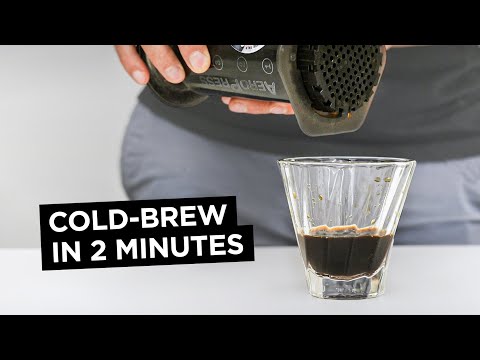
How to AeroPress Cold-Brew Coffee in Two Minutes
WatchEuropean Coffee Trip // 5:13

We love specialty coffee and making videos about it. Back in 2014, we decided to visit the best coffee shops in Europe and our exploration of coffee still continues! On this channel, we share coffee guides, tips & tricks on how to brew tasty coffee at home and reviews of some cool new coffee makers and gadgets. Our work outside of YouTube: ☕️ A guide to speciality coffee shops in Europe (+6000 listings): https://europeancoffeetrip.com/app 📺 A documentary film about the AeroPress: https://vimeo.com/ondemand/aeropressmovie Our goal is to get you excited about specialty coffee so you learn how to make better coffee at home or find a coffee shop with skilled baristas and tasty coffee!