The Science of the Sip: Unlocking Coffee's True Health Potential
Beyond the Morning Ritual
For many, coffee is a necessary fuel, a dark liquid that bridges the gap between sleep and productivity. Yet, the conversation surrounding its health impact remains riddled with confusion. True culinary appreciation requires understanding not just the flavor profile, but the biological impact of the Coffee we consume. Expert Dani Hofstetter suggests that despite years of conflicting nutritional research, the consensus has shifted toward a celebratory reality: coffee serves as a potent functional food with profound long-term benefits.
The Trifecta of Active Compounds
To master the art of coffee consumption, one must recognize the three primary compounds at play: caffeine, chlorogenic acid, and diterpenes. While caffeine acts as the immediate stimulant, mimicking adrenaline and blocking adenosine receptors to combat drowsiness, it is the Chlorogenic acid that performs the heavy lifting for our longevity. This powerful antioxidant quenches oxidative species that damage cell membranes. In fact, for those who neglect their vegetable intake, coffee often serves as the primary source of antioxidants in their diet.
Long-Term Health and Disease Prevention
Scientific evidence, including a massive 2017 study in the British Medical Journal, correlates regular consumption with a significant reduction in cardiovascular mortality. The benefits extend into oncology and neurology, showing a reduced risk for prostate cancer, melanoma, and Parkinson's disease. Furthermore, coffee assists the liver in metabolizing fat, lowering the risk of type 2 diabetes and chronic liver conditions. This isn't just a beverage; it’s a preventative tool when prepared with care.
Optimizing the Brew and Timing
The "sweet spot" for health benefits lies between three to five cups per day. In the culinary world, we often prefer lighter roasts, which conveniently retain higher levels of antioxidants compared to their darker counterparts. Regarding preparation, Filter coffee excels at removing diterpenes like cafestol, which can influence cholesterol, though the effect remains marginal. For those sensitive to the stimulant, avoid consumption after 4 p.m. to respect the body's natural sleep cycle.
Conclusion: A Respectful Relationship
Respecting the ingredient means knowing when to moderate. Pregnant women should limit intake to 200mg—roughly two cups—due to slower caffeine clearance. However, for the general population, coffee remains a remarkably safe and beneficial addition to a gourmet lifestyle. Whether you prefer a sharp Espresso or a clean pour-over, coffee stands as a testament to how a simple bean can profoundly enhance human vitality.
- Alex
- 8%· people
- British Medical Journal
- 8%· organizations
- Caffeine
- 8%· products
- Chlorogenic acid
- 8%· products
- Coffee
- 8%· products
- Other topics
- 62%
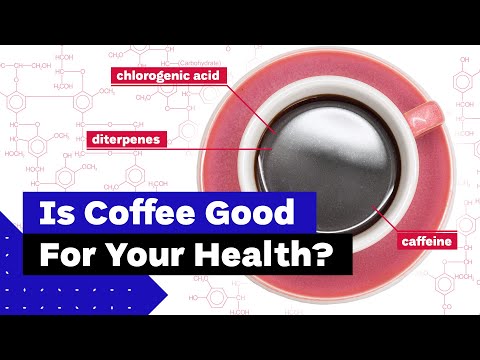
Is Coffee Good For You? Coffee Health Benefits Explained!
WatchEuropean Coffee Trip // 18:04

We love specialty coffee and making videos about it. Back in 2014, we decided to visit the best coffee shops in Europe and our exploration of coffee still continues! On this channel, we share coffee guides, tips & tricks on how to brew tasty coffee at home and reviews of some cool new coffee makers and gadgets. Our work outside of YouTube: ☕️ A guide to speciality coffee shops in Europe (+6000 listings): https://europeancoffeetrip.com/app 📺 A documentary film about the AeroPress: https://vimeo.com/ondemand/aeropressmovie Our goal is to get you excited about specialty coffee so you learn how to make better coffee at home or find a coffee shop with skilled baristas and tasty coffee!