The Cradle of Flavor: Unpacking the Complexity of Ethiopian Coffee
The Ancestral Heart of Specialty Coffee
Ethiopia stands as the singular birthplace of Coffee, providing a genetic diversity and flavor range unmatched by any other origin. For experts at Trabocca, this region represents more than just a source; it is the cornerstone of their supply chain. The sheer variety of profiles—from floral and citric to deep, winey fruit notes—stems from a history where the plant evolved naturally. Unlike the monocultures found in South America, the Ethiopian landscape offers a library of wild varieties that keep the palate constantly engaged.
Cultural Rituals and the Popcorn Tradition
In Ethiopia, coffee consumption is a sacred social ritual rather than a quick morning fix. The traditional coffee ceremony serves as the society's heartbeat. Guests witness the lady of the house roast green beans over an open flame and grind them by hand before brewing. Perhaps most surprising to Westerners is the traditional accompaniment: Popcorn. Served instead of a biscuit or pastry, the salty, airy snack provides a textural contrast that honors the beverage's earthy notes. This deep-rooted respect for the bean permeates daily life, with families often drying their personal harvests on rooftops or in small garden plots.
Forest-Grown Sustainability and Smallholder Reality
Modern Ethiopian cultivation defies the image of the industrial plantation. Most cherries grow within "coffee forests" under a dense canopy of shade trees. This natural environment preserves biodiversity and protects the delicate soil. The supply chain relies on millions of smallholders—farmers managing just one to five hectares. For these families, coffee acts as the primary cash crop, supplemented by food crops for subsistence. Navigating this system requires a sophisticated understanding of private washing stations and cooperatives, as each path significantly alters the final cup's profile and certification status.
The Power of Origin and Global Connection
Understanding coffee requires leaving the roastery and stepping onto the wet mill floor. Seeing the mechanical rhythm of processing and the meticulous drying stages transforms a barista's technical knowledge into true expertise. Despite the remote nature of many farms, technology is bridging the gap. Digital boards in rural squares now display real-time global market prices, empowering farmers with the same data used by traders in Europe. This transparency, coupled with a collaborative specialty community, ensures that the journey from an Ethiopian forest to a ceramic cup remains a shared triumph of craft.
- Asia
- 11%· places
- Cerianne Bury
- 11%· people
- Coffee
- 11%· products
- Ethiopia
- 11%· places
- Europe
- 11%· places
- Other topics
- 44%
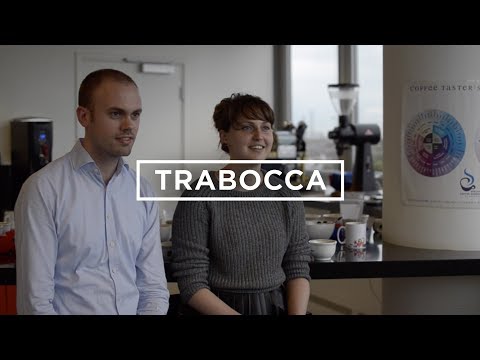
Exploring Ethiopian Coffee With Trabocca
WatchEuropean Coffee Trip // 9:23

We love specialty coffee and making videos about it. Back in 2014, we decided to visit the best coffee shops in Europe and our exploration of coffee still continues! On this channel, we share coffee guides, tips & tricks on how to brew tasty coffee at home and reviews of some cool new coffee makers and gadgets. Our work outside of YouTube: ☕️ A guide to speciality coffee shops in Europe (+6000 listings): https://europeancoffeetrip.com/app 📺 A documentary film about the AeroPress: https://vimeo.com/ondemand/aeropressmovie Our goal is to get you excited about specialty coffee so you learn how to make better coffee at home or find a coffee shop with skilled baristas and tasty coffee!