Wacaco Nanopresso: Mastering Portable Espresso Technique
Portable Engineering and Build Quality
The Wacaco Nanopresso represents a significant leap in mobile brewing technology. Weighing only 340 grams, it utilizes a sturdy polypropylene construction that manages to feel professional rather than flimsy. The design centers around a semi-automatic piston that allows users to exert 18 bars of pressure. While the technical necessity of such high pressure is debatable—standard espresso extraction usually requires only six to nine bars—the headroom ensures that even a coarse grind or inconsistent tamping won't stall the machine. The inclusion of a dedicated travel case that mimics the sleek aesthetic of high-end audio gear further emphasizes its position as a premium tool for the traveling gourmand.
The Ritual of Extraction
Success with this device hinges on thermal management. Because the unit is plastic, it loses heat rapidly. You must preheat the water tank and internal channels with boiling water before adding coffee. For the grind, use a high-quality manual tool like the Comandante Grinder set to roughly nine clicks. This fine, uniform grind, combined with a steady pumping rhythm of one press per second, creates a 1:2.5 ratio. This results in about 20 grams of liquid from an 8-gram dose. The output is remarkably fluffy with a pale, stable crema that surprises most traditionalists.
Pressurized vs. Non-Pressurized Brewing
The Wacaco Nanopresso defaults to a pressurized portafilter system. This creates an "artificial" crema by forcing coffee through a narrow valve, making the brewing process incredibly forgiving for beginners. Removing the orange plastic valve transforms the unit into a non-pressurized machine. While this "hack" yields more complex aromatics and clearer flavor notes, it also results in a thinner, more watery body. For most users, the pressurized system actually provides a more satisfying, espresso-like mouthfeel that justifies the device's design.
Final Evaluation and Performance
Compared to the Cafflano Kompresso, the Wacaco Nanopresso offers a far superior user experience. It is easier to clean and significantly more intuitive for those without professional barista training. However, it is not without faults. The danger of hot water leakage during the screwing process requires careful handling, and the maintenance schedule is more demanding than the manual suggests. To avoid rancid flavors from coffee oils, a deep soap cleaning is necessary every few shots. Despite these minor hurdles, its portability and consistency make it the definitive choice for campers and travelers who refuse to compromise on their morning ritual.
- Wacaco Nanopresso
- 43%· products
- Cafflano Kompresso
- 14%· products
- Comandante Grinder
- 14%· products
- Flair Espresso
- 14%· products
- Tomo
- 14%· people
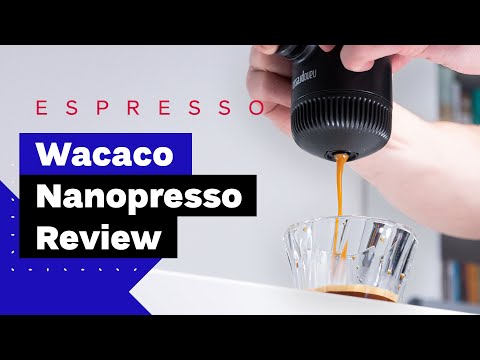
Portable Espresso Maker Review: Wacaco Nanopresso
WatchEuropean Coffee Trip // 12:14

We love specialty coffee and making videos about it. Back in 2014, we decided to visit the best coffee shops in Europe and our exploration of coffee still continues! On this channel, we share coffee guides, tips & tricks on how to brew tasty coffee at home and reviews of some cool new coffee makers and gadgets. Our work outside of YouTube: ☕️ A guide to speciality coffee shops in Europe (+6000 listings): https://europeancoffeetrip.com/app 📺 A documentary film about the AeroPress: https://vimeo.com/ondemand/aeropressmovie Our goal is to get you excited about specialty coffee so you learn how to make better coffee at home or find a coffee shop with skilled baristas and tasty coffee!