The Fallacy of the Near-Term: Navigating the AI Prediction Trap
The Volatility of AI Forecasting
Short-term conviction in the technology sector often masks underlying uncertainty. When analysts and experts project specific outcomes for Artificial Intelligence over compressed timelines, they frequently hit a wall of reality. The current cycle demonstrates that even the most informed voices struggle to maintain accuracy when predicting shifts that occur in months rather than years. This disconnect creates a dangerous environment for those seeking stable growth, as misplaced confidence leads to reactive decision-making.
The Collapse of Doomsday Timelines
Consider the AI27 report, a document once lauded for its prescience regarding the early stages of the generative boom. Despite having an initially strong track record, its later projections for 2027 have increasingly decoupled from observable data. This "doomsday" narrative, which captured the industry's attention a year ago, now appears fundamentally flawed. It serves as a stark reminder that past success in forecasting does not guarantee future accuracy, especially when timelines are rigid and aggressive.
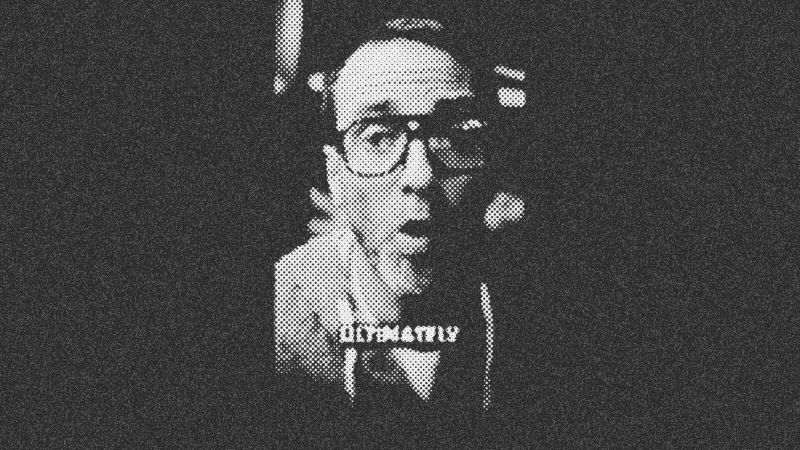
Short-Term Noise vs. Long-Term Signal
Predictive failure stems from the inherent complexity of systemic change. While specific milestones—such as the exact date of a software release or a market peak—are nearly impossible to pin down, the broad trajectory of the technology remains visible. The noise of weekly updates often obscures the signal of generational transformation. Successful wealth management requires distinguishing between these temporary fluctuations and the fundamental shifts that redefine industries.
Cultivating a Resilient Strategy
Prudence dictates a shift in perspective. Instead of chasing the next quarterly prediction, the most effective approach involves a long-term mindset. It is significantly easier to be correct about the ultimate destination of Artificial Intelligence than it is to guess the path it takes next Tuesday. By extending the horizon, we mitigate the risk of being "consistently wrong" alongside the crowd and position ourselves for sustainable, informed growth.
- Artificial Intelligence
- 50%· products
- AI27 report
- 25%· products
- DumbMoneyTV
- 25%· companies
Everyone Predicting AI Is Wrong ❌
WatchDumb Money Live // 1:16

We are Dave Hanson, Chris Camillo & Jordan Mclain. On this channel, we reveal our actual investments and thoughts on the stock market every week. We’re just like you, but we found a way to turn tens of thousands into tens of millions. How? Not by working. We quit our jobs to invest our own money. We find investment ideas in our real lives. Wall Street professionals call people like us “Dumb Money”. They think they’re the only ones smart enough to invest. We’re here to prove them wrong. Unlike most finance gurus, we don’t have anything to sell. No courses, no software. It’s just us. We watch online trends to give our investments a social edge. Our goal is to give everyone tools to make their money work for them, by investing in whatever they’re most passionate about.