Beyond the Chip: The Critical Glass Monopoly Powering AI
The Hidden Infrastructure of Artificial Intelligence
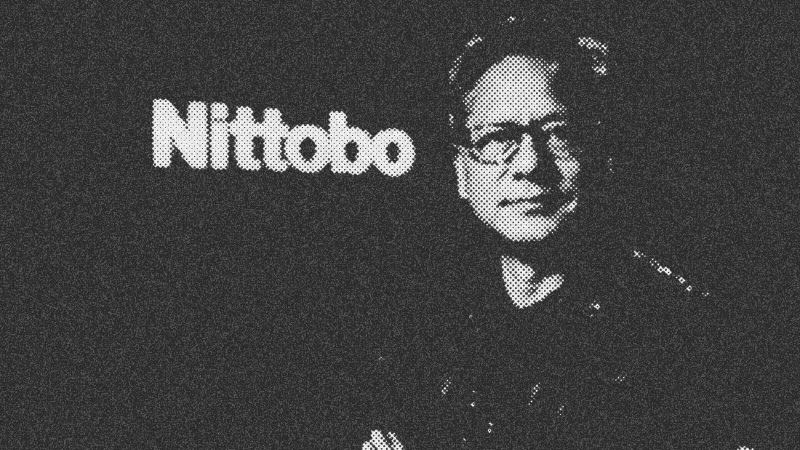
While the market fixates on the flashy performance of NVIDIA or AMD, a silent crisis looms within the physical architecture of the AI revolution. As chips become more powerful, they generate heat and physical stress that threaten the structural integrity of the entire system. Wealth preservation in this sector requires looking past the logic gates and into the fundamental materials that prevent these multi-billion dollar investments from literal physical failure.
Nittobo and the 90 Percent Dominance
Nittobo, a relatively small Japanese firm, has emerged as the linchpin of the global supply chain. They control approximately 90% of the market for low thermal expansion glass cloth. This specialty material serves as the substrate within semiconductor packages and AI server boards. Without this precise glass, the heat generated by NVIDIA's next-generation architectures, such as the Ruben chipset, would cause substrates to warp, collapsing yields and rendering the hardware useless.
Engineering the Imperceptible
Nittobo's competitive moat resides in its proprietary chemical processes. They have achieved a level of smoothness that facilitates hyper-efficient electrical transmission. However, smooth surfaces naturally resist binding. The company developed a secret chemical bonding agent that prevents delamination between these ultra-smooth layers. This technical barrier is so significant that even Jensen Huang personally visited their Japanese facility to ensure the AI bottleneck doesn't break at the material level.
Strategic Risk and Portfolio Prudence
Investing in such a specialized asset requires navigating friction. Accessing Nittobo often requires a global brokerage account with Charles Schwab to trade directly on the Japanese exchange, as American Depositary Receipts (ADRs) for small-cap international firms often suffer from low liquidity and tracking errors. While competitors from Taiwan and Japan are circling, the three-year lead time required to scale production and prove yield consistency provides a protective buffer for the disciplined investor.
- Nittobo
- 27%· companies
- NVIDIA
- 18%· companies
- AMD
- 9%· companies
- Bloom Energy
- 9%· companies
- Charles Schwab
- 9%· companies
- Other topics
- 27%
The AI Bottleneck No One Is Talking About
WatchDumb Money Live // 11:26

We are Dave Hanson, Chris Camillo & Jordan Mclain. On this channel, we reveal our actual investments and thoughts on the stock market every week. We’re just like you, but we found a way to turn tens of thousands into tens of millions. How? Not by working. We quit our jobs to invest our own money. We find investment ideas in our real lives. Wall Street professionals call people like us “Dumb Money”. They think they’re the only ones smart enough to invest. We’re here to prove them wrong. Unlike most finance gurus, we don’t have anything to sell. No courses, no software. It’s just us. We watch online trends to give our investments a social edge. Our goal is to give everyone tools to make their money work for them, by investing in whatever they’re most passionate about.