Gene Splicing 101: A Guide to the CRISPR Engine in Horsey Game
Overview
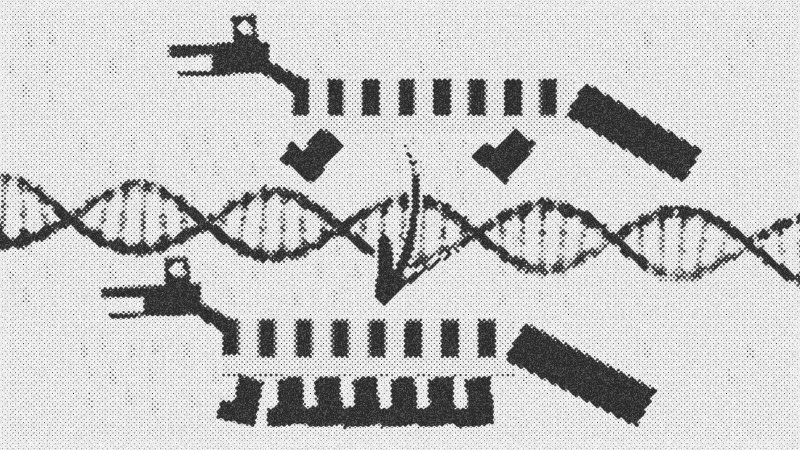
In Horsey Game, the transition from a casual breeder to a molecular architect happens at the CRISPR engine. This system allows you to bypass the slow, unpredictable nature of traditional breeding by directly manipulating the genetic code of your livestock. By extracting DNA from high-performing specimens—like the legendary Cow or the agile Beef—you can isolate desirable traits and inject them into younger, more viable hosts. This guide covers the technical nuances of helix manipulation, from increasing limb count to optimizing speed factors, while balancing the inherent risks of genetic instability like narcolepsy.
Prerequisites
To effectively use the gene-editing suite, you must first secure a reliable source of high-quality DNA. You should be familiar with the Lasso mechanic for capturing wild or domestic subjects and the DNA Extractor tool to harvest genetic samples. Understanding the basic interface of the CRISPR lab is essential, as is a baseline awareness of how the game’s day/night cycle affects horse stamina. If your subject is elderly, you must act quickly to harvest their code before they are retired to the Glue Factory.
Key Libraries & Tools
- CRISPR Engine: The primary IDE for genetic modification, where you swap nucleotide bases (A, T, C, G) across various helices.
- Gene Drive: A deployment tool used to overwrite a host horse's existing genome with your modified DNA sequence.
- DNA Extractor: The hardware required to pull a physical vial of genetic code from a living subject.
- Limb Tags & Helix Guides: The documentation (often found in-game or via external community guides) that identifies which specific helix controls which attribute.
Code Walkthrough
The genetic code in this environment is structured into numbered Helixes, each containing specific parameters or P-factors. To modify a horse, you interact with these helical strings by replacing existing base pairs with new ones to trigger phenotypic changes.
Modifying Speed and Intelligence
Helix 18 and Helix 17 are the primary targets for performance optimization. Specifically, the P1 factor in Helix 18 dictates the speed factor of the limbs.
// Objective: Increase Speed Factor from 100 to 133
// Current: G (Green) = 100 Speed
// Target: R (Red/T) = 133 Speed

if (helix_18.P1 == "G") {
    swap_base("G", "T");
    console.log("Speed Factor increased to 133%");
}
Changing these values often requires a trade-off. For instance, shifting toward high speed might inadvertently move the P01 factor away from A or C, which are the stable bases that prevent random narcolepsy. In this system, an intelligent horse is a vocal horse; increasing intelligence through Helix 17 often results in a subject that can communicate verbally with the player.
Increasing Limb Count and Dimensions
For creating specialized builds like a "caterpillar croc," you must manipulate Helix 4 (Limb Counts) and Helix 8 (Dimensions).
// Objective: Transform a 4-legged horse into a 7-legged caterpillar
// Helix 4, P2 controls Leg Count

set_base(helix_4.P2, "A"); // A-base yields 7 legs
set_base(helix_4.P1, "G"); // G-base ensures the legs have feet
When working with Helix 8, focus on P1 for leg length and P7 for arm length. To ensure a balanced gait, these should ideally match. A value of T provides a length of 120, the maximum allowable dimension for most reptilian or mammalian hybrids.
Syntax Notes
The CRISPR engine uses a four-base system (A, T, C, G). While the game presents these visually, they function as variables in a configuration file. T usually represents the maximum value for physical dimensions, while A often handles counts or intellectual traits. G is frequently associated with "standard" high performance. Note that the system is zero-indexed in some menus but one-indexed in community guides; always double-check your P-factor count to avoid accidentally editing Break Force (which causes fragile limbs) instead of Leg Length.
Practical Examples
- The Champion Clone: Extract DNA from an elderly Cow. Use the CRISPR engine to check for stable P01 bases to ensure the clone doesn't fall asleep mid-race. Inject this into a young horse to reset the age clock while maintaining champion stats.
- The Heavy Hauler: Modify a horse or car-hybrid with high leg counts (7) and maximum limb width. While not fast enough for the track, these "Frankenstein" creations can be sold to the Glue Factory for a higher price due to their increased mass.
- The Intelligent Scout: Focus on Helix 17 to maximize intelligence. These horses provide contextual feedback and can even comment on the state of your ranch, making them useful for monitoring the ecosystem.
Tips & Gotchas
Avoid the "Vial Mistake": If you leave the CRISPR lab without completing the Gene Drive, your changes may reset or randomize. This often leads to "bug-eyed" mutations where the facial features become distorted because Helix 11 was left in an unstable state. Furthermore, be wary of the Hyundai and Kia vehicle-hybrids. These subjects often require specific engine-related genes to function; without them, they simply roll or refuse to move, despite having multiple legs. Finally, keep an eye on your hot air balloon. While it offers a superior view of the ecosystem, it is easy to lose your way over the ocean where the horse population is non-existent.
- CRISPR engine
- 27%· products
- Cow
- 18%· people
- Apricot
- 9%· people
- Beef
- 9%· people
- CRISPR lab
- 9%· places
- Other topics
- 27%
I Broke Evolution With DNA Editing
WatchDrae // 36:25

Hey, I'm Drae I'm an Indie-focused gaming channel that produces at least one new video every day and I have been doing so for over a decade. I don't stick to one game or genre so if a flavor is your spice of life, you came to the right place! =========================================== Find More About Me At www.draegast.com ========================================== Sponsorship Requests: [email protected] Other Inquiries: [email protected]