Tactical Analysis: Maximizing Floor Space and Genre Optimization in Retro Rewind
Tactical Overview: Managing the Retro Rental Surge
The current phase of operations in Retro Rewind represents a pivotal shift from a solo boutique to a high-volume enterprise. The manager currently faces a logistical bottleneck: demand is outstripping shelving capacity, particularly within the sci-fi and horror verticals. The store has transitioned from a manual labor model to one utilizing automated staff, though this brings a new set of overhead challenges and behavioral idiosyncrasies. The core objective of this operational cycle focused on securing a $1,000 capital investment for structural expansion while maintaining customer satisfaction amidst inventory shortages and equipment failures.
Key Strategic Decisions and Personnel Management
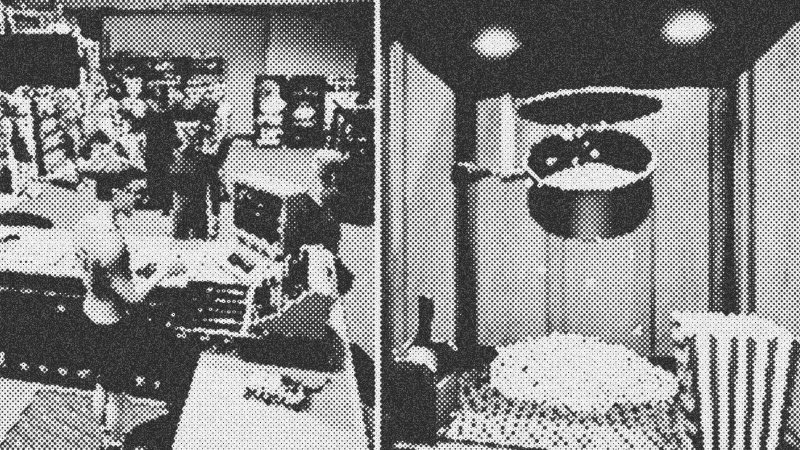
The most significant move involved the tactical delegation of the checkout counter to the newly hired employee. While the manager initially expressed skepticism regarding the employee's speed, the decision to pivot the player-character toward localized marketing and flyer distribution proved effective. By relinquishing direct control over the register, the manager successfully increased foot traffic through active promotion, resulting in a record-breaking $260 daily revenue.
However, human resource management surfaced as a critical friction point. The employee’s request for a salary increase to $6—citing rising rent—was flatly rejected. This decision highlights a lean financial strategy prioritizing store infrastructure over staff morale. This rigidity nearly backfired when the employee took a subsequent sick day, forcing the manager back into a multi-tasking role that included making popcorn, processing returns, and handling difficult customers simultaneously. The friction between labor costs and store scaling remains the primary tension in the current growth phase.
Performance Breakdown: Inventory and Asset Acquisition
Asset acquisition focused heavily on high-margin items and rare collectibles. The decision to purchase the Angry Troll holographic copy underscores a desire for long-term value, despite the immediate risk of physical damage from customers. Holographic tapes represent a high-risk, high-reward asset class; they attract premium interest but require careful shelf placement to avoid depreciation through wear and tear.
Inventory optimization saw the introduction of the Romance genre, which required immediate shelving solutions. The manager utilized a "mixed shelf" strategy to buffer against the lack of dedicated cabinetry. While this temporarily solved the problem of unstocked inventory, it created a search-time penalty for customers. Performance in the snacks and concessions sector also saw an upgrade with the addition of the popcorn machine. Despite the $50 setup cost, the $3.50 per unit price point provides a consistent secondary revenue stream that operates independently of VHS rental cycles.
Critical Moments and Operational Impact
Two critical failures marred an otherwise productive growth period. First, a catastrophic failure in timing led to the manager missing the 9:00 p.m. arrival of the Black Market Dealer. This missed opportunity resulted in a total loss of access to adult-tier inventory for that cycle, which significantly impacted the store's ability to fulfill specific customer requests for high-yield titles. This serves as a stark reminder that in Retro Rewind, manual intervention and schedule adherence are just as vital as financial capital.
Second, the physical expansion of the store—the purchase of Section B—revealed unforeseen architectural constraints. The presence of "weird walls" and invisible boundaries prevented the implementation of a perfectly flush shelving layout. This forced a tactical retreat into a more decentralized floor plan, moving away from long aisles toward "square areas" or pods. This shift in layout philosophy actually improved customer flow, allowing the manager to segment the store by genre more effectively: Horror and Sci-Fi occupy the rear, while Action and the new Romance section flank the concessions.
Future Implications and Strategic Learnings
The transition to a larger floor plan necessitates a move away from "bulk buy" randomness toward precision inventory management. The manager's observation regarding the proliferation of horror titles suggests that the store is becoming over-specialized. To maintain a 250-plus daily revenue average, the next phase must focus on diversifying the catalog into Comedy and the newly unlocked Christmas genre to capture seasonal market surges like the Demolition Derby event.
Furthermore, the "sick day" incident highlights the need for a redundancy plan. Relying on a single employee for the checkout counter is a vulnerability. Future capital should be directed toward hiring a second staff member or investing in further automation to ensure that the manager can focus on high-level decor and thematic furnishing. The goal is to move from a "rough-looking" startup to a fully realized 90s-era destination, which requires not just space, but aesthetic cohesion and a robust inventory of Static Haunting and other contemporary releases.
- Retro Rewind
- 22%· products
- 13 Bodies
- 11%· movies
- Angry Troll
- 11%· products
- Black Market Dealer
- 11%· people
- Demolition Derby
- 11%· products
- Other topics
- 33%
Business Is Booming at My 90s Video Rental Store
WatchDrae // 36:44

Hey, I'm Drae I'm an Indie-focused gaming channel that produces at least one new video every day and I have been doing so for over a decade. I don't stick to one game or genre so if a flavor is your spice of life, you came to the right place! =========================================== Find More About Me At www.draegast.com ========================================== Sponsorship Requests: [email protected] Other Inquiries: [email protected]