Maxing Margins: A Tactical Analysis of the Retro Rewind Video Rental Session
Session Overview: The Seasonal Pivot
This tactical session follows the management of a Retro Rewind video rental store during a critical transition period spanning the Christmas and Halloween seasons. The operator faced the dual challenge of low initial capital and an overstocked inventory of aging horror titles. The session's primary objective shifted from simple rental maintenance to long-term profitability through the introduction of a clearance bin and the curation of high-value holographics movies. As the store hit day 23, the focus narrowed on maximizing the higher rental price points of new releases while mitigating the financial drag of an employee prone to frequent bathroom breaks and escalating wage demands.
Key Strategic Decisions and Resource Allocation
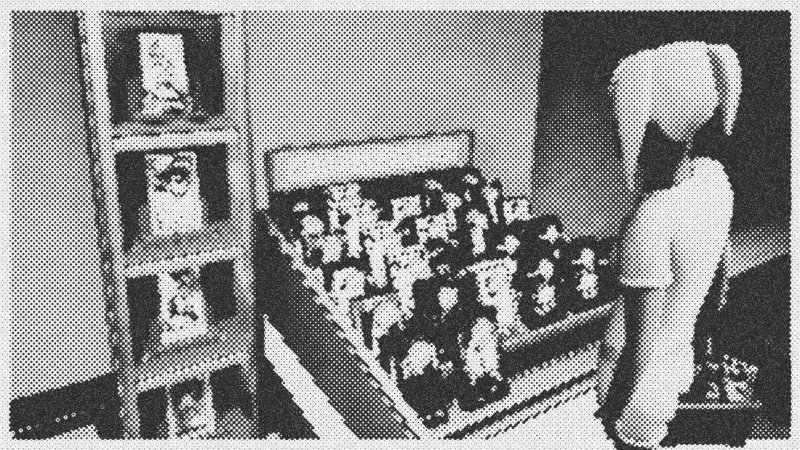
The most significant move involved the tactical implementation of the clearance bin. By offloading "old" titles for a flat $5 sale price, the manager attempted to force customer demand toward "new" releases, which command a $7 rental fee. This strategy acknowledges the diminishing returns of keeping aging stock that takes up valuable shelf space. Furthermore, the decision to stop renting out holographics and instead move them to a non-touch display case represents a shift toward asset protection. Every rental carries a risk of damage; for rare "exclusive" titles, the potential $1 repair fee or the total loss of the asset outweighs the marginal rental income.
Inventory procurement also saw a shift. Rather than buying specialized genre packs, the manager opted for the 140-movie mix bundles. This broadens the store's appeal across multiple demographics—Action Movies, Romance Movies, and Sci-Fi Movies—ensuring that no matter the daily "event" (like Demolition Derby or Remembrance Day), the store has relevant inventory to meet surged demand.
Performance Breakdown: Labor and Concessions
Employee management remains the weakest link in the operational chain. The current staff member, while energetic, exhibits low efficiency due to frequent "washroom" breaks, often leaving the checkout counter unattended during peak hours. This forced the manager to intervene personally, a move that sacrificed potential marketing time (handing out flyers) to maintain customer flow.
On the concessions front, the performance remains underwhelming. Despite adding a second snack stand and aiming for a full variety of treats, the bottom line has not seen a significant lift. The data suggests that snack demand is largely peripheral in the current store layout. The manager’s plan to create a "checkout alley" is a sound psychological tactic, designed to trigger impulse buys at the point of sale, but until the store expansion allows for better foot traffic flow, concessions will likely remain a low-margin secondary income stream.
Critical Moments and Impact Analysis
A pivotal moment occurred when the manager decided to grant a $3 raise to the employee despite performance issues. This decision was driven by the fear of labor turnover during the high-traffic Halloween season. While it increased daily overhead, it ensured the store remained operational during the "Spooky Season" event, which saw a massive spike in Horror Movies rentals and chocolate bar sales.
Another critical junction was the interaction with the Shady Dealer on Black Market Tuesday. By securing the Sauna Sessions with my Sculpture holographic, the store added a rare asset to its collection. However, the manager noted a worrying trend: the quality of Black Market offerings has dipped, with several "bad critic" movies appearing in the mix. This necessitates a more discerning eye in future dealings to avoid cluttering the newly cleared shelves with junk that even the clearance bin cannot move.
Future Implications and Structural Growth
The store is currently approaching a bottleneck. With 250 movies in stock, shelf space is at a premium. The next logical step is a major capital expenditure: the $1,250 to $1,500 store expansions. Expanding the physical footprint is the only way to effectively separate genres and improve the "vibe" rating, which directly correlates to customer attraction. Future sessions must prioritize saving for these walls over smaller cosmetic upgrades like '90s couches or neon signs. Additionally, the manager is eyeing a replacement for the current employee, seeking an applicant with a "strong bladder" to minimize operational downtime. The transition from a small-scale rental shop to a high-volume entertainment hub depends entirely on optimizing these labor and space efficiencies.
- clearance bin
- 10%· products
- Halloween
- 10%· places
- holographics
- 10%· products
- 13 Bodies
- 5%· movies
- Action Movies
- 5%· products
- Other topics
- 60%
Getting Rich Selling Trash Movies
WatchDrae // 29:04

Hey, I'm Drae I'm an Indie-focused gaming channel that produces at least one new video every day and I have been doing so for over a decade. I don't stick to one game or genre so if a flavor is your spice of life, you came to the right place! =========================================== Find More About Me At www.draegast.com ========================================== Sponsorship Requests: [email protected] Other Inquiries: [email protected]