Tattoo Removal Simulator exposes the thin line between zen and tedium
Digital lasers and the paradox of clinical boredom
In the ever-expanding universe of hyper-specific simulation games, Tattoo Removal Simulator stands as a curious artifact of digital labor. The game strips away the high-octane adrenaline of traditional gaming, replacing it with the methodical, repetitive task of erasing ink from virtual skin. It is a title that asks players to find satisfaction not in creation, but in the slow, painstaking process of deletion. This isn't just about gameplay; it's a commentary on the nature of 'work' in the digital age, where the satisfying 'pop' of a laser hitting a pixelated chili pepper tattoo becomes the primary reward.
The game positions itself within a genre that thrives on the mundane. Much like its predecessors in the power-washing or lawn-mowing space, it relies on a specific psychological hook: the visual gratification of cleaning. However, where washing a house offers a broad, sweeping sense of accomplishment, tattoo removal is surgical. It requires a level of precision that can easily veer from meditative to frustrating. The core loop—identifying a tattoo, managing a client's pain threshold, and applying post-operative scar spray—creates a rhythm that is both hypnotic and dangerously thin.
Mechanics of regret and the pain-tolerance economy
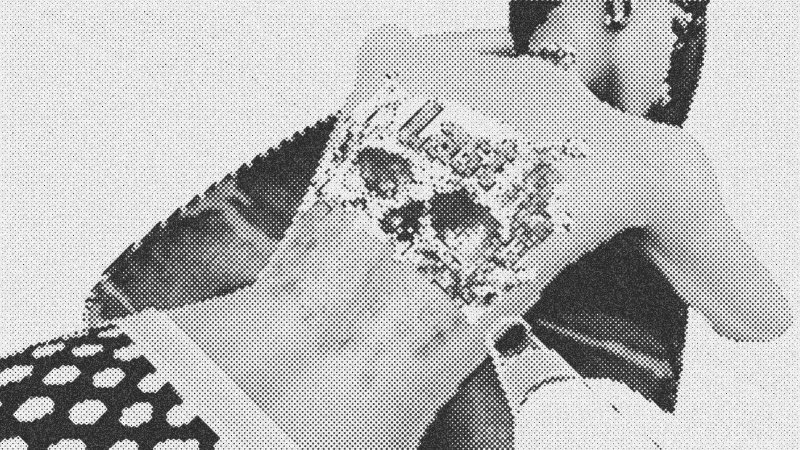
The gameplay systems within this simulation revolve around a delicate balancing act. Every client arrives with two primary stats: a specific tattoo they regret and a pain tolerance level. This latter metric is the game’s primary source of tension. Players must navigate the intensity of their laser tools; push too hard, and the client reacts with vocal discomfort and a plummeting rating; move too slowly, and the profit-per-hour drops significantly. It is an economy of discomfort where efficiency is punished by the physical limits of the virtual patient.
The progression system follows a standard simulation blueprint. Players earn cash—sometimes as much as $1,750 for a complex piece—to fund equipment upgrades. The Urgga Vanquisher XT, a higher-tier removal tool, promises better speed and intensity control. Yet, as players often discover, the leap from a basic laser to a professional one doesn't fundamentally change the experience. It merely makes the repetition faster. This raises a critical question about game design: does a more efficient tool actually improve the fun, or does it simply accelerate the realization that the game has reached its mechanical ceiling?
Narrative depth surfaces in the rehab prison
While the basic career mode can feel like a sequence of disconnected tasks, the "Stories" mode introduces a jarring shift in tone. The introduction of characters like Dakota Graves transforms the clinical environment into a confessional booth. Set within a rehabilitation prison, these segments provide a narrative weight that the rest of the game lacks. As players erase the ink of a former life, the characters share lengthy, detailed backstories involving betrayal, diamond heists, and abusive relationships.
Graves' story, in particular, illustrates the game's attempt to link mechanical action to emotional stakes. She views her tattoos as "bad memories" that need to be burned away to facilitate a clean slate for her future as a swimming instructor. This connection—the idea that the player is literally erasing a character's trauma—gives the repetitive clicking a sense of purpose. However, there is a disconnect between the gravity of a story about arson and the goofy, "zoomery" dialogue the game often employs. The juxtaposition of a woman discussing her criminal betrayal while the player receives prompts like "Low-key, you're kind of cooking, man" creates a tonal whiplash that is hard to ignore.
The aesthetic of the mundane studio
The environment design in Tattoo Removal Simulator leans into a gritty, almost sterile realism. Players begin in a bare-bones operation room, eventually upgrading to a "VIP Studio" that adds minor cosmetic improvements like changing areas or walls. The visual fidelity of the tattoos themselves ranges from the absurd—a pretzel with a smiley face—to the generic, such as skulls and daggers. There is a subtle humor in the bad life choices presented on the clients' bodies, reflecting a world where people get tattoos of "moobage" or airfield balls on a whim.
Despite the ability to customize studio colors or laser skins, the world feels largely static. The "smooth jazz" soundtrack attempts to create a calming atmosphere, but it often serves to highlight the silence between the laser's chirps and the client's repetitive complaints. The interface is utilitarian, perhaps too much so, as players have noted the lack of clear tutorials for movement and tool switching. It is a game that expects you to be a professional from the moment you pick up the laser, offering little in the way of a learning curve but much in the way of a grind.
Ethical simulations and the future of the genre
There is a strange ethics at play in a game that simulates a medical-adjacent procedure. While titled a simulator, it takes significant liberties with reality—specifically the magical "scar spray" that heals laser burns instantly. This gamification of healing is necessary for the loop to function, yet it removes the consequences that usually define the genre's "realism." It positions the player as a technician of the soul, removing the physical manifestations of past mistakes with zero permanent fallout.
As the simulation genre continues to fragment into increasingly niche territories, this title serves as a bellwether. It proves that there is an audience for almost any task, provided the feedback loops are sufficiently crunchy. However, it also highlights the limitations of the "work-as-play" model. Without the narrative hook of the prison segments, the game risks becoming the very thing its clients are trying to escape: a mistake they wish they could erase after forty minutes of commitment.
Final verdict on the removal of pixels
Ultimately, the experience of Tattoo Removal Simulator is defined by its honesty. It does exactly what it says on the tin, providing a comprehensive, if repetitive, look at a specific profession. The inclusion of narrative elements is a welcome surprise that adds much-needed depth, even if the dialogue feels out of sync with the setting. For players seeking a zen-like experience of cleaning up a messy world, it offers a unique, albeit narrow, satisfaction. For those looking for strategic depth or mechanical variety, the laser may run out of juice long before the studio upgrades are complete. It is a game about the end of a story—the moment someone decides they are finished with a certain version of themselves—and there is a quiet, pixelated beauty in being the one who helps them turn the page.
- Tattoo Removal Simulator
- 33%· products
- Adrien Brooks
- 11%· people
- Dakota Graves
- 11%· people
- Ethan
- 11%· people
- Jack
- 11%· people
- Other topics
- 22%
I Built a Business Removing Bad Decisions
WatchDrae // 42:18

Hey, I'm Drae I'm an Indie-focused gaming channel that produces at least one new video every day and I have been doing so for over a decade. I don't stick to one game or genre so if a flavor is your spice of life, you came to the right place! =========================================== Find More About Me At www.draegast.com ========================================== Sponsorship Requests: [email protected] Other Inquiries: [email protected]