The Genetic Gamble: Unraveling the Science and Chaos of Monster Lab Simulator
The Alchemy of the Egg: Entering the Monster Lab
The air in the laboratory smells of ozone and questionable genetic decisions. Stepping into Monster Lab Simulator, one immediately feels the weight of responsibility—or perhaps just the weight of the massive synthesis machines. This isn't just a game about cute creatures; it's a gritty, industrial take on the monster-collecting genre that swaps out grassy fields for sterile workstations and high-tech orbs. The core loop begins with a simple egg and a dream of profit. Humans in this world are a curious lot, willing to pay handsomely for synthesized life, which creates a fascinating ethical backdrop for the gameplay. You aren't a trainer; you are a technician, a scientist, and occasionally a frantic janitor trying to keep the creations from jumping into a pit of fire.
The laboratory itself feels alive, mirroring the mechanical complexity of Gas Station Simulator. You manage a suite of specialized tools: suction guns to reel in wayward creatures, fire extinguishers for the inevitable combustion events, and the all-important synthesis machine. This device serves as the heart of the operation, where the miracle of life is reduced to injecting eggs with various essences like fire, water, and nature. It’s a process that feels deliberate and tactile, demanding the player stay organized amidst a growing pile of cardboard boxes and empty vials. The early moments of a lab career are defined by this frantic dance of logistics—buying carts of supplies, waiting for deliveries, and hoping that the first egg doesn't crack before it reaches the incubator.
Synthesis and the Assembly Line of Life
Once the synthesis machine has impregnated an egg with serum, the real work begins. The incubation process is a test of patience, requiring heat and time to prep the life form for hatching. There is a raw, unpolished joy in the moment an egg finally shatters—not by a gentle nudge, but by being violently hurled against a wall to release the creature inside. The first successful hatch, a Neri, represents more than just a digital pet; it’s a proof of concept. These creatures, known as Fulus, possess distinct elemental traits and rarities that determine their market value and combat effectiveness.
Efficiency soon becomes the primary objective. To scale the operation, a scientist must move beyond single-egg batches and develop a true assembly line. This means managing multiple incubators simultaneously and keeping a steady supply of fire and neutral essences in stock. The game introduces a layer of genetic strategy early on; by mixing specific ratios of essences, players discover new recipes. A full-fire injection might yield a Vernet, while a mix of fire and neutral essences could produce a Boar. The pursuit of rare and epic versions of these species adds a layer of addictive RNG to the proceedings. You find yourself constantly checking percentages, hunting for that 1% rare hatch while wading through a sea of common Tie and Tally.
The Evolution Grind and the Merge Machine
As the lab grows, the limitations of common-tier creatures become apparent. This is where the merge machine enters the narrative, offering a solution that is as mysterious as it is effective. By sacrificing three identical Fulus of the same type, the machine synthesizes a single, stronger version. This evolution process is the key to climbing the power ladder. Three Tie become a Tier 2 Tally, and the cycle repeats. It creates a compelling reason to keep even the most basic creatures, turning what would be "trash" into valuable fuel for higher-tier goals.
However, managing a growing population of Fulus is like herding cats with elemental powers. The laboratory is designed with localized habitats—fire pits for the fire types, water zones for the aquatic ones—where the creatures can heal and rest. Yet, their AI often leads them toward trouble. There is a genuine tension in watching a low-health Tie wander dangerously close to a hazard while you're busy across the room waiting for a minute-long synthesis cycle to finish. The orbs, this world's version of Pokeballs, become essential not just for storage, but for safety. Yet even the orbs present a challenge; they are physical objects that roll, bounce, and can easily be lost in the clutter of a busy lab, leading to moments of genuine panic when a prized specimen goes missing in the "back rooms" of the facility.
Into the Arena: The Price of Combat
While the lab is a place of creation, the battle room is where those creations are tested. The transition from scientist to commander is jarring but necessary. Combat in Monster Lab Simulator provides the tickets required for the gambling machines and the rare ambers that contain ancient genetic material. Entering the arena requires a team of three, and the stakes are surprisingly high. While the visuals remain somewhat innocent, the reality of the battle is grueling. Fulus take real damage, and if they aren't properly leveled through the merge machine, they can be slaughtered by superior opponents like the Griffin.
Victory brings rewards, but it also brings exhaustion. After a bloodbath in the arena, your team returns weakened and injured. The immediate instinct to sell them for a quick profit must be balanced against the long-term goal of building a legendary squad. A damaged Neri is worth less on the market, forcing a choice: reinvest time and resources into healing them in their elemental habitats or cut your losses and start the synthesis cycle anew. This management of "living assets" adds a darker, more cynical edge to the gameplay, emphasizing the cold capitalism that drives the monster lab's economy.
The Heartbreak of the 7% Chance
Every scientist eventually hits a wall where common and rare Fulus no longer suffice. The endgame involves ancient ambers—fossilized resin that must be smelted to reveal high-potential eggs. These ambers offer a 5% to 11% chance at epic or legendary life forms, representing the pinnacle of the lab's achievements. The process is high-stakes and high-cost. In one particularly grueling session, the attempt to create an Epic Tier 2 Verex involved combining two epics and a rare, resulting in a 93% success rate for an epic outcome.
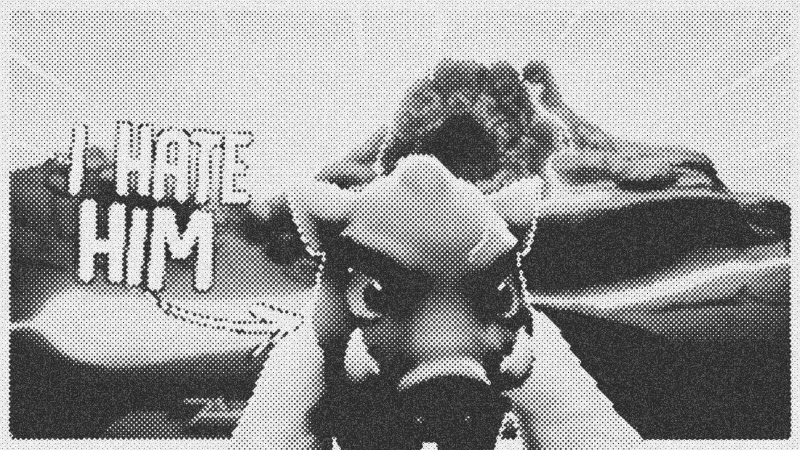
But the universe of the monster lab is governed by cold mathematics and cruel irony. When that 7% failure rate hits, and a high-tier fusion results in a common-tier creature, the emotional toll is significant. It is a moment of total "crash out," where the hours of grinding, the meticulous essence mixing, and the careful evolution of specimens vanish in a puff of digital smoke. It serves as a stark reminder that in the world of Monster Lab Simulator, you are always at the mercy of the machine. Despite the high-tech tools and the simulated progress, luck remains the most powerful element in the lab. The lesson is clear: in the pursuit of the legendary, you must be prepared to lose everything to a common boar.
- Fulus
- 25%· people
- Monster Lab Simulator
- 15%· products
- Tie
- 15%· people
- Neri
- 10%· people
- Tally
- 10%· people
- Other topics
- 25%
This Boar Ruined My Day in Monster Lab Simulator
WatchDrae // 47:09

Hey, I'm Drae I'm an Indie-focused gaming channel that produces at least one new video every day and I have been doing so for over a decade. I don't stick to one game or genre so if a flavor is your spice of life, you came to the right place! =========================================== Find More About Me At www.draegast.com ========================================== Sponsorship Requests: [email protected] Other Inquiries: [email protected]