Drae inherits a disaster in Restore Your Island; finds gold bars and ghost girls
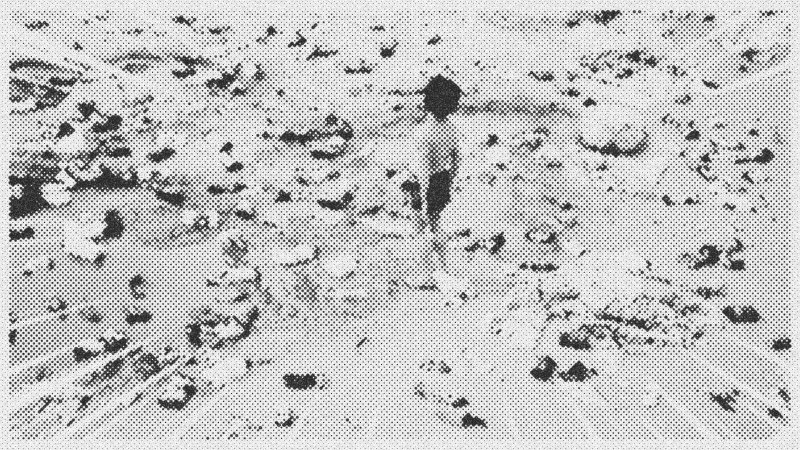
The air on the shoreline is thick with the smell of salt and neglected plastic. Most people inherit a legacy of wealth or wisdom from their elders, but Drae has just received a literal dumping ground. In the early moments of his journey into Restore Your Island, the premise hits with the familiar rhythm of a cozy sim: a great uncle passes away, leaving behind a piece of land that is more burden than bounty. The beach is a graveyard of discarded tires, aluminum cans, and half-eaten pizza slices, all resting under a low-resolution fog that Drae immediately dispels by cranking the settings to their maximum potential. This isn't just about aesthetic cleanup; it’s about reclaiming a lost ecosystem.
The grind for organic waste and metal bins
Strategy quickly takes center stage as Drae realizes the island's economy is built on a very specific hierarchy of junk. While plastic and metal clutter the landscape, organic waste is the true currency of progress. The loop is punishingly simple at first: pick up one item at a time, toss it into a bin, and call the shop to haul it away for cash. However, the game introduces a stamina mechanic that forces a methodical pace. One can't simply sprint through the refuse; every piece of trash collected drains energy, making a single pepperoni slice found in the sand more valuable as fuel than as a sellable commodity. This creates a fascinating tension between the desire to clear the beach and the biological limits of the protagonist.
Rescuing Farts and the logic of magical pickers
Wealth on the island isn't just about the money earned from recycled glass; it’s about the relationships built with the local wildlife. The first major milestone involves a wounded Akita with a bloodied paw. After Drae applies a bandage and bestows the name Farts upon his new companion, the dog becomes a core mechanic of the restoration process. Farts doesn't just offer emotional support; he actively scavenges, eventually presenting Drae with a solid gold bar that effectively breaks the early-game poverty cycle. This influx of cash allows for the purchase of the magnetic picker, a tool that Drae notes feels more like a magical vacuum than a scientific instrument. By level two, this device allows for the mass collection of specific materials, shifting the gameplay from a slow, manual labor simulator into a high-efficiency industrial cleanup operation.
Managing energy through lever-action espresso and human fertilizer
As the sun sets and the tropical storms roll in, the survival elements of Restore Your Island take on a weirder, more practical tone. Drae’s island living quarters upgrade from a simple bed to a home equipped with a functioning lever-action espresso machine. This isn't just flavor text; the coffee provides the caffeine jolt necessary to work through the night. The game’s environmental logic takes a turn for the literal when Drae builds a toilet. In a move that blends survival mechanics with ecological realism, the player can harvest "free fertilizer" from their own biological waste to revive the island's dying fruit trees. These trees, once fertilized, provide a renewable source of bananas and coconuts, creating a self-sustaining loop where the player’s presence actively fuels the island’s regrowth.
Ghostly dolls and the mystery of the 3 percent
Just as the rhythm of cleaning becomes meditative, the game introduces a jarring, supernatural element. A creepy, possessed-looking doll appears near a campfire, watching the player from the shadows before vanishing. This haunting presence suggests that Restore Your Island is hiding a deeper narrative beneath its colorful exterior. As Drae pushes the dog area’s restoration bar toward completion, the environment begins to change. Crabs return to the sand, and the murky waters start to clear. Reaching a small percentage of restoration triggers a shift in the island’s atmosphere, proving that the grind of sorting plastic from metal has a tangible, visual impact on the world. The transition from a trash heap to a sanctuary is slow, but the return of life—from octopuses to tropical birds—validates the hours spent hauling junk.
Lessons in the meditative power of the cleanup
The true appeal of this experience lies in the satisfaction of the incremental gain. Drae reflects on a decade of cleaning things in digital spaces, noting that there is a specific kind of zen found in the
Living on an Island of Trash
WatchDrae // 37:53

Hey, I'm Drae I'm an Indie-focused gaming channel that produces at least one new video every day and I have been doing so for over a decade. I don't stick to one game or genre so if a flavor is your spice of life, you came to the right place! =========================================== Find More About Me At www.draegast.com ========================================== Sponsorship Requests: [email protected] Other Inquiries: [email protected]