Surviving Umigari: Navigating the Ominous Waters of a Human-Fish Nightmare
The fog thickens as the boat pushes deeper into the unsettling waters of UMIGARI. This isn't the tranquil fishing excursion promised by coastal postcards; it’s a journey into a surreal, inverted reality where the boundary between human and aquatic life has dissolved into something grotesque. The air feels heavy, and the silence of the open ocean is replaced by the low hum of a submerged city. The objective seems simple enough: gather the final tablet shard and complete the shrine. However, in this world, simplicity is a mask for the macabre. The journey toward the Ominous City Front marks a definitive shift in the atmosphere, moving away from simple survival toward a confrontation with the architects of this watery purgatory.
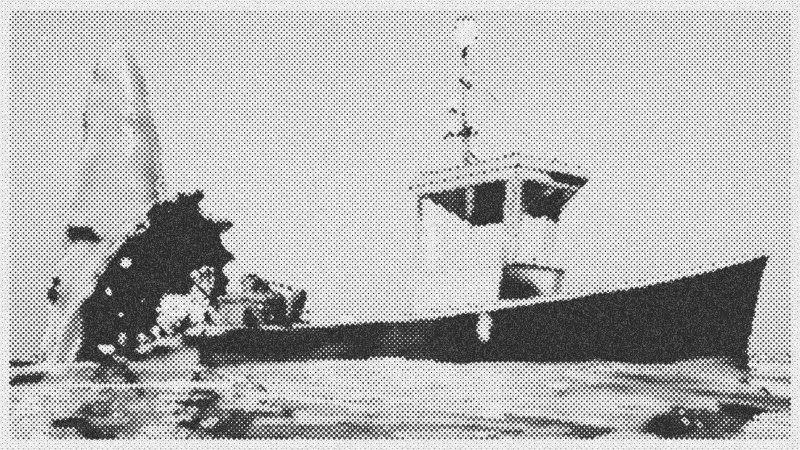
The Steel Jungle of the Ominous City
Upon arriving at the city, the sheer scale of the environment becomes overwhelming. Buildings rise from the depths like skeletal fingers, and the water is eerily barren of the usual schools of fish. Instead, the perimeter is haunted by translucent jellyfish, worth a decent sum but offering little in the way of a challenge. The real weight of the situation hits home at the gas station, where hardware sits on ice and the local attendant speaks of customers who have become insatiable gourmets. People are vanishing, and those who remain are changing. This urban sprawl serves as the game’s final crucible, a place where the "dangerous ones" gather and where the player must navigate a series of high-stakes requests to progress.
To move forward, a specialized harpoon gun becomes a necessity. This isn't just about catching food; it’s about self-defense and tactical acquisition. The city is divided into districts, each overseen by a troubled soul seeking specific, terrifying specimens. One man, a gardener of sorts, demands an Orefish. This isn't a standard catch-and-release scenario. The creature is a fast-moving, aggressive entity that requires a nerve-wracking game of cat and mouse. To catch it, one must avoid looking directly at it, acting as live bait until the beast pokes its head above the surface. Only then can a well-placed harpoon strike true. It is a masterclass in tension, forcing the player to embrace vulnerability to achieve victory.
Mermaids and the Hunt for Human Blood
The city's districts reveal even deeper horrors. In one gloomy sector, a ballerina named Yura spins endlessly, her eyes unsettled by the very world she inhabits. She requests Mermaids, but these are not the graceful figures of folklore. These are transparent, violent predators that climb onto the boat and kill the pilot if not dispatched immediately. The mechanics of the hunt change here; the flashlight becomes a weapon of revelation, illuminating the stealthy killers before they can breach the hull. Catching five of these entities provides a tripod piece, a critical component for a weapon designed to take down the city's greatest threat.
Further in the city's back alleys, the tone shifts from survival horror to something more predatory. A man in shades demands Piranhas, creatures that will tear a fisherman to shreds if they spot him. This task requires utilizing previously caught fish as bait, a grim economy where $10,000 jellyfish are tossed into the water to distract a swarming school of hungry teeth. The piranhas move with a frenetic energy, requiring the player to maintain choke points between buildings to avoid being overwhelmed. Every successful catch is a step toward assembling a mortar, the only weapon capable of striking the Skyscraper Shark that hangs, impossibly, in the sky above the city.
The Skyscraper Shark and the Mortar Strike
The final trial involves hunting Swordfish for a robotic entity seeking "high blood volume." This task demands the use of high-speed boat boosts to cattle the fast-moving fish into clusters. It’s a frantic, fuel-consuming chase that tests the limits of the boat's upgrades. Once the blood is collected and the final part is obtained, the player gains access to the mortar atop the city’s central tower. The target is the Skyscraper Shark, a massive beast stuck to a wall high above the water. Interestingly, the shark itself is invulnerable; the only way to bring it down is to aim for the human figure lodged inside its mouth.
After a successful mortar strike, the beast falls into the ocean for a final boss encounter. This is where the gameplay mechanics converge. The player must dodge the shark’s charges, manage fuel consumption, and wait for the precise moment the creature opens its mouth to reveal its human passenger. Stabbing the shark's body does nothing; only a strike to the human element ends the nightmare. Upon its death, the shark yields the final tablet shard, completing the artifact and opening the path to the shrine's ultimate revelation. The journey to the shrine is a gauntlet, pursued by the "Big Face" entity, requiring the player to use bells to keep the horror at bay while navigating toward a beam of light that pierces the darkness.
The Weight of Choice: Ending the Curse
At the heart of the shrine, the player meets a Whale that claims to be a god-like entity. This being reveals the truth: it cast a curse upon the world because of the "foolishness" and "selfishness" of humans, hoping that by trading places with fish, peace would emerge. Instead, the world became a cannibalistic nightmare where fish-humans retained only the worst traits of their predecessors. The player is presented with a moral crossroads. Reversing the curse might return things to normal, or it might simply reset a cycle of human destruction.
In one outcome, the player chooses to reverse the curse. The result is haunting. While the fish return to the sea, the humans—now back in their original forms—suffocate in the water where they once lived as aquatic beings. It is a bleak, ironic conclusion that suggests the damage was already too deep to fix. The alternative choice involves granting the fish-humans the power to think and coexist. This leads to a surprisingly vibrant, if surreal, happy ending. The world becomes a bizarre paradise where Stingray, Hammerhead, and humans live in harmony, attending school and running businesses together. It is a testament to the game's weirdness that a world of hybrid mutants feels more hopeful than a return to traditional humanity.
Reflection on the Horrors of the Deep
Umigari stands as a unique entry in the fishing genre, blending the mechanical satisfaction of an upgrade loop with the psychological dread of a Lynchian fever dream. The game forces a reflection on what it means to be human and whether our species deserves the dominion it claims over the natural world. The boss fights, while perhaps less mechanically challenging than some action titles, succeed in creating an atmosphere of genuine unease. The city is not just a level; it is a monument to a world that has lost its mind.
The lesson learned in the foggy waters off Japan is one of perspective. Whether one chooses the path of total restoration or mutant coexistence, the game highlights the fragility of our reality. The ocean is a mirror, reflecting our own greed and violence back at us in the form of toothy, human-faced horrors. As the credits roll, one can't help but look at the water a little differently, wondering what might be looking back from the depths, waiting for their turn to take the helm of the world.
- Hammerhead
- 10%· creatures
- Mermaids
- 10%· creatures
- Orefish
- 10%· creatures
- Piranhas
- 10%· creatures
- Skyscraper Shark
- 10%· creatures
- Other topics
- 50%
I Went Hunting for Japan’s Ocean Horrors
WatchDrae // 48:54

Hey, I'm Drae I'm an Indie-focused gaming channel that produces at least one new video every day and I have been doing so for over a decade. I don't stick to one game or genre so if a flavor is your spice of life, you came to the right place! =========================================== Find More About Me At www.draegast.com ========================================== Sponsorship Requests: [email protected] Other Inquiries: [email protected]