Scritchy Scratchy strategy yields 20 million dollar jackpot through luck scaling
The Progression Curve of Manual Labor to Automated Gambling
Every great incremental game begins with the humblest of origins, and Scritchy Scratchy is no exception. The gameplay loop initiates not with the high-octane thrill of a jackpot, but with the mundane task of washing dishes. This manual labor phase serves as the foundational economy, where each plate cleaned translates into a meager dollar. This stage is critical because it establishes the value of currency before the game introduces the volatile mechanics of scratch-off tickets. As the player levels up their "day job," the payout per plate increases, but so does the risk of breakage, introducing a risk-reward dynamic even at the most basic level of play. This phase is designed to be intentionally tedious, pushing the player toward the "exit strategy" of gambling as a means of financial escape.
The transition from dishwasher to gambler occurs once enough capital is secured to purchase the first tier of tickets. This shift represents a fundamental change in game mechanics, moving from active clicking to a more analytical selection of investments. The early tickets, such as the two-win variants, are low-risk but provide minimal profit, often merely returning the initial investment. However, these tickets are essential for leveling up the specific ticket type, which increases the potential payouts for future wins. This creates a dual-progression system: the player is simultaneously leveling their personal character through labor and their gambling assets through participation.
Strategic Pivot Toward Luck and Probability Management
A critical turning point in the Scritchy Scratchy meta involves the realization that brute-force scratching is less effective than probability manipulation. The game offers various upgrades that directly impact the efficiency of gameplay, but none are more vital than "Scratch Luck." Initially, players might focus on "Scratch Size" or "Scratch Power" to speed up the physical act of revealing symbols. While helpful, these are quality-of-life improvements that do not fundamentally change the math of the game. Investing in luck, however, alters the symbol spawn percentages, making high-tier symbols like the diamond or the star more frequent. This shift in strategy transforms the game from a simulator of manual labor into an exercise in statistical management.
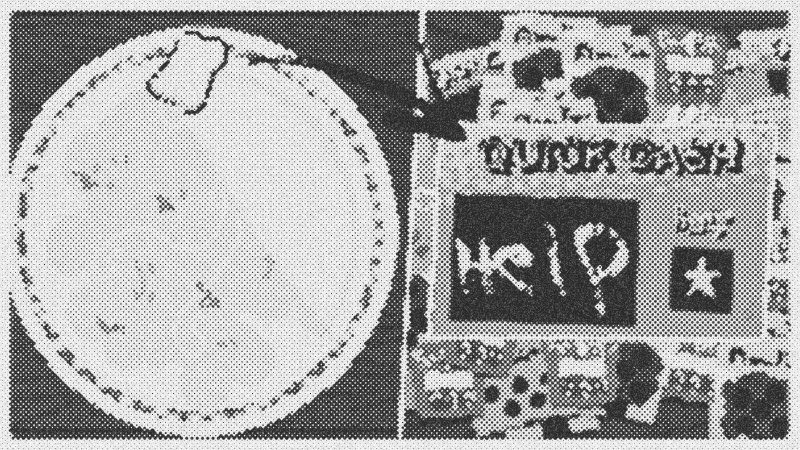
By prioritizing luck upgrades, the player begins to see a dramatic increase in jackpot frequency. For instance, increasing luck can move a rare 0.2% symbol into a much more attainable range. This is particularly noticeable when moving between different ticket tiers like "Mini Scratch" and "Quick Cash." While the higher-tier tickets are significantly more expensive, the adjusted luck percentages ensure that the return on investment remains positive over time. This leads to an exponential growth phase where the player is no longer worrying about breaking even, but rather how to most efficiently reinvest millions of dollars into further luck scaling.
Automation Integration and the Role of the Scratchbot
As the volume of tickets increases, the physical limitation of manual scratching becomes the primary bottleneck. This is where Scratchbot becomes the centerpiece of the mid-game strategy. The introduction of automation allows the player to scale their operations beyond what human clicking can achieve. However, Scratchbot is not a "set it and forget it" solution immediately; it requires significant investment in speed, capacity, and strength to become truly effective. A low-level bot is painfully slow and can only hold a few tickets, making it less efficient than a motivated human player.
The strategic synergy between the player and the bot is further enhanced by secondary gadgets like the "Table Fan" and the "Sticky Mat." The fan allows for the rapid feeding of tickets into the bot's queue, while the mat helps organize different ticket types. An advanced tactical move involves the player manually scratching high-skill tickets, such as the "Apple Tree" or "Lucky Cat," while the bot handles the high-volume, low-skill tickets like "Quick Cash." The "Apple Tree" tickets are particularly dangerous for bots because they contain "Worm" symbols that cause negative payouts if fully revealed. A human player can selectively scratch around these hazards, whereas a basic bot might blindly reveal the entire surface, leading to significant financial losses. This distinction maintains a role for active player engagement even in an increasingly automated environment.
Risk Assessment of Negative Payout Mechanics
One of the most provocative mechanics in Scritchy Scratchy is the introduction of negative payout symbols. Unlike traditional gambling games where the worst outcome is simply losing your entry fee, certain tickets in this game can actually drain your existing bankroll. The "Worm" in the "Apple Tree" ticket and the "Fishbone" in the "Lucky Cat" ticket represent these hazards. This forces the player to adopt a more cautious scratching technique. Instead of clearing the whole card, the player must reveal symbols slowly, identifying hazards and then utilizing the "Trash Can" to dispose of the ticket before the negative symbol is fully realized.
This mechanic adds a layer of tension that is often missing from incremental games. It turns the act of scratching into a minefield navigation exercise. If a player becomes too greedy or moves too fast with a high-power scratcher, they risk accidentally triggering a penalty that could wipe out millions. The trash can, a cheap $2 investment at the start of the game, remains one of the most valuable tools in the late game for this reason. It acts as a safety valve, allowing players to cut their losses on a bad ticket. This highlights a core theme of the game: wealth is not just about winning big, but about successfully managing and avoiding catastrophic losses.
Prestige Systems and the Tech Tree Endgame
The ultimate tactical goal in Scritchy Scratchy is reaching the "Final Chance" ticket, a high-stakes $50 million gamble that effectively serves as the gateway to the prestige system. This ticket is notoriously difficult, often revealing nothing but skulls, which serves as a thematic representation of the house always winning in the end. However, failing this ticket or choosing to prestige through the menu unlocks the "Night Market" and the associated tech trees. This is where the game transitions from a linear wealth climb into a complex roguelite-style progression system.
The prestige currency, known as JP points, allows players to purchase permanent upgrades that persist across runs. These include starting with the Scratchbot already unlocked, beginning with a larger sponge for the dishwashing phase, or gaining bonuses for fully scratching tickets. The tech tree offers different paths, such as the "Tool Belt" for manual play improvements or "Booster" for bot-focused automation. This prestige layer adds immense replayability, as players can now target specific builds to maximize their efficiency in subsequent lives. The game effectively rewards the "death" of a career by providing the tools to rebuild faster and stronger, ensuring that the cycle of gambling and growth continues with even higher stakes.
- Scratchbot
- 60%· products
- Dre
- 20%· people
- Scritchy%20%20Scratchy
- 20%· products
I Scratched Tickets Until I Escaped Poverty
WatchDrae // 51:56

Hey, I'm Drae I'm an Indie-focused gaming channel that produces at least one new video every day and I have been doing so for over a decade. I don't stick to one game or genre so if a flavor is your spice of life, you came to the right place! =========================================== Find More About Me At www.draegast.com ========================================== Sponsorship Requests: [email protected] Other Inquiries: [email protected]