The Neon Glow of Management: A 90s Video Store Odyssey
The smell of popcorn and magnetic tape hangs heavy in the air as we step back into the localized sanctuary of the 90s Video Rental Store. Managing a virtual business in this era is not just about transactions; it is about preserving a specific cultural texture. The shelves are currently a chaotic mixture of cult favorites and forgotten dramas, but a new release is hitting the floor: Forward to the Past. This arrival serves as a catalyst for a massive store reorganization. In the high-stakes world of physical media simulation, every square inch of carpet matters, and a donation box filled with adult films out back reminds us that the inventory is as eclectic as the customers walking through the front door.
The Delicate Balance of VHS Inventory
Investing in new inventory is the lifeblood of any rental shop. With $236 in the bank, the decision to sink $18.75 per tape into Forward to the Past represents a significant gamble. This isn't just about having the latest hit; it's about managing the physical constraints of the store. As Drae navigates the growing collection, the limitations of the current shelving become apparent. Genres like Sci-Fi Movies and Action Movies require dedicated zones to prevent the store from becoming a labyrinth that frustrates the NPCs. The introduction of action movies, specifically, changes the economic landscape. Suddenly, the demand shifts, and the need for standardized four-row shelving units becomes a priority over mere aesthetics.
Inventory management also brings the headache of damaged goods. Customers are notoriously careless with VHS Tapes. Whether it is a tape returned after its due date or a literal broken shell, these incidents provide a secondary revenue stream through late fees and repair charges. While some customers offer excuses—ranging from broken legs to simple forgetfulness—maintaining a strict policy on these fees is the only way to fund the eventual $1,000 store expansion. The business is a machine fueled by $2 penalties and the occasional $18.50 windfall from a big spender who decides to rent four movies at once.
Designing the Ultimate Rental Experience
Transitioning from a cluttered corner shop to a structured retail environment requires more than just buying more tapes. It demands a spatial redesign. The current layout suffers from pathing issues where customers get caught in "traffic jams," staring at signs or overlapping with each other’s personal space bubbles. To combat this, the strategy involves placing smaller shelves along the perimeter and using four-stack units to create accessible walkways in the center. This mimics the classic Blockbuster aesthetic, guiding foot traffic toward high-margin items like the newly installed snack shelf.
Snacks represent a fascinating layer of the simulation. While selling a Galaxy Bar or a Blue Slurpee doesn't bring in the same revenue as a week-long rental, it rounds out the store’s identity. The investment in a food shelf at the front door is a psychological play to capture the attention of customers right as they enter. Even though the profit margins on a Moon Bike snack are thin, the sight of a customer walking out with a rainbow-colored slushie adds a level of satisfaction that pure data cannot provide.
The Turning Point: Hiring Benjamin
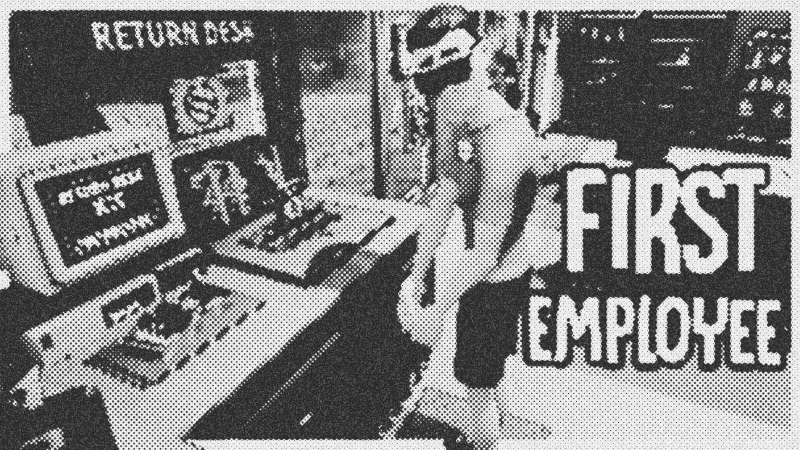
The most significant shift in operations occurs at Level 6, when the ability to hire staff finally unlocks. The break room holds the key to this transition: the staff book. Choosing the right help is a matter of balancing skills against cost. Among the applicants—Benjamin, Dominic, and Matthew—each brings different traits to the table. While Matthew is loyal and won't ask for a raise, his slow checkout speed is a dealbreaker. Ultimately, Benjamin gets the nod. His average skills are offset by a strong immune system, ensuring he won't be calling out sick during a busy weekend rush.
Bringing an employee onto the floor transforms the gameplay from a frantic solo scramble into a management simulation. Benjamin takes over the return station and the tedious task of restocking shelves. This liberation allows the owner to focus on high-level decisions, like visiting the back-alley tape dealer at 9:00 p.m. to procure rare adult titles that aren't available through standard distributors. The synergy of having a staff member handle the mundane "rewind and regret" cycle while the owner hunts for Holographic Tapes like Grandpa Purgatory marks the store's transition from a hobby to a legitimate enterprise.
Lessons from the Analog Frontier
As the sun sets on a Friday the 13th, the store feels different. It is no longer just a room full of boxes; it is a functioning ecosystem. The arrival of Waldo—appearing as a customer named Walter—and the frequent appearances of unique characters like the tattooed Marco suggest that this community is growing. The primary lesson learned through this journey is that growth requires delegation. You cannot be the person behind the counter, the person stocking the drama section, and the person handing out flyers all at once without burning out.
Reflecting on the progress, the move toward a $1,000 expansion feels attainable. The store now boasts specialized areas for horror, sci-fi, and action, even if the horror section is currently overflowing with cheap bundles. By investing in staff and optimizing floor space, the path forward is clear. The analog era was defined by physical presence and the tactile joy of browsing a shelf. In this virtual space, we aren't just selling movies; we are curating an experience that rewards curiosity and rewards those who remember to rewind.
- 90s Video Rental Store
- 7%· products
- Action Movies
- 7%· products
- Benjamin
- 7%· people
- Blockbuster
- 7%· companies
- Blue Slurpee
- 7%· products
- Other topics
- 67%
I Hired My First Employee at My 90s Video Store
WatchDrae // 35:23

Hey, I'm Drae I'm an Indie-focused gaming channel that produces at least one new video every day and I have been doing so for over a decade. I don't stick to one game or genre so if a flavor is your spice of life, you came to the right place! =========================================== Find More About Me At www.draegast.com ========================================== Sponsorship Requests: [email protected] Other Inquiries: [email protected]