Drae wins 11,000 tickets to buy Islandville Mall for 600 dollars
The morning sun breaks over the digital horizon of The Coin Game, casting long shadows over the modest suburban home where Drae begins another day of high-stakes survival. This isn't just about avoiding starvation or keeping Grandma out of the corners; it's about the relentless pursuit of ticket-based wealth. With a wallet already padded from previous victories, the goal for this session is nothing short of commercial dominance. The pride of owning Larry's Arcade is merely the foundation for a larger empire. The air in the virtual living room feels thick with anticipation, punctuated only by the mindless drone of the weather channel and the occasional scuffle of a rubber duck.
Stepping out into the crisp morning air, the first stop is the local gas station—a hub of suspicious activity where crowds gather without cars, and scratch-off tickets promise a quick path to glory. The initial gambit is a "Hot Fire" ticket, a gamble that proves more cold than hot, yielding a string of five losers before a solitary winner breaks the streak. It’s a reminder that in this world, luck is a fickle companion. But the real action lies ahead, through the doors of the arcade, where the mechanical symphony of sirens, bells, and clattering plastic tokens awaits. The objective is clear: harvest enough tickets to claim the legendary basketball headphones and, eventually, expand a growing property portfolio.
Mechanical Precision at the Hockey Hut
Efficiency is the hallmark of any successful gambler, and the Hockey Hut provides a masterclass in repeatable profit. While other machines offer the flash of randomized jackpots, the hockey machine demands a rhythmic, almost meditative timing. Each shot is a calculation of physics and anticipation. By targeting the 500-ticket slots with surgical precision, the ticket counter begins a rapid, staccato climb. There is a specific thrill in watching the letters H-O-C-K-E-Y light up one by one, a digital affirmation of skill that culminates in a massive 2,000-ticket payout. This isn't just gaming; it's a systematic extraction of value.
Even as the ticket rolls thicken, the dangers of the survival mode loom. Starvation and exhaustion are the silent predators of the arcade floor. A quick pivot to the Mega Drop proves that even a master can find himself at the mercy of the machine. The jackpot, sitting temptingly at over 400 tickets, frequently slips through the fingers, yet the consistent accumulation of smaller wins keeps the momentum alive. The beauty of this ecosystem lies in its accessibility; even a failed attempt at a jackpot yields enough tickets to keep the dream of the Islandville Mall within reach. It is a grind, but a colorful, neon-lit grind that feels more like a privilege than a chore.
Splashes and Scraps in the Open World
Expansion requires more than just arcade dominance; it requires a thorough exploration of the surrounding environment. The Water Park stands as a monument to the game’s eccentricities—a place where one can ride a bicycle through a wave pool while simultaneously contemplating the physics of digital drowning. While the lazy river offers no financial return, the detour provides a necessary psychological break. It is a moment of pure, unadulterated absurdity, leading the pack of robotic swimmers while the bike tires churn through the virtual water. The park may be wet, but the real treasure is often found in the most overlooked places: the dumpsters.
Dumpster diving in the world of the coin game is a high-reward endeavor for the uninhibited. Sifting through the trash at the Islandville Waste Limited dumpster yields more than just discarded jolts of energy; it provides $25 scratch-off tickets that can turn a mediocre day into a triumph. The tension of scratching away at a digital card, searching for the elusive symbols while avoiding the dreaded "nuns," is a visceral experience. Each win, no matter how small, is a brick in the wall of a growing empire, funding the next step toward the ultimate goal of commercial acquisition.
The Carnival of High Stakes and Plush Rewards
The Carnival represents the pinnacle of the day's financial strategy. Here, the prizes aren't just plastic baubles; they are high-demand commodities that can be flipped for substantial profit at the pawn shop. The strategy shifts from ticket accumulation to physical asset management. Winning Teddy Bear and Snow Cone becomes the priority, as these items are currently commanding premium prices on the market. The wiener dog races, in particular, prove to be a gold mine of "natural" flavored rewards, despite the best efforts of robotic competitors to sabotage the run.
Mastering the carnival games requires a different set of skills—the ability to aim a water gun with pinpoint accuracy and the patience to navigate the erratic physics of the balloon pop. Each victory fills the inventory with plush bears and sugary treats. The logistical challenge then becomes one of transport. The humble bicycle serves as a mobile storage unit, ferrying a small fortune in teddy bears toward the pawn shop. This is the sweating-it-out phase of the operation, where every dollar counts and every high-demand sale brings the total closer to the magic number required for the next big purchase.
Commercial Conquest and the Six Hundred Dollar Dream
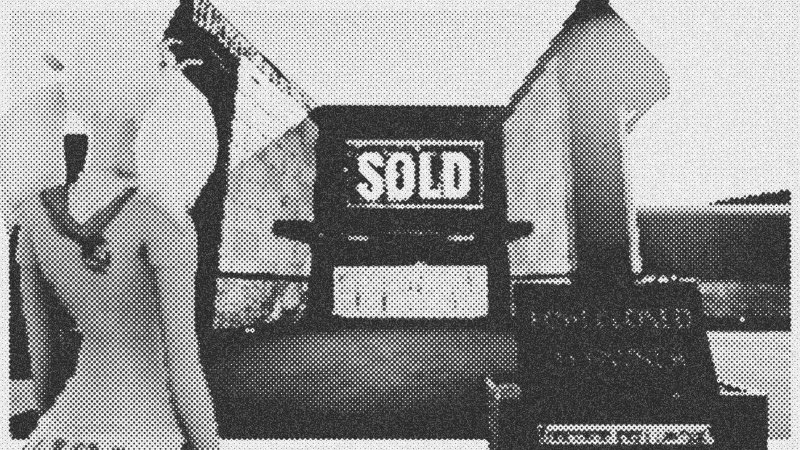
The climax of this odyssey arrives at the ATM, where the cumulative earnings of arcade precision, dumpster diving, and carnival flipping are finally tallied. The target is $600—a sum that feels like a king's ransom in a world of 50-cent plays. With the transaction confirmed, the Islandville Mall is no longer a distant landmark; it is a personal asset. This acquisition marks a paradigm shift in the game's progression. The mall isn't just a place to play more games; it's a symbol of survival turned into success. The doors swing open not just for a customer, but for the owner.
Walking through the newly opened mall feels different. The fountains, the food court, and the various storefronts are now under new management. From the "Spencers" clones filled with neon skulls and retro lamps to the Sneakerbot outlets, the space is a playground for the wealthy. The ultimate test of the new owner’s skill takes place at the Payload machine, where a first-shot jackpot of 545 tickets serves as a victory lap. The day ends not in the grim survival of the morning, but in the triumphant consumption of vegan-unfriendly popcorn and the glow of a movie screen, with the daily revenue now reaching a comfortable $125.
Lessons From the Neon Frontier
Reflecting on this journey, the lesson is clear: in a world governed by realistic physics and robotic grandmothers, consistency and diversification are the keys to the kingdom. One cannot rely solely on the big spin or the lucky scratch-off. Success is built on the foundation of the $1 hockey play and the willingness to check every dumpster for a discarded advantage. It’s about understanding the market—knowing when a pink snow cone is a liability and when a natural one is a windfall. The transition from arcade player to mall owner is a testament to the power of the grind.
As the neon lights of the mall begin to dim and the looming threat of Grandma’s curfew draws near, the transformation of this digital existence is undeniable. The struggle for vitals has been replaced by the management of assets. The Lambo, once a distant fantasy, now feels like an inevitable milestone on the horizon. The coin game is more than a simulation of gambling; it is a simulation of the persistent human drive to turn a handful of tickets into an empire, one mechanical prize at a time.
- Islandville Mall
- 14%· places
- Carnival
- 7%· places
- Drae
- 7%· people
- Hockey Hut
- 7%· places
- Islandville Waste Limited
- 7%· companies
- Other topics
- 57%
I Bought a Mall With My Arcade Winnings
WatchDrae // 1:03:41

Hey, I'm Drae I'm an Indie-focused gaming channel that produces at least one new video every day and I have been doing so for over a decade. I don't stick to one game or genre so if a flavor is your spice of life, you came to the right place! =========================================== Find More About Me At www.draegast.com ========================================== Sponsorship Requests: [email protected] Other Inquiries: [email protected]