Soil, Sweat, and Strategy: High-Stakes Resource Management in Farming Simulator 25
Overview of the Competitive Landscape
In the latest high-stakes engagement of the Farming Simulator 25 competitive series, the tactical landscape has shifted from basic survival to optimized resource allocation. This scenario centers on the mid-autumn crunch, a critical phase where every decision regarding soil health directly dictates next season's yield. The player faces a multi-front logistical challenge: managing a cash-strapped operation while simultaneously needing to invest in heavy machinery to combat soil degradation and weed infestation. The environment, specifically the The Pichonnière Valley, demands a rigorous adherence to precision farming metrics, turning every acre into a calculated gamble of nitrogen levels and pH balances.
Key Strategic Decisions and Asset Liquidation
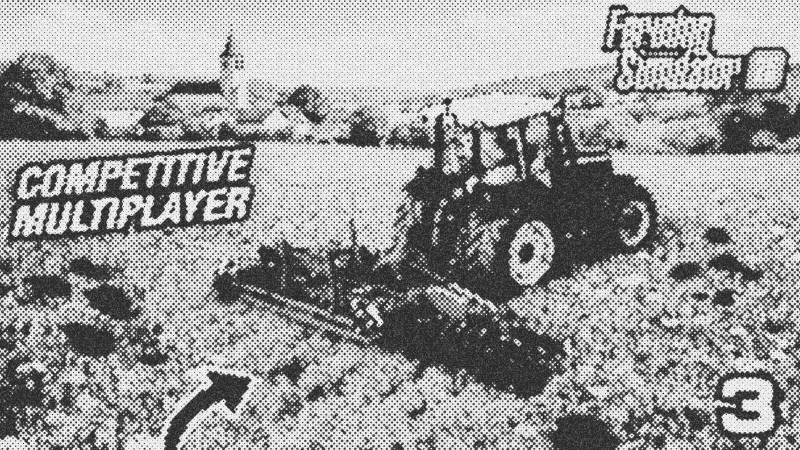
The most significant tactical move involves the aggressive liquidation of timber to bridge the capital gap. By processing a massive log at the sawmill, the player generated £6,546, a vital injection of liquidity that allowed for the pivot from manual labor to mechanized efficiency. This move demonstrates a keen understanding of non-agricultural income streams to fund primary agricultural goals. Furthermore, the decision to hold onto grain harvests—specifically Spelt and Triticale—until the December price peak represents a long-game strategy. While the opponent, Chainsaw100, opted for early liquidation to secure high-tier equipment like rollers and large spreaders, the player bet on market fluctuations to maximize future ROI. This is a classic "patience vs. pace" strategic dichotomy often seen in professional simulation play.
Performance Breakdown: Precision and Implementation
The execution of Precision Farming techniques stands as the backbone of this operation. The player utilized soil sampling to identify a high-quality loam patch in Field 93, achieving a 93% score. This data-driven approach allowed for a calibrated application of 370 kg of fertilizer per hectare, ensuring no waste of expensive inputs. The tactical selection of the Ozdoken RC 950 was a masterstroke of budgeting. By choosing a 6-meter hoe over narrower, cheaper weeders, the player maximized field coverage efficiency. The dual-purpose nature of the Ozdoken—serving both as a mechanical weeder for medium growth and as a heavy counterweight for future forestry work—showcases high-level asset utility optimization.
Critical Moments and Impact of External Variables
A pivotal moment occurred during the "de-blobbing" phase of fertilization. Small misses in field coverage can lead to significant yield penalties under the precision farming ruleset. The player’s focus on completing the headlands and cleaning up remaining "blobs" on the live fertilizer map ensured a 100% healthy status across the holdings. Additionally, the discovery of local fertilizing contracts provided a much-needed financial buffer. By leveraging existing fertilizer stocks to complete neighboring tasks, the player turned a potential overhead cost into a profit center, netting over £1,700 in contract bonuses. This opportunistic play mitigated the cost of the newly acquired Unia spreader and secured the operational budget for the winter months.
Future Implications and Competitive Learnings
The long-term outlook hinges on the December market surge. If the price of spelt hits the projected highs, the player will leapfrog the opponent in liquid capital, potentially enabling the purchase of Field 120 or a specialized yard with silo capacity. The tactical learning here is clear: in competitive Farming Simulator, early-game dominance through flashy equipment is often less sustainable than a data-heavy, patient approach focused on soil health and market timing. The move toward acquiring a secondary yard suggests a shift toward decentralized logistics, which will be essential as the farm scales beyond its initial three-field footprint. The next phase will likely involve aggressive expansion, testing whether the player's lean-operating model can withstand the overhead of a larger estate.
- Chainsaw100
- 10%· people
- Farming Simulator
- 10%· games
- Farming Simulator 25
- 10%· games
- Ozdoken
- 10%· companies
- Ozdoken RC 950
- 10%· products
- Other topics
- 50%
GIVING MY FARM THE ULTIMATE BOOST! - Farming Simulator 25 - Competitive MP | Episode 3
WatchDaggerwin // 31:03

Farming Simulator, Euro Truck Simulator and various other let's plays. Slow-paced and realistic gameplay...usually! With dry humour! My NEW PC Spec Alienware R16 Processor - Intel(R) Core(TM) 14th Gen i9 14900KF (24-Core, 68MB Cache, 2.4GHz to 6.0GHz Thermal Velocity Boost) Operating System - Windows 11 Pro, English Graphics - NVIDIA(R) GeForce RTX(TM) 4090, 24GB GDDR6X Memory - 64GB, 2x32GB, DDR5, 5200MHz Storage 2 x 4TB M.2 PCIe SSD PSU - 1000W Platinum Rated 240mm Liquid-Cooled CPU Please note: The email address provided below is for business enquiries only. If you wish to comment, moan or congratulate please use the YouTube messaging system. Thanks :)