The Invisible Ink Revolution: Hybrid Stop-Motion Mastery
The Evolution of the Tactile Frame
Stop-motion has always been defined by its limitations. From the jittery charm of Ray Harryhausen to the monumental physical labor of The Nightmare Before Christmas, filmmakers have historically relied on swapping physical assets. If a character needed to speak, an animator manually replaced the entire jaw or head for every single frame. This process, while iconic, creates a rigid aesthetic that limits the subtlety of facial expressions. Modern innovators are now shattering these constraints by merging physical puppetry with digital fluidity.
The Invisible Marker Technique
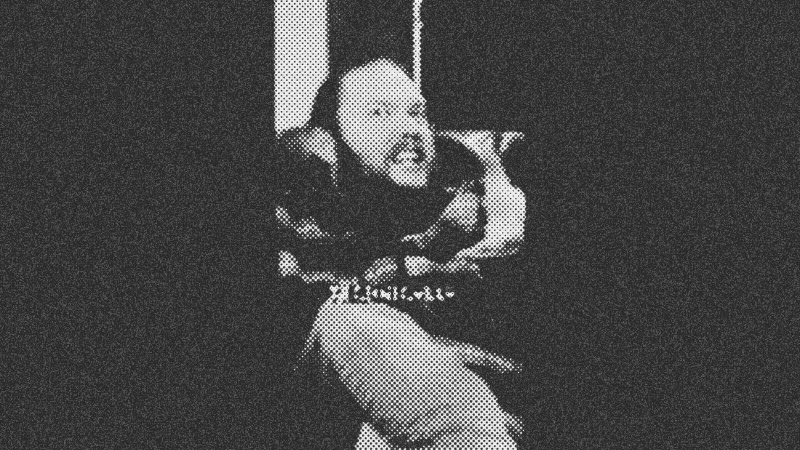
Directors Chris Lavis and Maciek Szczerbowski utilize a groundbreaking workflow in their film The Girl Who Cried Pearls. They employ invisible ink to apply tracking markers directly onto the puppet's face. This allows the production to capture two versions of every frame: one clean, unadulterated shot for the final image, and one hit with specialized lighting to reveal the tracking data. This dual-capture method provides a flawless map of the puppet's movement without the visual clutter of traditional physical markers.
Digital Blend Shapes on Physical Armatures
Once the tracking data is locked, the technical artistry shifts to 3D software. Animators apply blend shapes to the tracked footage, essentially layering a digital skin over the physical puppet. This allows for mouth and eye movements that would be impossible to sculpt or swap manually. The eyes don't just move; they react with a liquid realism that maintains the texture of the original puppet while gaining the expressive range of high-end CGI.
A New Paradigm for Visual Storytelling
This hybrid approach, pioneered by studios like Swaybox Studios, represents a major shift in production efficiency. By removing the need to 3D print thousands of individual faces, filmmakers can focus on the performance rather than the logistics of asset management. It preserves the soulful, hand-crafted feel of stop-motion while removing the technical barriers that have long restricted the medium's emotional depth.
- Blend shapes
- 13%· visual effects
- CGI
- 13%· visual effects
- Chris Lavis
- 13%· people
- Maciek Szczerbowski
- 13%· people
- Stop-motion
- 13%· visual effects
- Other topics
- 38%
Stop-motion REINVENTED
WatchCorridor Crew // 1:09
